
Solution: Pet feed
Jan 30,2026


Z-Type Elevator Conveying Solution for the Pet Feed Industry
Pet feed (pet food) typically consists mainly of extruded pellets, along with powdered ingredients, oil-sprayed pellets, freeze-dried meat chunks, and other forms. The material characteristics impose stringent requirements on conveying equipment, including low breakage, resistance to grease adhesion, easy cleaning, and zero residue. Thanks to its fully enclosed design, low-breakage construction, multi-point discharge capability, and anti-adhesive, easy-to-clean features, the Z-type bucket elevator is an ideal choice for vertical conveying in pet-feed production lines.
I. Material Characteristics and Conveying Challenges of Pet Feed
| Material Type | Characteristics | Conveying Challenges |
|----------|------|----------|
| **Puffed Granules** | Porous and loose, with high brittleness | Prone to breakage, generating fine powder that affects the appearance and texture of the finished product |
| **Particles after grease spraying** | Surface is oily and slightly sticky | Easily adheres to the hopper walls, leading to residue and risk of mold growth |
| **Powdered Raw Materials** | Variable particle size; prone to dust generation | Dust leakage contaminates the workshop and increases material loss |
| **Multiple Formulation Switching** | Frequent Product Variety Changes | Requires Equipment That Is Easy to Clean Thoroughly to Prevent Cross-Contamination |
Traditional bucket elevators and belt conveyors often encounter issues such as **pellet breakage, oil adhesion and caking, dust spillage, and difficulty in cleaning** when conveying pet feed, which adversely affect product quality and production efficiency.
II. Z-Type Elevator Solution
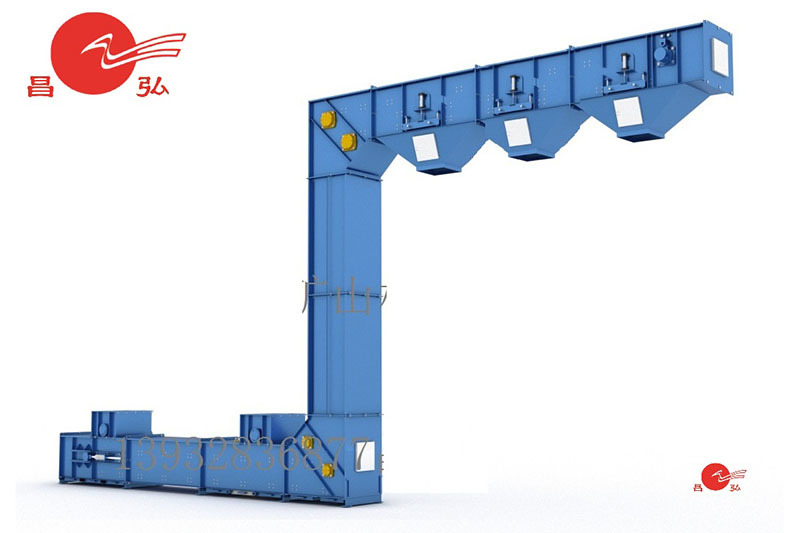
The Z-type elevator features a Z-shaped trajectory—horizontal feeding, vertical lifting, and horizontal discharge—along with a fully enclosed casing and smooth hopper operation. It can be equipped with multi-point discharge options and anti-adhesive coatings, making it ideally suited for pet feed conveying applications.
1. Low-damage conveying to protect particle integrity
- **Operating Principle**: While not discharging, the hopper is continuously held in an upright position by gravity, ensuring that the feed inlet remains facing upward without tipping or material spillage; it operates at a low, smooth speed (linear velocity of 0.1–0.3 m/s), minimizing violent collisions between particles.
- **Actual Performance**: The breakage rate of extruded pet food can be controlled below **0.5%**, effectively reducing fine powder generation and maintaining uniform, aesthetically pleasing kibble.
- **Feeding Method**: Inflow feeding, where materials naturally slide into the hopper, thereby avoiding shear damage caused by conventional scoop-type feeding.
2. Anti-adhesion and Easy-Clean Design
- **Anti-Stick Coating**: The inner walls of the hopper can be coated with an anti-stick material, preventing grease-based materials from adhering and reducing residue by more than 80%.
- **Quick-Open Maintenance Doors**: The housing is equipped with multiple quick-opening doors that can be opened without tools, facilitating routine inspections and flushing.
-3. Fully enclosed conveying to suppress dust and prevent pollution
- The entire machine features a welded, sealed housing with food-grade sealing strips installed at all joints, ensuring **no dust leakage** during the conveying process and maintaining a clean workshop environment.
- Simultaneously prevents external pests and dust from entering the conveyor system, ensuring the hygienic safety of pet feed.
- Configurable dust-extraction interface for connection to a central dust-collection system, further reducing dust levels.
4. Multi-point discharge for flexible line integration
- Multiple discharge ports (2–10) are installed on the horizontal discharge section, each corresponding to equipment such as the packaging machine, cooler, spray coating machine, and finished-product storage bin.
- PLC-controlled selective material discharge: Based on level signals from downstream equipment, the system automatically discharges material to workstations requiring replenishment, enabling a single machine to serve multiple functions.
- Reduce the number of horizontal material-diverting belts and transfer points to lower equipment investment and dust-generating locations.
5. Material safety, compliant with food-grade standards
- The hopper can be optionally made of **food-grade ABS plastic** (lightweight and gentle on materials) or **stainless steel 304/316L** (corrosion-resistant and easy to clean).
- The sealing strip is made of 304 stainless steel.
- The entire machine complies with the hygiene certification requirements for equipment materials imposed by pet feed manufacturing enterprises.
6. Intelligent control and automated operation
- Employs PLC-based variable-frequency speed control and interlocks with the upstream mixer and downstream packaging machine to achieve continuous, balanced material conveyance.
- Integrated level sensor and anti-blocking switch; automatically reverses or triggers an alarm in the event of blockage.
- Supports remote monitoring and integration with the plant’s DCS system, reducing the need for manual intervention.
III. Selection Recommendations
| Configuration Item | Recommended Solution |
|--------|----------|
| Hopper Material | Standard pet food: food-grade ABS plastic; high-oil content or requiring water washing: 304 stainless steel |
| Casing Material | Stainless steel 304 or carbon steel with powder coating, thickness ≥ 3 mm,
| Anti-adhesion Measures | Coating
| Discharge Device | Independent Pneumatic Control of the Discharge Port |
| Control System | PLC + Variable Frequency Drive, Integrated Level and Anti-Blocking Sensors |
IV. Expected Outcomes
- **Breakage Rate**: ≤0.5%, ensuring the integrity of the puffed granules
- **Residue Rate**: Residual oil and fat content < 0.1%, with no dead corners for material accumulation.
- **Dust Concentration**: Dust levels in the workshop ≤ 1 mg/m³, compliant with environmental protection standards.
- **Cleaning Time**: Cleaning time is reduced by more than 50% when changing products.
- **Capacity Enhancement**: Continuous conveying combined with multi-point discharge boosts packaging line efficiency by 20–30%.
- **Maintenance Costs**: Modular design ensures easy replacement of wear parts, reducing annual maintenance costs by 30%.
Leveraging core technologies such as low-breakage conveying, anti-stick and easy-to-clean design, fully enclosed sealing, multi-point discharge, and food-grade materials, the Z-type elevator comprehensively addresses key pain points in pet feed handling, including particle breakage, oil and fat adhesion, dust leakage, and cleaning challenges. Whether handling extruded pellets, coated materials, or powdered ingredients, the Z-type elevator delivers an efficient, hygienic, and intelligent vertical conveying solution—making it the ideal choice for automating and upgrading pet feed production lines.
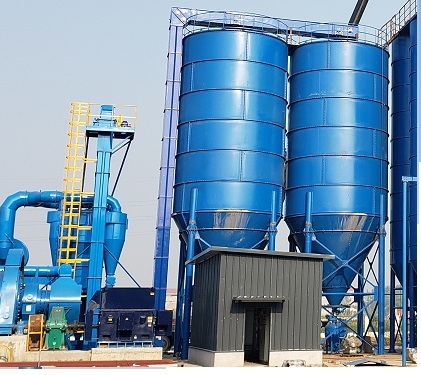
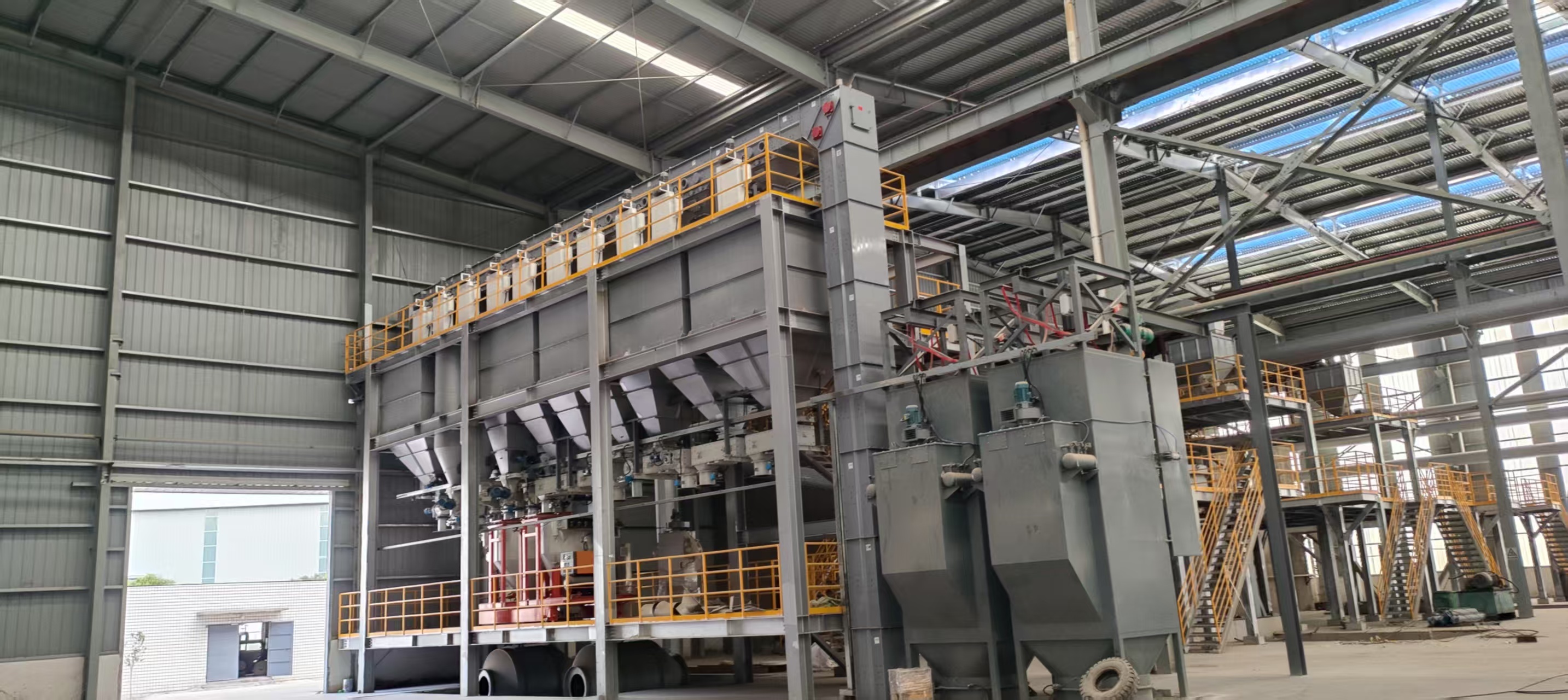
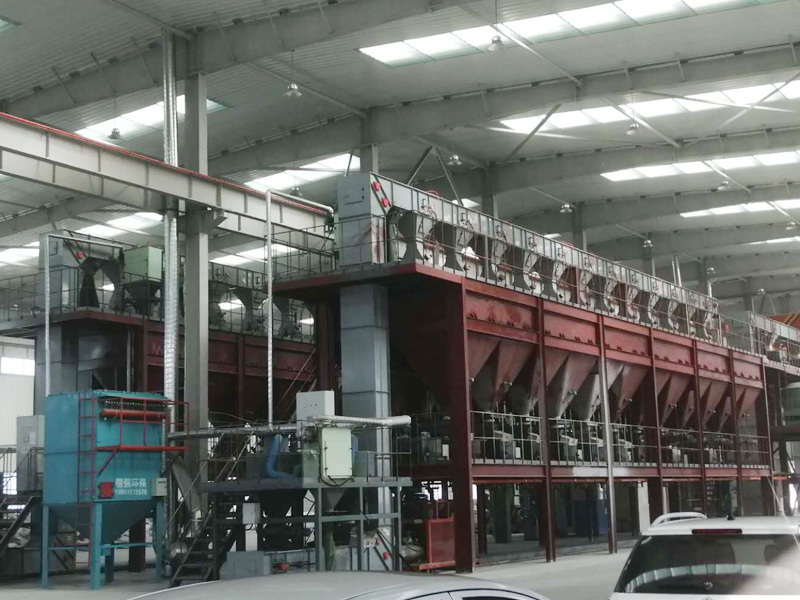
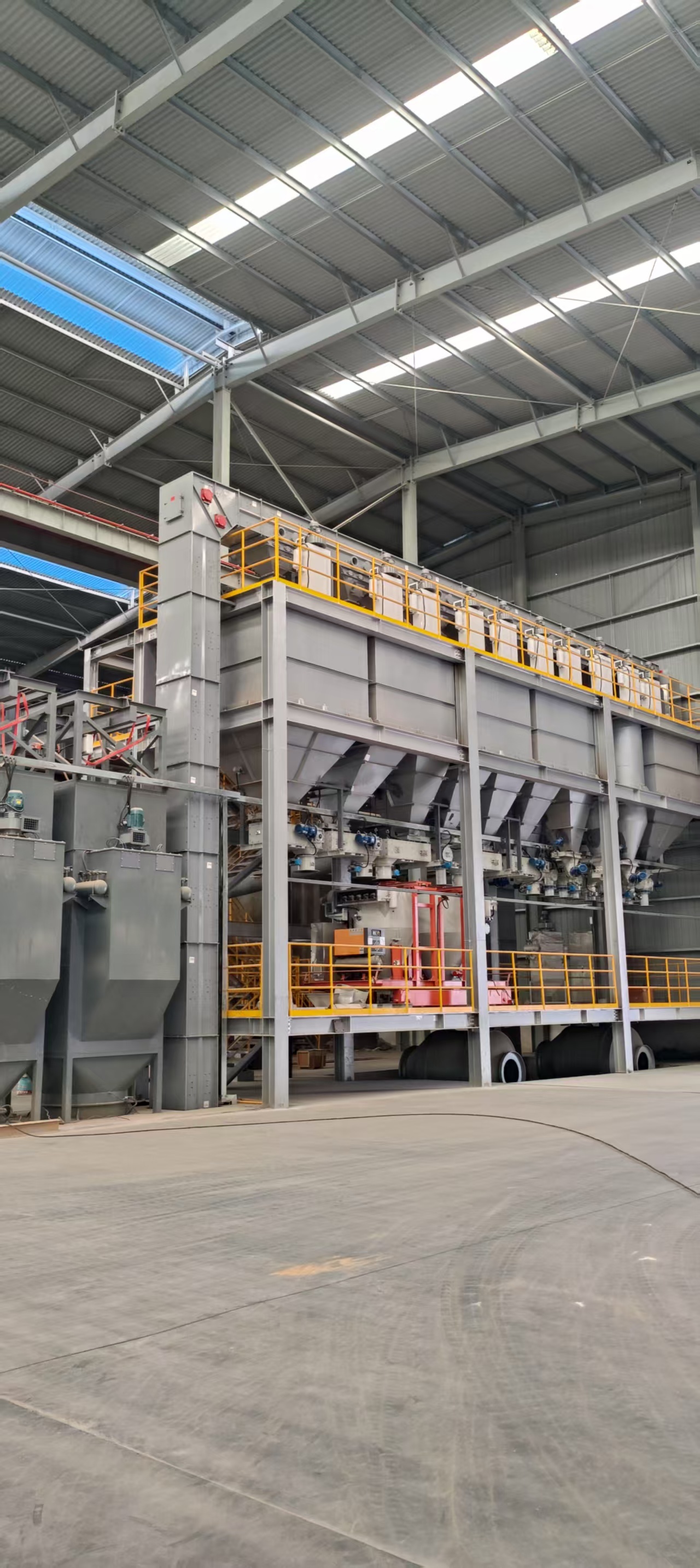
Relevant Cases

What are the selection criteria for Z-type bucket elevators?
Z-type elevator? Let’s learn more!
Is a Z-shaped elevator easy to use?
Why Choose a Non-Crushing Elevator? A Summary of Common Issues with Non-Crushing Elevators
Specializing in the manufacture of elevators for over 20 years.
Hengshui Changhong Mining Machinery Co., Ltd. has been specializing in the manufacture of hoists for over 20 years, integrating technological development, production and operation, and technical services into one. Drafting author of Changhong Z-type (vertical spiral bucket) elevator enterprise standards, patent-technologied manufacturer, reputable producer of mining machinery with superior quality and strength.
Contact Info
Contact: Manager Pang
Phone:8613932836877,8613315840327
Phone:0086-318-4869777
Fax:0086-318-4868277
Email:384023722@qq.com
Address: Mada Development Zone, Fucheng County, Hengshui City, Hebei Province