
13
2020/10
Z-type elevator? Let’s learn more!
With the advancement of the times and technological progress, new innovations are constantly emerging, and many mechanical products have gradually come into public view. Most of these products bring convenience to people’s work and daily life; however, many users are unsure how to choose among Z-type elevators of the same type but manufactured in different periods, nor are they aware of the precautions to take during operation. What exactly is a Z-type elevator? Let’s find out. Below, we will briefly outline the criteria for selecting a Z-type elevator and the key points to keep in mind during its use. Z-type elevators are now regarded as common lifting equipment; yet, because their selection is subject to numerous constraints, improper choices can lead to...
With the advancement of the times and technological progress, new innovations are constantly emerging, and many mechanical products are gradually coming into public view. While most of these products bring convenience to people’s work and daily life, many users still lack guidance on how to choose among Z-type elevators of the same type but manufactured in different periods, as well as on the key considerations during operation. What exactly is a Z-type elevator? Let’s find out. Below, we will briefly outline the criteria for selecting a Z-type elevator and the important points to keep in mind during its use.
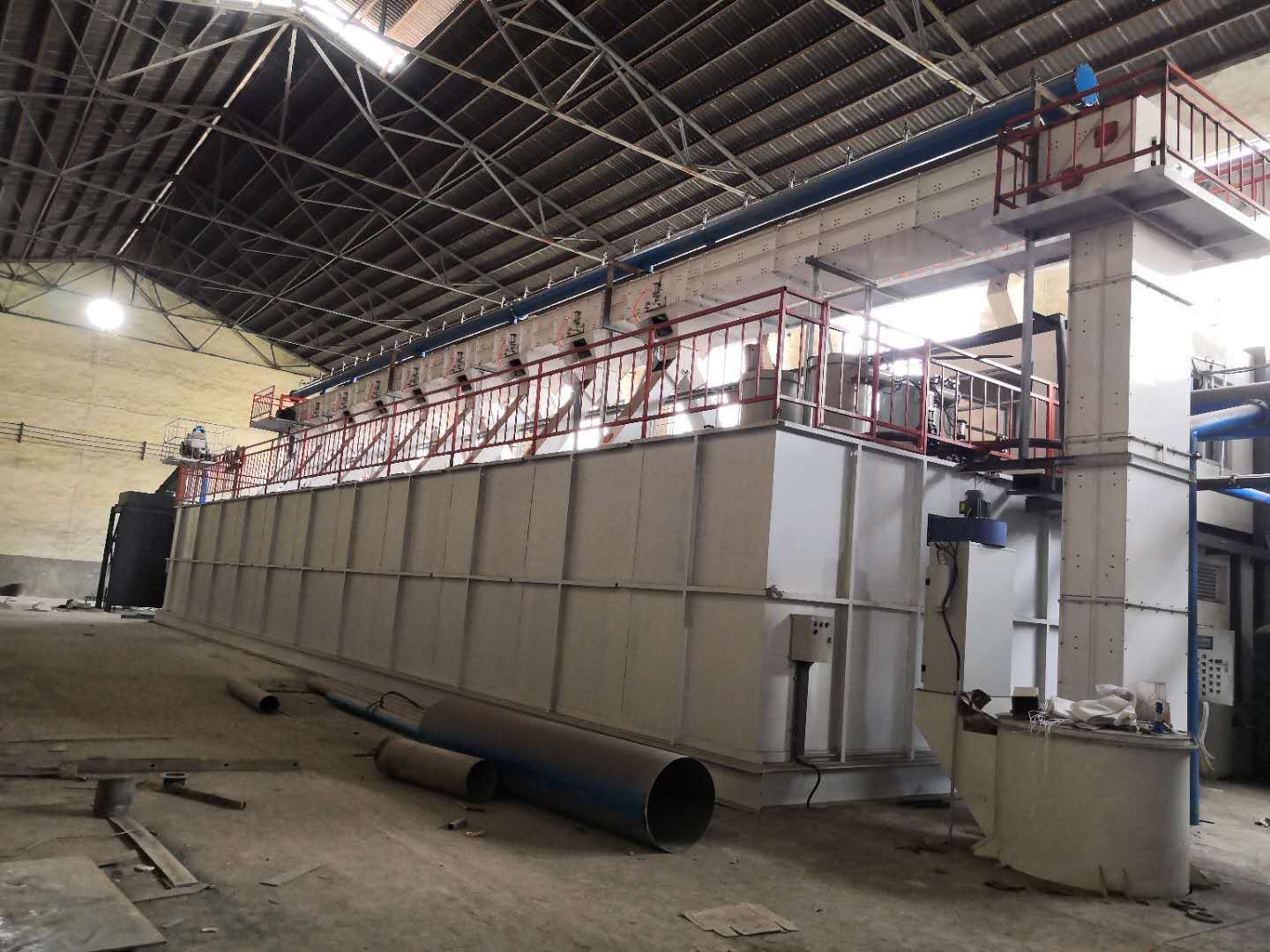
The Z-type bucket elevator is widely regarded as a common lifting device in modern applications; however, its selection is subject to numerous constraints. An improper choice can lead to significant operational problems, so careful consideration is essential. Key factors to evaluate include the physical form of the material—whether it is in small chunks, granules, or powder—as well as its intrinsic physical properties, such as whether it contains moisture, its viscosity and adhesiveness, and its bulk density. In general, standard Z-type bucket elevators are designed for materials with a bulk density of 1.6. The detailed selection process involves assessing the material’s bulk density, the drive configuration, the material’s characteristics and discharge method, the bucket design, and finally the elevator’s capacity. This process typically includes on-site surveys, comparative analysis, and reference to relevant standards before finalizing the appropriate model.
If the model selection for the Z-type bucket elevator is correct, there should be few complications; the only requirement is to conduct regular professional inspections and ensure that the temperature of the conveyed material does not exceed 250°C. Therefore, major issues are unlikely to arise.
In addition, Z-type elevators tend to generate abnormal noise during material lifting and conveying, primarily originating from the chain, drive sprocket, and bearings. Based on experience and technical analysis, the main causes are as follows:
1. The chain is too long, causing it to idle and produce abnormal noise;
2. Friction between the bottom plate and the chain or hopper;
3. The material inlet angle is incorrect, resulting in friction between the material and the chain and hopper;
4. Long-term maintenance and replacement of bearings have resulted in damage;
5. Foreign objects inside the bucket elevator base cause noise during operation;
6. Gear wear, resulting in malfunction;
7. Loosening of the drive wheel causes the sprocket to shift;
8. The chain of the bucket elevator is misaligned, resulting in collisions between the links.
The occurrence of abnormal noise is also an indication that the Z-type bucket elevator requires maintenance and servicing. When operating a Z-type bucket elevator, perform timely inspections to ensure proper operation. It is advisable to seek assistance from qualified professionals.

Specializing in the manufacture of elevators for over 20 years.
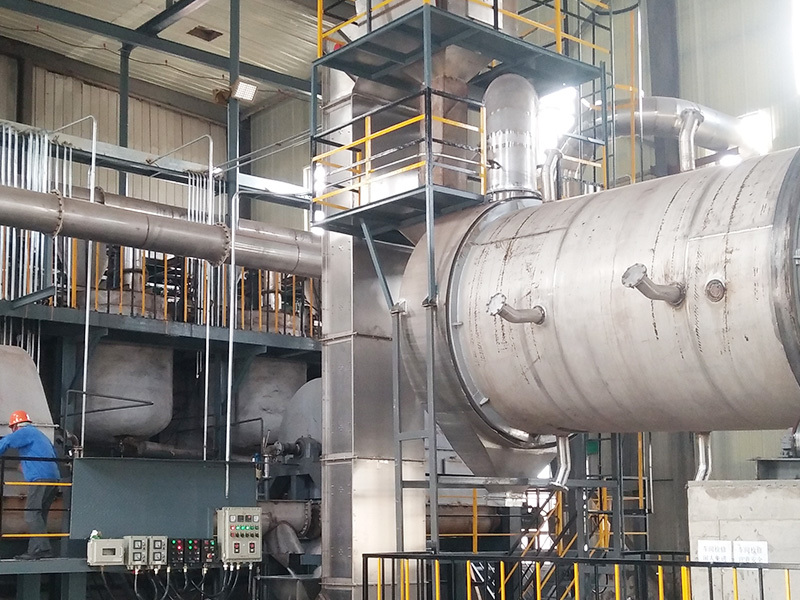
Hengshui Changhong Mining Machinery Co., Ltd. has been specializing in the manufacture of hoists for over 20 years, integrating technological development, production and operation, and technical services into one. Drafting author of Changhong Z-type (vertical spiral bucket) elevator enterprise standards, patent-technologied manufacturer, reputable producer of mining machinery with superior quality and strength.
Contact Info
Contact: Manager Pang
Phone:8613932836877,8613315840327
Phone:0086-318-4869777
Fax:0086-318-4868277
Email:384023722@qq.com
Address: Mada Development Zone, Fucheng County, Hengshui City, Hebei Province


