
04
2020/10
Why Choose a Non-Crushing Elevator? A Summary of Common Issues with Non-Crushing Elevators
I. Why are there no bucket-type, non-crushing bucket elevators? Belt conveyors are typically chosen as the drive mechanism because manufacturers opt for continuous, non-crushing bucket elevators. However, we know that belt conveyors perform poorly when it comes to lifting products. Before the product begins to roll off the belt, the conveyor can only be inclined by 15 or 16 degrees at most. Therefore, when manufacturers need to upgrade their conveying systems, they must either use long conveyor belts that occupy a large amount of floor space—resulting in poor cost-effectiveness—or install some type of lifting equipment, such as a non-crushing elevator.
I. Why are there no bucket-type, non-crushing bucket elevators?
Belt conveyors are typically the preferred choice for material handling because manufacturers often opt for continuous bucket-type, non-crushing elevators. However, belt conveyors have limitations when it comes to lifting materials: they can only handle inclines of about 15 to 16 degrees before the material begins to roll off the belt. Consequently, when manufacturers need to upgrade their conveying systems, they must either deploy long conveyor belts that occupy substantial floor space—resulting in poor cost-effectiveness—or install specialized lifting equipment, such as non-crushing elevators.
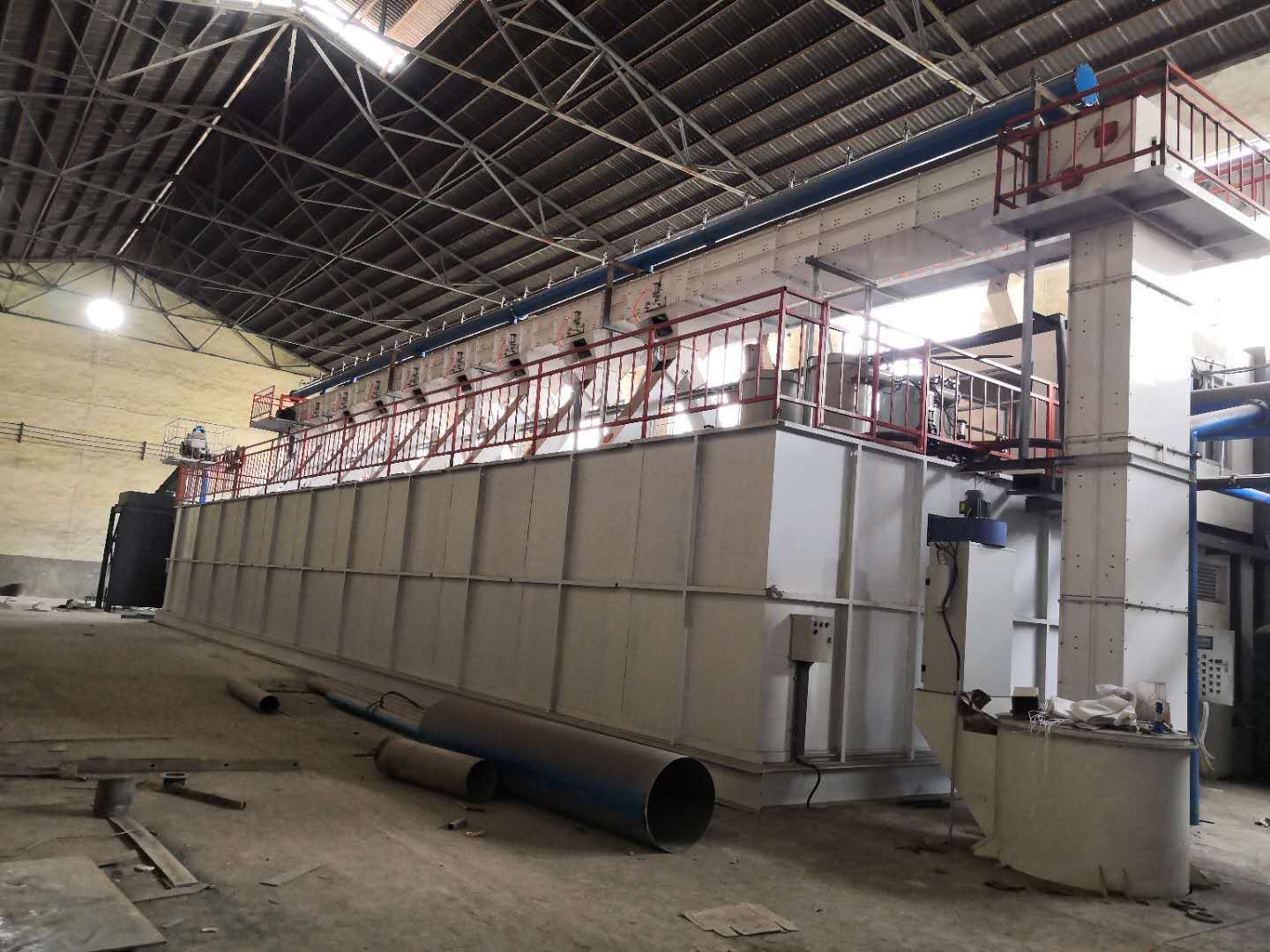
Bucket-type non-crushing elevators come in two types: centrifugal and continuous. Centrifugal elevators are typically used to convey grains and other fragile materials weighing no more than 50 pounds per square foot. In this type of elevator, the buckets scoop up a pile of grain and then fling it to the top of the elevator.
In continuous, non-excavation material handling, the material is conveyed to a bucket elevator, where, under the influence of gravity, it typically enters buckets connected to a conveyor belt. The buckets lift the product and then discharge it by gravity to the bottom of the elevator.
II. Issues with Bucket-Type Non-Crushing Elevators
1. Maintenance
As mentioned above, bucket-type non-crushing elevators present numerous challenges. In short, they can be a maintenance nightmare: their complex design, reliance on maintenance-intensive electric motors, and associated energy costs all contribute to higher operational expenses. Moreover, the sheer number of gears and components that require monitoring and replacement further compounds these issues.
Manufacturers that use bucket-type, non-crushing elevators rely on plastic buckets secured to rubber belts with bolts. During material collection and lifting, these bolts are subjected to substantial forces. If the bolts begin to fail and are not maintained promptly, the buckets can tear the belt, resulting in extensive damage and significant downtime.
2. Chaos
Another minor issue is belt tracking. If the belt deviates even slightly from its intended path, the belt and the buckets may begin to wear prematurely. As the belt wears, it loses structural integrity; the buckets become worn through and can no longer properly contain the material. This results in unnecessary material spilling onto the floor beneath the elevator, where it remains unbroken, forcing the manufacturer to either discard the buckets or manually return them to the system.
3. Materials
Material jamming is one of the common problems encountered in bucket-type, non-crushing elevators. Moving product can become locked together or stuck against the equipment frame, necessitating a shutdown of the production line, opening of the elevator, and removal of the jammed material before production can resume. Material jamming can also occur when material accumulates on the elevator’s casing or hopper and obstructs the cutting mechanism.

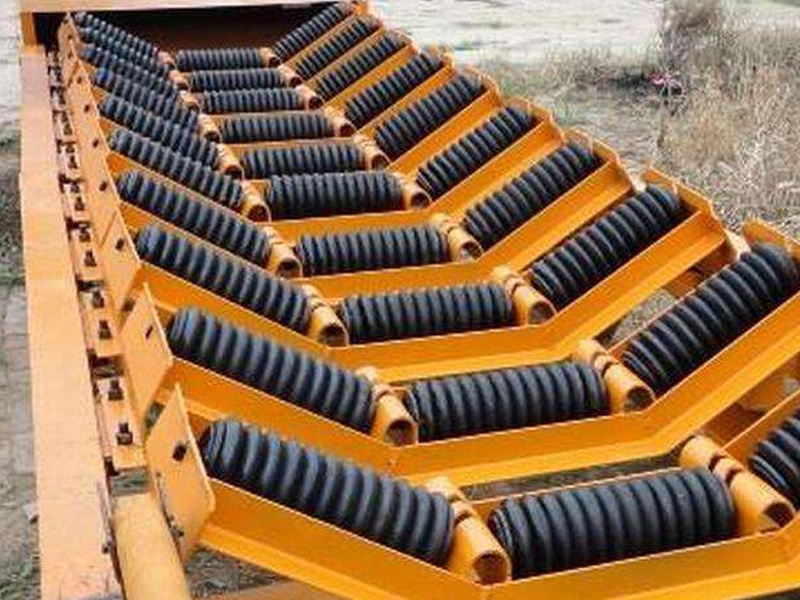
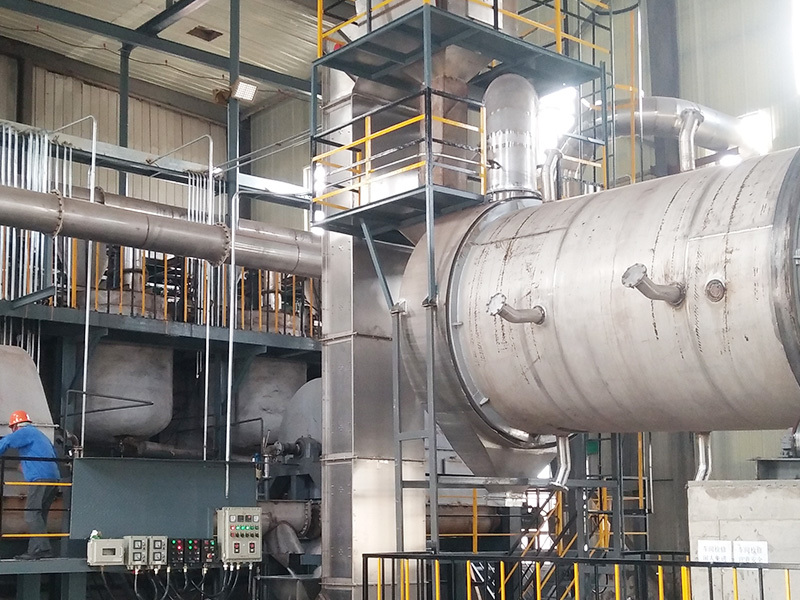
Specializing in the manufacture of elevators for over 20 years.
Hengshui Changhong Mining Machinery Co., Ltd. has been specializing in the manufacture of hoists for over 20 years, integrating technological development, production and operation, and technical services into one. Drafting author of Changhong Z-type (vertical spiral bucket) elevator enterprise standards, patent-technologied manufacturer, reputable producer of mining machinery with superior quality and strength.
Contact Info
Contact: Manager Pang
Phone:8613932836877,8613315840327
Phone:0086-318-4869777
Fax:0086-318-4868277
Email:384023722@qq.com
Address: Mada Development Zone, Fucheng County, Hengshui City, Hebei Province


