
07
2020/10
Do you know how to maintain a non-breakage elevator?
Non-crushing elevators are widely used in many industries today; they employ chains to convey materials. These machines play a crucial role in material handling. How much do you know about non-crushing elevators? Do you know how to properly maintain one? Let’s find out together!
Non-crushing elevators are widely used in many industries today; they employ chains to convey materials. These machines play a crucial role in material handling. How much do you know about non-crushing elevators? Do you know how to properly maintain one? Let’s find out together!
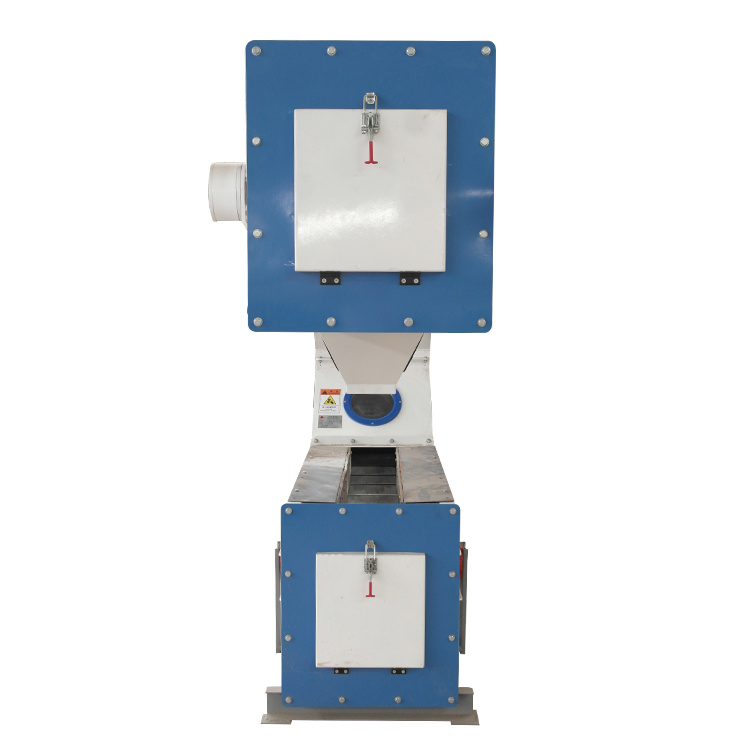
First, let’s examine the operating principle of a non-breakage bucket elevator: the buckets draw material from the hopper below and, together with the conveyor belt or chain, lift it upward. After passing over the idler and drive pulleys, the buckets flip downward, discharging the material into the receiving trough. In geared bucket elevators, the drive belt is typically made of rubber and is mounted on either the lower or upper drive drum as well as the upper or lower tension drum.
Chain-driven bucket elevators typically feature two parallel drive chains, with a pair of drive sprockets located either at the top or the bottom and a corresponding pair of idler sprockets at the opposite end. Bucket elevators are usually equipped with an enclosure to prevent dust from being entrained during operation.
Proper and safe operation of the non-crushing bucket elevator can prevent malfunctions during use and, through regular maintenance, ensure its normal operation. Therefore, the following maintenance procedures should be carried out on the equipment:
(1) Conduct regular lubrication management by applying lubricant to the drive chain and all bearings in the transmission assembly of undamaged lifts, thereby reducing wear on all components and extending the service life of the undamaged lifts.
(2) Regularly remove accumulated materials and debris from the tail end of the non-breakage elevator to keep it clean and prevent material compression. During material handling, it is inevitable that materials will accumulate in various parts of the non-breakage elevator. In such cases, it is essential to promptly clean up these materials; failure to do so will result in the buildup of materials over time, which not only impairs the normal operation of the non-breakage elevator but also leads to corrosion of its components and subsequent damage.
(3) Regularly inspect the oil level in the reducer; for reducers in continuous operation, pay particular attention to scheduled oil changes. If the operating temperature rises by more than 60°C or the oil temperature exceeds 85°C, the lubricating oil must be replaced before further use. Prolonged failure to change the oil can lead to oil degradation or a significant reduction in performance, thereby adversely affecting the normal operation of the non-rupturing lift.
( 4) Regularly adjust the tension of the drive chains to ensure that both chains maintain consistent tension, thereby improving machine efficiency.
The above outlines the maintenance procedures for a non-crushing elevator, which will help extend its service life and ensure optimal performance.

Specializing in the manufacture of elevators for over 20 years.
Hengshui Changhong Mining Machinery Co., Ltd. has been specializing in the manufacture of hoists for over 20 years, integrating technological development, production and operation, and technical services into one. Drafting author of Changhong Z-type (vertical spiral bucket) elevator enterprise standards, patent-technologied manufacturer, reputable producer of mining machinery with superior quality and strength.
Contact Info
Contact: Manager Pang
Phone:8613932836877,8613315840327
Phone:0086-318-4869777
Fax:0086-318-4868277
Email:384023722@qq.com
Address: Mada Development Zone, Fucheng County, Hengshui City, Hebei Province


