
Solution: Grain transportation
Jan 14,2026


In the field of modern agricultural logistics, grain conveyors play a crucial role. How to enhance the efficiency of grain conveyors and ensure the smooth transportation of grains has become a major focus within the industry. This article will provide you with a detailed analysis of comprehensive solutions for improving the efficiency of grain conveyors.
I. Current Situation Analysis
Currently, grain conveyors face a variety of challenges during operation, such as insufficient conveying capacity, high energy consumption, and a tendency to cause damage. These issues not only affect the efficiency of grain transportation but may also lead to the wastage of grain resources.
II. Solution
1. Technological Upgrades and Innovation
To address the existing issues, the primary measure is to upgrade and innovate the technology of grain conveyors. For example, by adopting advanced intelligent control systems, we can achieve automated operation of the conveyors, thereby reducing human-operated errors. At the same time, optimizing the material and design of the conveyor belts will help lower the rate of grain damage during transportation.
2. Strengthen maintenance and upkeep
Regular maintenance and upkeep of grain conveyors are key to improving efficiency. Regularly inspect the conveyor’s operating condition and promptly replace worn parts to ensure stable operation. In addition, perform regular cleaning of the conveyor to prevent grain residues from causing blockages or corrosion.
3. Train operators
Improving the skill level of operators is also an important measure for enhancing the efficiency of grain conveyors. Regular training sessions for operators ensure that they are familiar with the operation and maintenance procedures of the conveyor, enabling them to operate it proficiently and handle common malfunctions effectively.
4. Optimize the delivery process
Optimizing the grain transportation process and reducing unnecessary steps and time consumption is also an effective way to enhance efficiency. Based on the characteristics of the grain and its transportation requirements, it’s important to rationally plan the transportation routes and speeds to ensure smooth grain delivery.
III. Implementation Results
By implementing the solutions described above, we can effectively enhance the efficiency of grain conveyors, reduce grain damage and waste, and lower labor costs through the application of intelligent control systems, thereby boosting overall economic benefits. Moreover, the improved skills of operators ensure stable equipment operation and significantly reduce the likelihood of malfunctions. The optimized conveyor process now better meets actual operational needs, enhancing both the efficiency and accuracy of grain transportation.
In summary, by implementing measures such as technological upgrades, maintenance and upkeep, staff training, and process optimization, we can effectively enhance the efficiency of grain conveyors and provide strong support for the development of modern agricultural logistics.
Relevant Cases
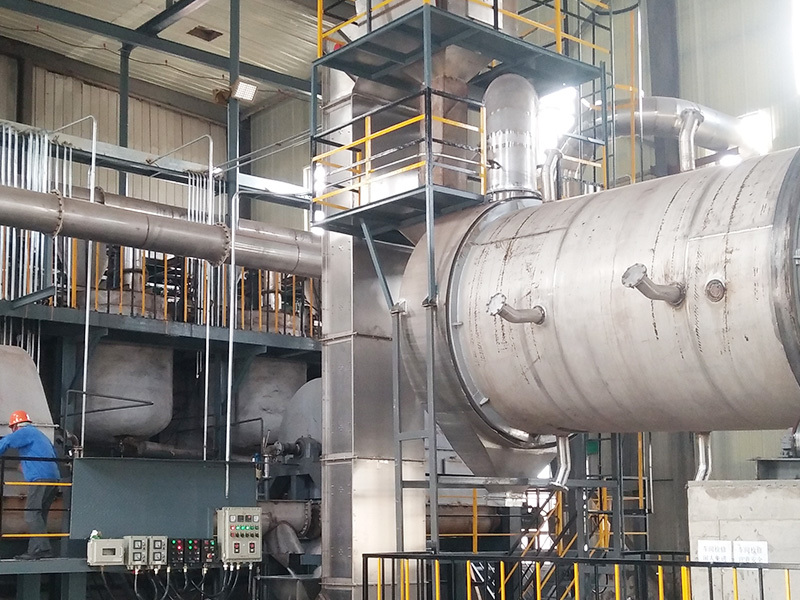
Hengshui Changhong Mining Machinery Co., Ltd. Launches New Website
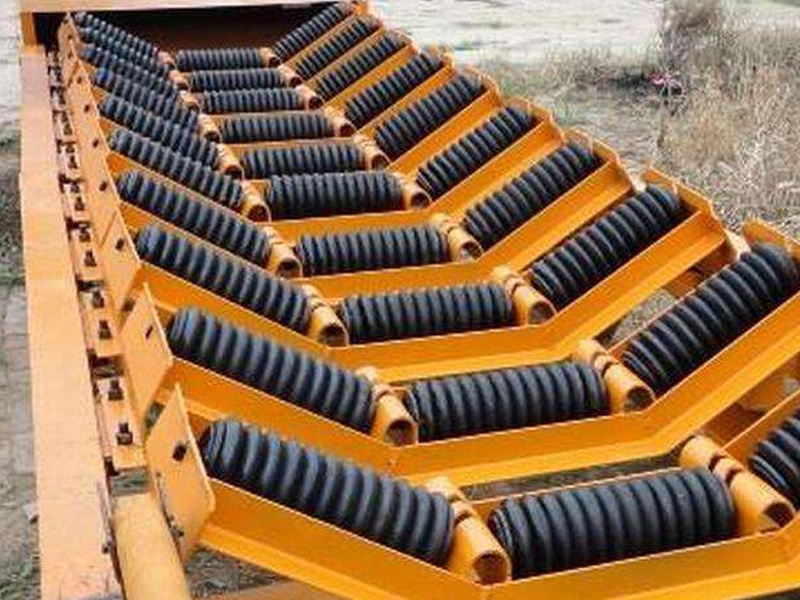
Impact of Radial Runout Measurement of Idlers on Conveyor Systems

Z-Type Elevator Enterprise Standard
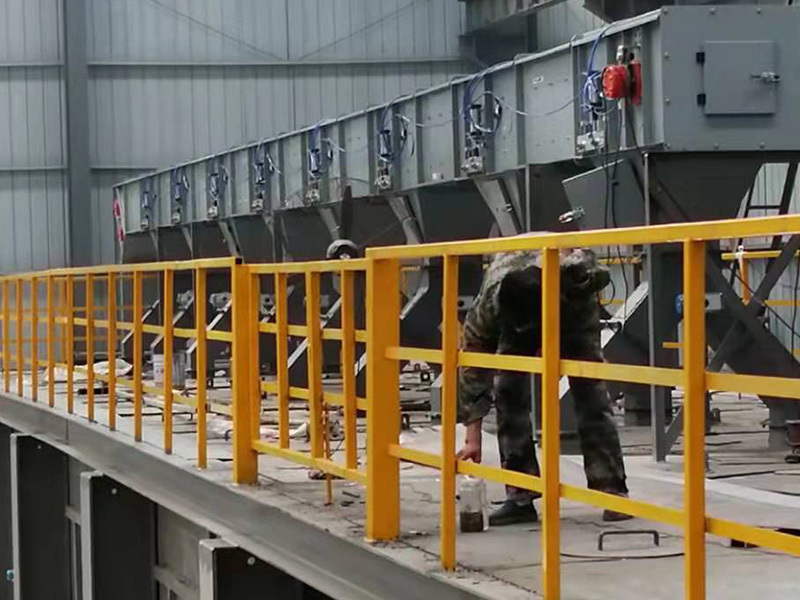
Daily Maintenance and Common Faults of High-Temperature Discharge Units
Specializing in the manufacture of elevators for over 20 years.
Hengshui Changhong Mining Machinery Co., Ltd. has been specializing in the manufacture of hoists for over 20 years, integrating technological development, production and operation, and technical services into one. Drafting author of Changhong Z-type (vertical spiral bucket) elevator enterprise standards, patent-technologied manufacturer, reputable producer of mining machinery with superior quality and strength.
Contact Info
Contact: Manager Pang
Phone:8613932836877,8613315840327
Phone:0086-318-4869777
Fax:0086-318-4868277
Email:384023722@qq.com
Address: Mada Development Zone, Fucheng County, Hengshui City, Hebei Province