
Solution: Cat litter
Jan 14,2026


Z-Type Elevator Conveyor Applications in the Cat Litter Industry: An Integrated Solution for Low Breakage, Moisture Resistance, and Dust Prevention
Cat litter—such as bentonite, tofu-based, and blended formulations—is a key segment of the pet-products market, with its production process encompassing multiple stages, including raw-material blending, granulation, drying, screening, and packaging. Cat-litter pellets are characterized by their porous, loose structure and relatively high brittleness, making them prone to disintegration and breakage upon contact with water or exposure to moisture; bentonite-based litter, in particular, exhibits a pronounced tendency to dust, generating substantial airborne particulate matter during handling and conveying. Moreover, as a product that comes into direct contact with pets, cat litter is subject to stringent hygiene and aesthetic standards. The Z-type bucket elevator, with its core advantages of low-breakage conveying, fully enclosed sealing, moisture-proof design, and multi-point discharge, has emerged as the ideal solution for vertical material handling in the cat-litter industry and has already been successfully implemented by numerous cat-litter manufacturers.
I. Material Characteristics of Cat Litter and Challenges in Conveying
| Cat Litter Type | Typical Characteristics | Challenges in Conveying |
|----------|----------|----------|
| **Bentonite Cat Litter** | Particles are brittle, prone to pulverization, and generate substantial dust | During transportation, fine powder and broken particles are easily produced, compromising product appearance and user experience; dust can contaminate the workshop environment and the product itself |
| **Tofu Cat Litter** | Made from plant fibers, highly absorbent and relatively soft in texture | Prone to clumping when exposed to moisture, which can clog equipment; easily deformed and crushed under pressure during conveyance |
| **Mixed Cat Litter** | Bentonite + Tofu Cat Litter Mixed in Proportions | Combines the characteristics of both materials, placing higher demands on conveying |
| **Crystal Cat Litter/Minerals Litter** | High particle hardness and smooth surface | Highly abrasive, causing wear on the hopper and conveyor chains |
Common pain points in cat litter conveying include: fragile granules leading to lower product yield; dust generation that contaminates the workshop environment and compromises operator health; moisture absorption causing clumping that clogs conveying equipment; and the need for multi-point feeding on the packaging line under constrained equipment layout. The Z-type elevator, with its customized design, comprehensively addresses these challenges, ensuring both cat litter quality and production efficiency.
II. Introduction to the Z-Type Elevator
The Z-type bucket elevator (also known as a rotary-bucket elevator) is a continuous conveying device that transports materials within a closed casing by means of buckets suspended from a chain. Its name derives from the characteristic Z-shaped conveying trajectory—horizontal feed, vertical lift, and horizontal discharge—and it can be configured for single- or multi-point feeding, with corresponding single- or multi-point discharging accomplished via a discharge mechanism. The equipment offers flexible configuration options, allowing for Z-shaped, C-shaped, hybrid, and other arrangements; its compact design makes it particularly well suited to space-constrained applications, such as cat-litter packaging lines. The Z-type bucket elevator is ideal for conveying powdery, granular, and small lump materials and is currently widely used for feeding weigh-and-pack machines, color-sorting machines, and re-sorting systems, as well as for three-dimensional, cyclical loading and unloading in automated production lines.
III. Core Advantages (for Cat Litter Materials)
1. Low-damage conveying to ensure the integrity of cat litter granules
The Z-type elevator exhibits an extremely low material breakage rate during conveyance, effectively reducing the generation of defective products and making it suitable for a wide range of applications that require gentle handling of materials. Specific implementation methods include:
- **Inflow Feeding**: Material flows naturally by gravity from the feed inlet into the hopper, rather than being scooped up by a bucket-type elevator as in conventional systems. This fundamentally eliminates shear and compression of cat litter particles during the feeding process. When paired with a vibratory feeder, it enables uniform, constant-rate feeding and effectively prevents overflow when the hopper is full.
- **Shallow-bowl, crush-resistant litter hopper**: The hopper’s inner walls are smooth and free of sharp edges, preventing violent impacts when cat litter particles fall in and thus reducing breakage. The wide, shallow opening allows the particles to slide out naturally during discharge, minimizing collision-related wear caused by centrifugal forces and ensuring particle integrity.
- **Buffered Feeding Mechanism**: A rubber buffer pad is installed at the feed inlet to decelerate and cushion the falling cat litter pellets before they enter the hopper, thereby further reducing impact-induced breakage. An adjustable gate is also provided at the feed inlet to control the pellet flow rate, preventing overloading of the hopper that could lead to spillage or blockage.
- **Smooth, Low-Speed Operation**: During non-discharge periods, the hopper maintains a vertically upward feed inlet and operates at a low linear speed of 0.1–0.3 m/s, minimizing severe particle-to-particle impacts and rolling friction, thereby keeping the breakage rate at a low level.
2. Fully enclosed and sealed, providing dual protection against moisture and dust.
Cat litter is prone to dust generation and caking due to moisture during conveyance. The Z-type bucket elevator features a fully enclosed casing with sealed gaskets at all joints, as well as flexible connectors and dust-collection interfaces at the inlet and outlet, ensuring a sealed, dust-proof operation and effective isolation from moisture.
- **Fully Enclosed Housing**: The entire machine is fully welded and sealed, ensuring no dust escapes during the conveying process. This keeps dust concentrations in the workshop at a low level, protecting the health of operators while also preventing dust contamination of the cat litter itself—after all, cat litter is a pet product subject to stringent hygiene standards.
- **Isolation from External Moisture**: The airtight design effectively prevents cat litter from absorbing moisture and clumping, which could clog the equipment, thereby ensuring the litter’s water-absorption capacity and clumping performance.
- **Top Dust Collection Port**: A small dust collection port is provided on the top of the housing, which can be connected to a dust collector to capture and convey dust generated during material handling, thereby further improving the workshop environment.
3. Integrated Z-shaped trajectory design to save factory floor space
The Z-type elevator enables a combined horizontal–vertical–horizontal conveying path, allowing integrated material transfer—low-level feeding, vertical lifting, and high-level discharge—without the need for additional horizontal conveying equipment. Compared with the conventional “horizontal belt + vertical bucket elevator” configuration, it reduces the footprint by more than 30%. The maximum horizontal conveying distance can reach 100 meters, and the maximum vertical lift height can reach 45 meters, providing flexible adaptation to various plant layouts.
4. Multi-point discharge for flexible adaptation to packaging line layouts
Cat litter packaging workshops typically operate multiple packaging machines simultaneously, requiring uniform distribution of cat litter into the hoppers of each machine. Z-type elevators can be equipped with multiple discharge outlets (ranging from 2 to 30) along their horizontal discharge section, with each outlet serving a specific packaging machine or storage bin. Controlled by a PLC, material is fed on demand to the designated discharge outlets, enabling a single piece of equipment to serve multiple packaging lines and thereby reducing capital investment and saving floor space.
5. Flexible material options to suit different types of cat litter
Z-type elevators can be configured with different material combinations based on the type of cat litter and operational requirements. The housing can be made of carbon steel with electrostatic powder coating (offering cost-effectiveness and excellent structural strength) or stainless steel. Hopper materials may include modified plastic hoppers, carbon steel hoppers, or stainless steel hoppers. The traction components can be high-strength alloy steel chains.
6. PLC intelligent control, integrated with the DCS system
The Z-type elevator is equipped with PLC control and variable-frequency drive speed regulation, enabling automatic adjustment of operating speed based on the upstream material feed rate to achieve continuous, balanced conveying. It features standard communication interfaces (such as Modbus RTU/TCP, Profinet, and Profibus-DP), facilitating seamless integration with the plant’s DCS system for remote start/stop, speed setting, material-level monitoring, and fault alarm functions. The system incorporates integrated material-level sensors, anti-blocking switches, and motor current monitoring; in the event of abnormalities, it automatically triggers alarms, shuts down, or reverses operation to clear blockages, thereby ensuring uninterrupted production line operation.
IV. Typical Application Scenarios
| Cat Litter Type | Application Stage | Function of the Z-Type Elevator |
|----------|----------|----------------|
| **Bentonite Cat Litter** | Pelletizing → Drying → Screening → Packaging | Low-breakage conveying to minimize dusting; fully enclosed dust-proof design; multi-point discharge to feed multiple packaging machines |
| **Tofu Cat Litter** | Mixing → Extrusion → Drying → Packaging | Shallow hopper with buffer-fed material to prevent granule breakage; anti-stick traction components to avoid scratches; sealed design to isolate moisture and prevent caking |
| **Mixed Cat Litter** | Mixing → Screening → Packaging | Shallow-bucket design accommodates the characteristics of two types of materials; multi-point discharge feeds multiple packaging lines |
| **Crystal Cat Litter** | Drying → Screening → Packaging | Wear-resistant hopper suitable for higher-hardness particles; fully enclosed to prevent dust |
The Z-type elevator is particularly well-suited for small and medium-sized cat litter plants, handling 1–5 mm cat litter granules and meeting daily throughput requirements of several tens of tons—all operable without the need for a specialized technical team.
V. Selection Recommendations (Specifically for Cat Litter)
| Configuration Item | Recommended Solution |
|--------|----------|
| **Housing Material** | Carbon steel Q235B with electrostatic powder-coated anti-corrosion finish (economy option) or stainless steel 304 (for high hygiene requirements) |
| **Hopper Material** | Modified plastic hopper (lightweight, gentle on granules, non-stick) or 304 stainless steel (wear-resistant, easy to clean) |
| **Hopper Type** | Shallow, crush-resistant hopper with a depth 30% shallower than conventional hoppers; smooth inner walls with no sharp edges |
| **Traction Element** | Food-grade non-stick rubber belt (scratch-resistant, low-vibration, dust-reducing) or high-strength alloy steel chain (for high-stress applications) |
| **Sealing Grade** | Fully enclosed welded housing with sealing strips installed at all joints; inlet and outlet ports equipped with flexible connectors and dust-collection interfaces |
| **Moisture-Proof Measures** | A sealed enclosure isolates the device from external moisture; a desiccant air inlet is available as an option |
| **Anti-static Configuration (Optional)** | Anti-static hopper and chain, with overall equipment grounding, suitable for high-static environments during dry seasons |
| **Control** | PLC + HMI touch screen, with a reserved DCS communication interface (Modbus/Profinet, etc.) |
VI. Expected Outcomes
| Indicator | Expected Outcome |
| **Breakage Rate** | Significantly reduced: the combination of a shallow-bucket hopper, cushioned feeding, and low-speed operation results in a cat litter particle breakage rate far lower than that of conventional equipment |
| **Dust Control** | Fully enclosed sealing combined with a top-mounted dust extraction port reduces dust concentrations in the workshop to low levels, preventing dust contamination of the cat litter product |
| **Moisture-Resistant Performance** | A sealed housing isolates the device from external moisture, preventing clumping of cat litter and blockage of the equipment |
| **Production Efficiency** | Continuous conveying with multi-point discharge increases packaging line efficiency by 20–30% |
| **Automation Level** | PLC–DCS integrated control, enabling unattended operation |
| **Maintenance Costs** | Modular quick-release design for easy replacement of wear parts, reducing annual maintenance costs by 30% |
| **Improved Compliance Rate** | Ensures the compliance rate of cat litter products, thereby indirectly enhancing their market competitiveness |
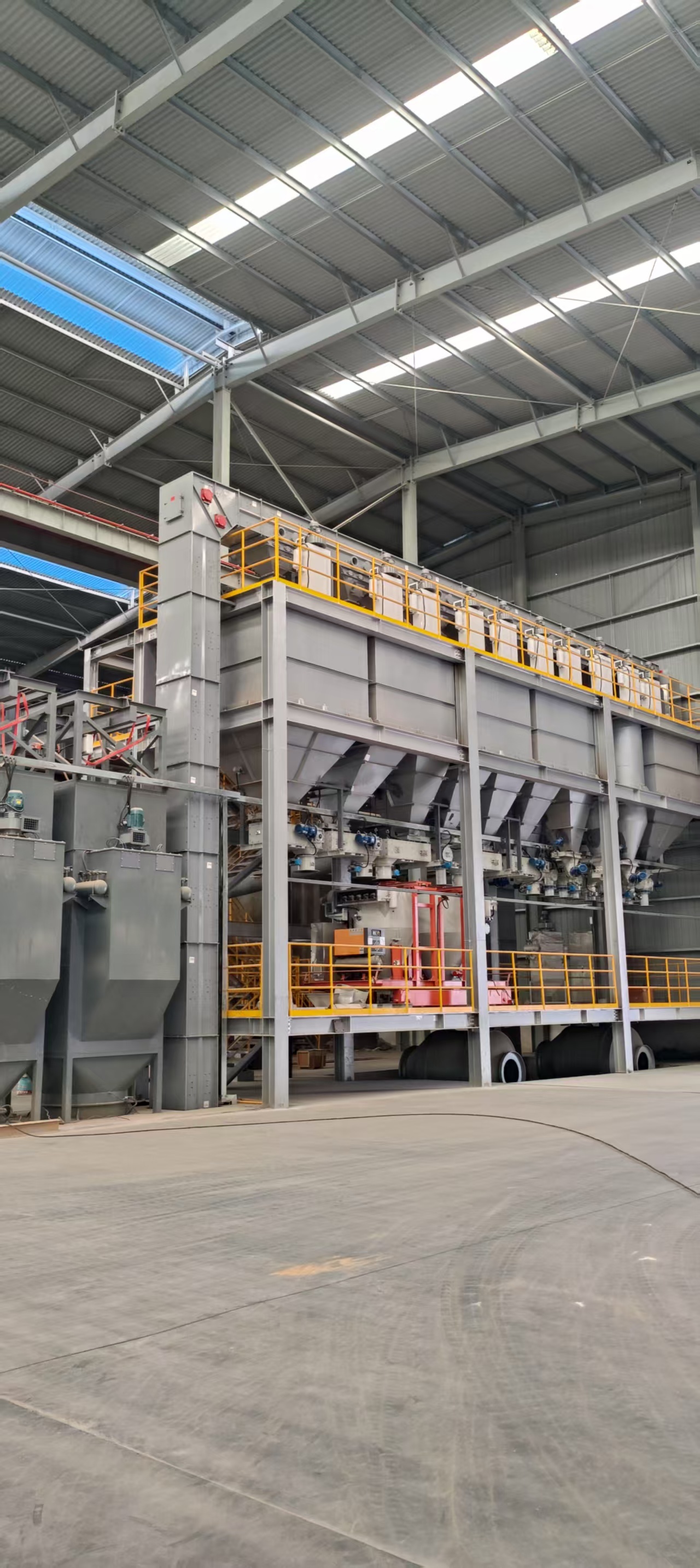
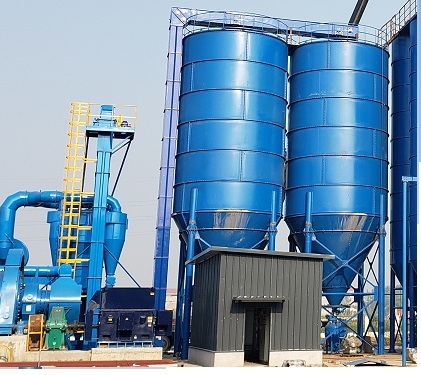
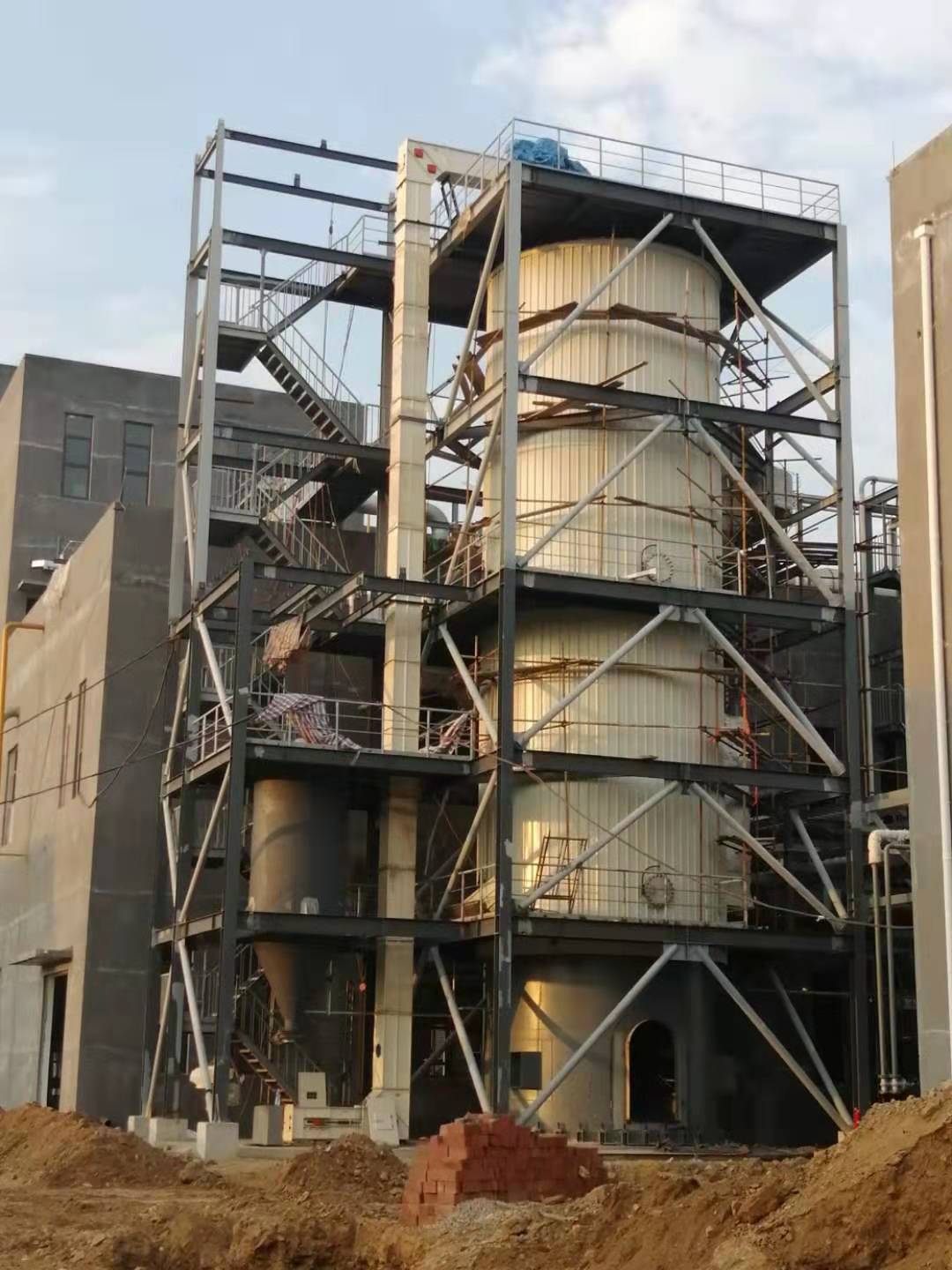
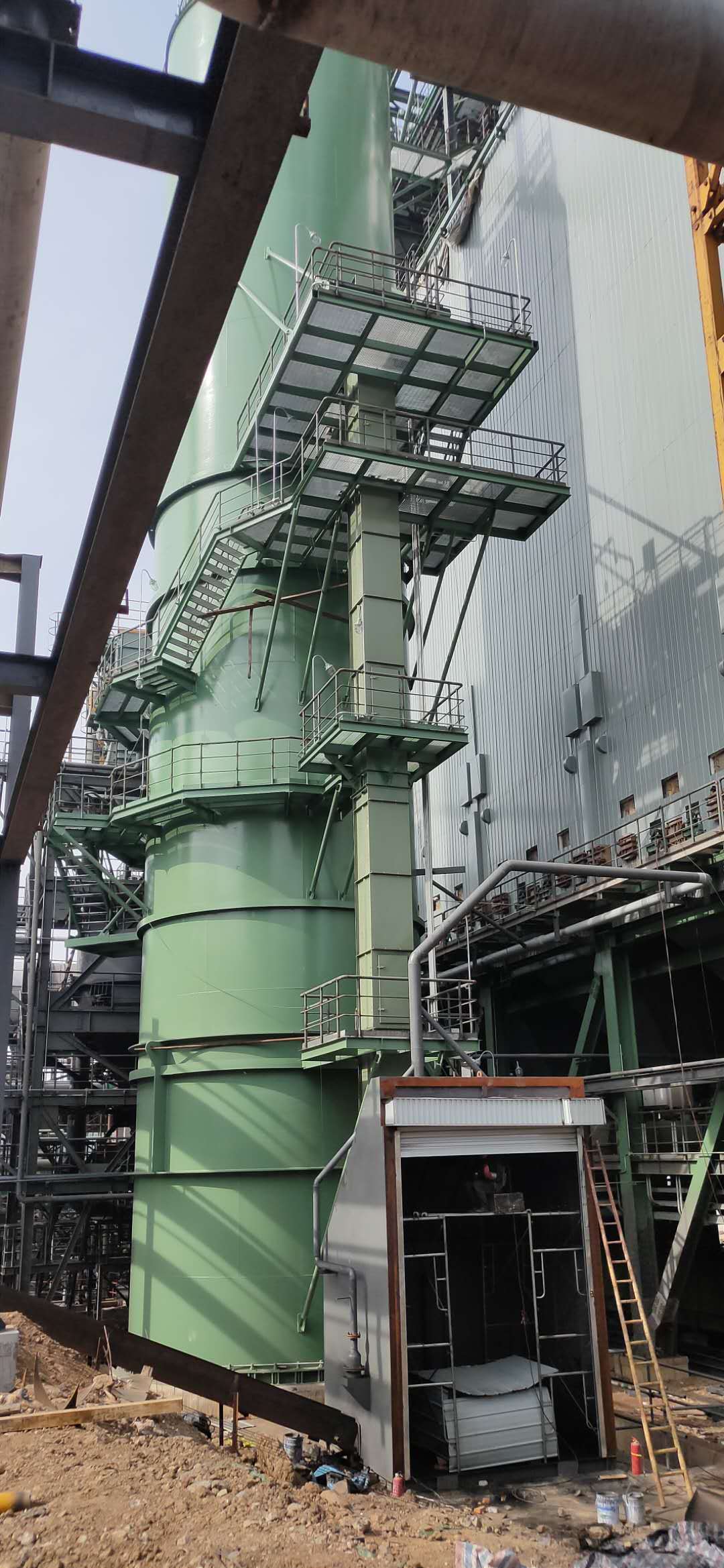
Relevant Cases

What details should be considered when selecting a Z-type bucket elevator?
Z-type elevator? Let’s learn more!
Fun facts about Z-type bucket elevators?
Specializing in the manufacture of elevators for over 20 years.
Hengshui Changhong Mining Machinery Co., Ltd. has been specializing in the manufacture of hoists for over 20 years, integrating technological development, production and operation, and technical services into one. Drafting author of Changhong Z-type (vertical spiral bucket) elevator enterprise standards, patent-technologied manufacturer, reputable producer of mining machinery with superior quality and strength.
Contact Info
Contact: Manager Pang
Phone:8613932836877,8613315840327
Phone:0086-318-4869777
Fax:0086-318-4868277
Email:384023722@qq.com
Address: Mada Development Zone, Fucheng County, Hengshui City, Hebei Province