
Solution: Grains and cereals
Jan 30,2026


In the field of modern agricultural logistics, the transportation of grains and cereals has become a critically important task. Traditional conveyors often suffer from low efficiency when handling large-scale shipments of grains and cereals. To address this issue, we have developed a series of specialized solutions aimed at enhancing conveyor efficiency and ensuring the smooth and efficient flow of grains and cereals.
I. Current Situation Analysis and Challenge Identification
As the scale of agricultural production continues to expand, the volume of grain and miscellaneous cereals being transported is steadily increasing. Existing conveyors, when handling large quantities of materials, are prone to issues such as jamming and low efficiency, making it impossible to meet the demands of rapid throughput. Therefore, improving the efficiency of conveyors has become an urgent issue that needs to be addressed promptly.
II. Technical Upgrade Plan
1. Optimize conveyor belt design: Use high-strength, wear-resistant conveyor belt materials to enhance the conveyor’s load-carrying capacity and durability.
2. Introduce an intelligent control system: Utilizing advanced sensors and algorithms, the system monitors the conveyor’s operating status in real time and automatically adjusts the conveying speed to ensure smooth transportation of grains and cereals.
3. Add auxiliary devices—such as cleaning and anti-blocking devices—to effectively remove impurities and prevent blockages during the conveying process, further enhancing conveying efficiency.
III. Process Optimization Measures
1. Classified Conveying: Based on the different characteristics and sizes of various grains and cereals, adopt a classified conveying approach to ensure that each type of grain achieves optimal conveying performance.
2. Regular Maintenance: Develop a rigorous maintenance schedule and perform regular upkeep and inspections on the conveyor to ensure stable equipment operation.
3. Intelligent Management: Utilizing IoT technology to enable remote monitoring and management of conveyors, thereby improving operational efficiency.
IV. Implementation Effect Prediction
By implementing the above solutions, we anticipate a significant improvement in the efficiency of the grain and cereal conveyor. The optimized conveyor will feature higher load-carrying capacity and lower failure rates, effectively reducing instances of jamming and blockages. Meanwhile, the introduction of an intelligent control system will enable automated operation, further boosting production efficiency.
In summary, through technological upgrades and process optimization, we can significantly enhance the efficiency of the grain and cereal conveyor. This not only helps meet the demands of modern agricultural logistics but also brings greater economic benefits to agricultural production.
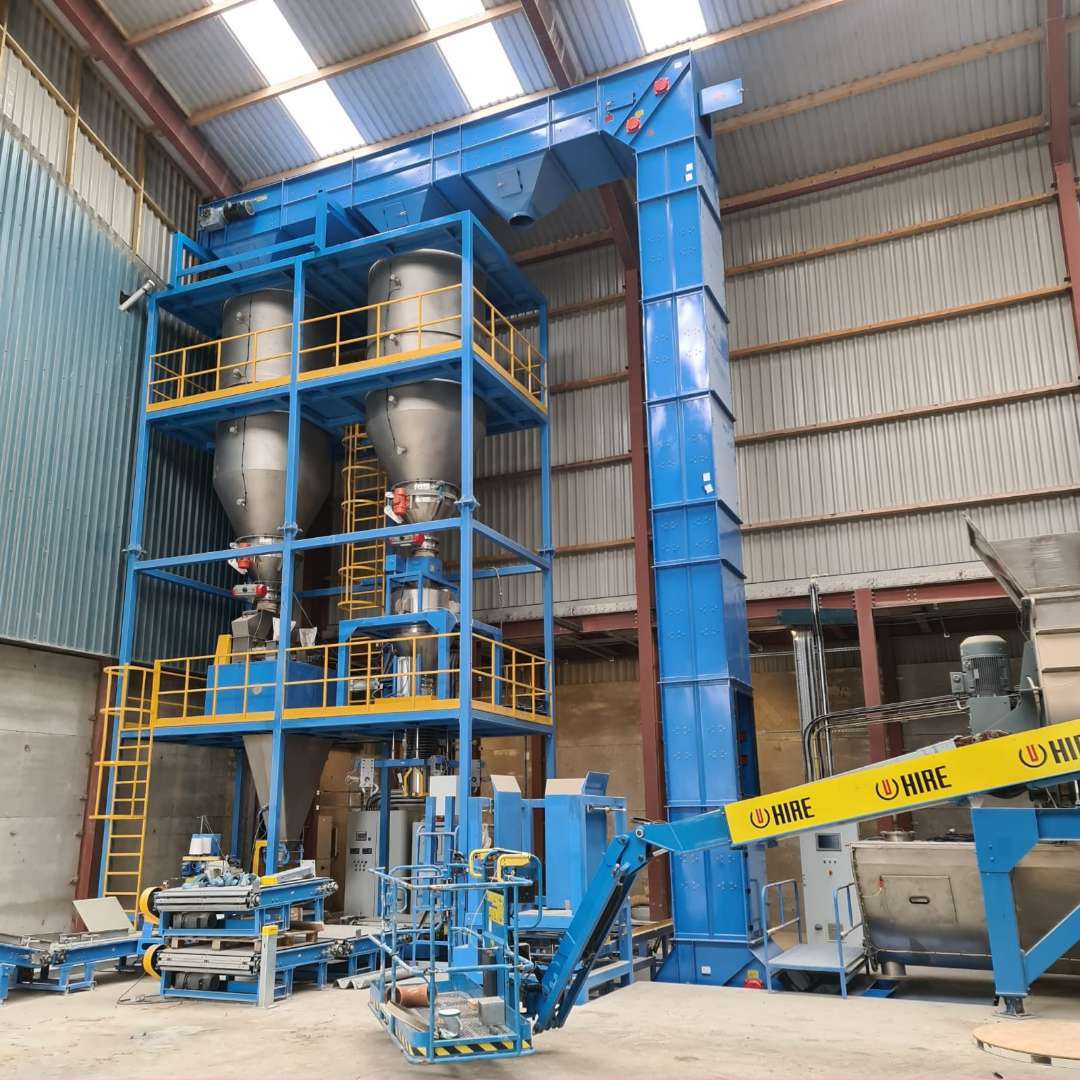
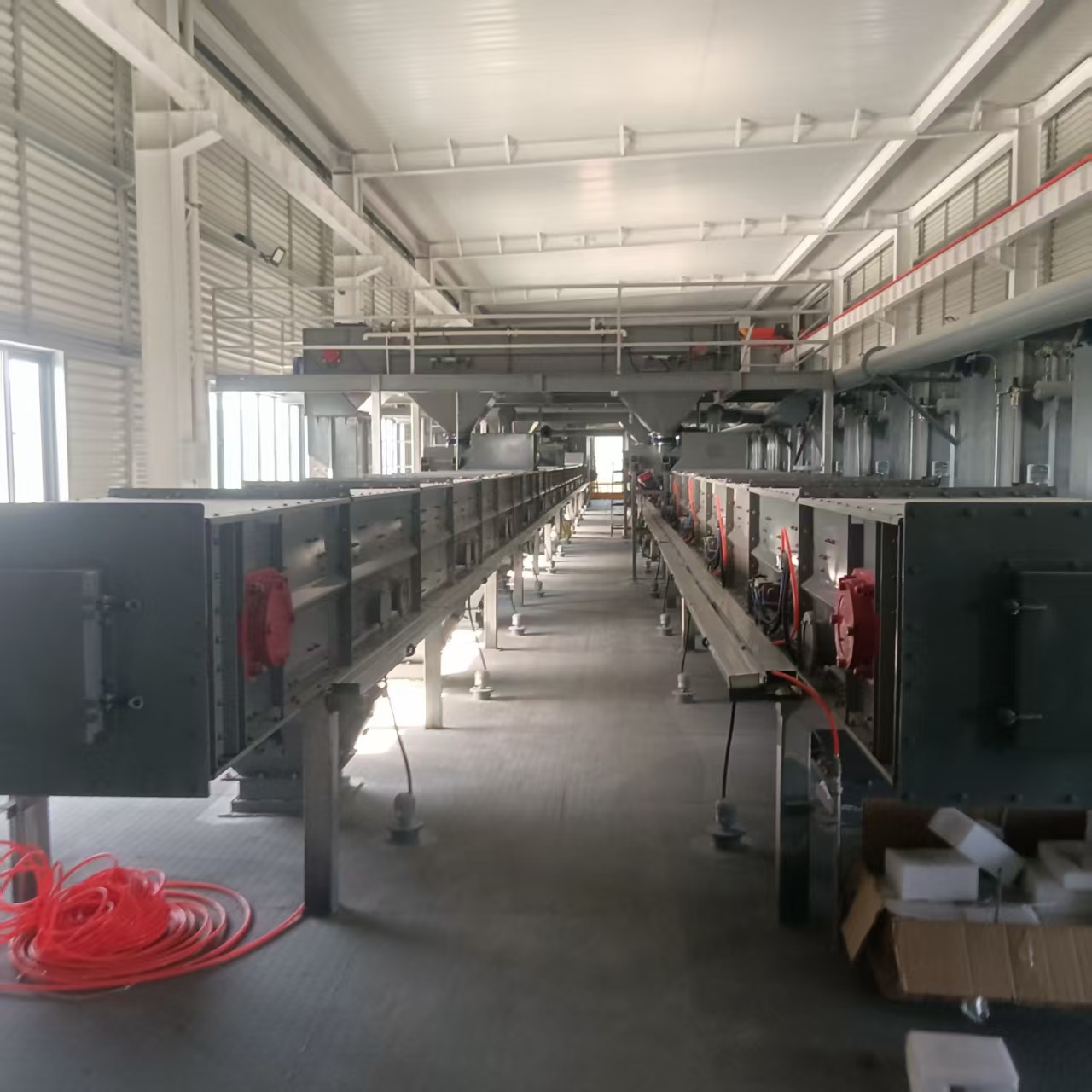
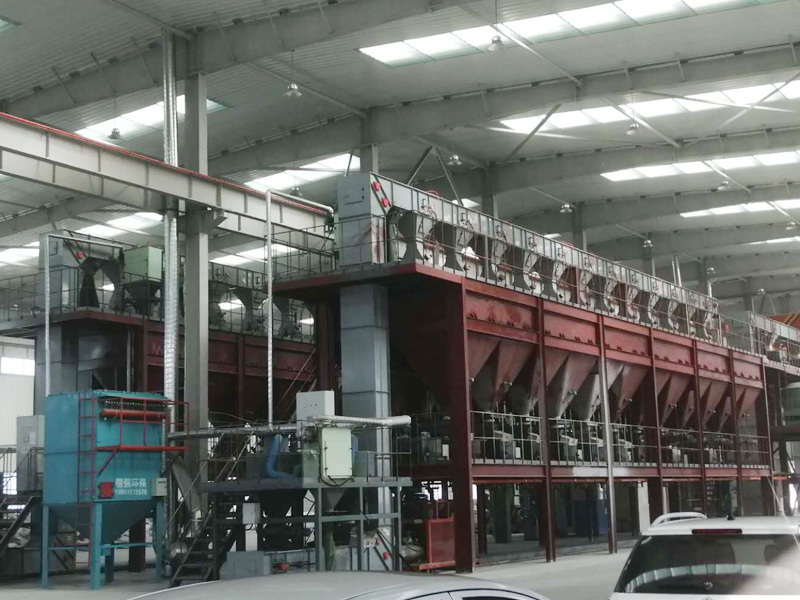
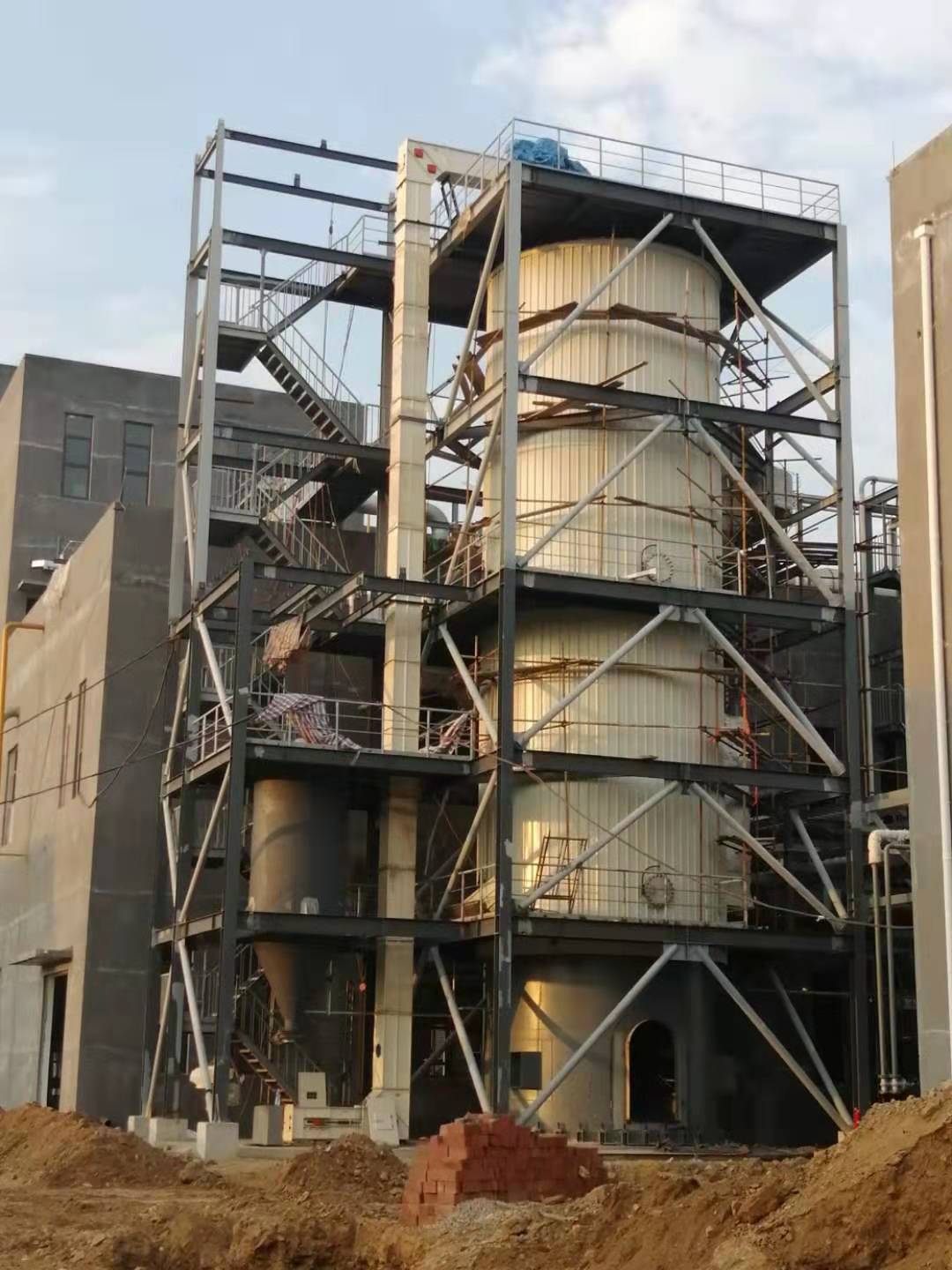
Relevant Cases

What adjustments are required during the maintenance and upkeep of a Z-type bucket elevator?
Overview of Z-Type Bucket Elevator Products:
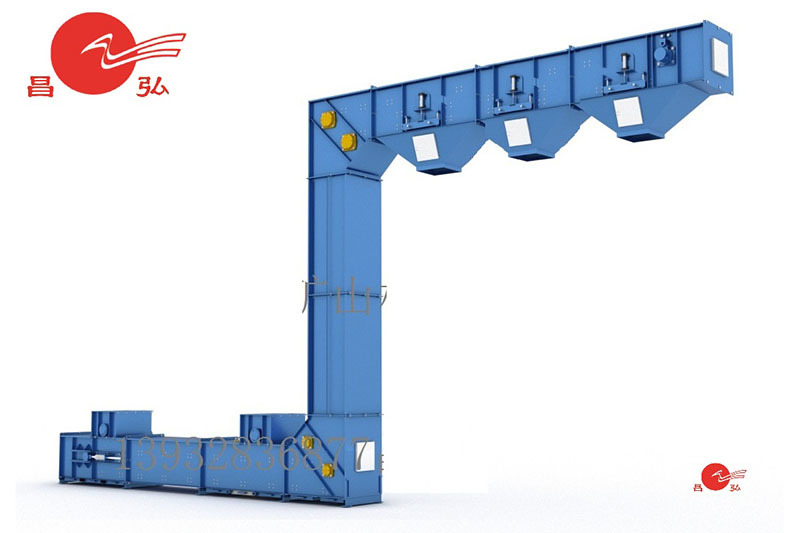
Is a Z-shaped elevator easy to use?
What are the differences between a bucket elevator and other conveying equipment?
Specializing in the manufacture of elevators for over 20 years.
Hengshui Changhong Mining Machinery Co., Ltd. has been specializing in the manufacture of hoists for over 20 years, integrating technological development, production and operation, and technical services into one. Drafting author of Changhong Z-type (vertical spiral bucket) elevator enterprise standards, patent-technologied manufacturer, reputable producer of mining machinery with superior quality and strength.
Contact Info
Contact: Manager Pang
Phone:8613932836877,8613315840327
Phone:0086-318-4869777
Fax:0086-318-4868277
Email:384023722@qq.com
Address: Mada Development Zone, Fucheng County, Hengshui City, Hebei Province