
Solution: Mineral transportation
Jan 14,2026


In the process of mineral mining and processing, enhancing the efficiency of conveyors is crucial. In response to the current challenges in mineral transportation, we propose a series of solutions aimed at optimizing the mineral transport process and improving production efficiency.
I. Current Situation Analysis
In the mineral mining industry, elevators play a crucial role in transporting minerals from extraction sites to processing plants. However, due to factors such as the diverse nature of minerals, varying transportation distances, and complex environmental conditions, elevators often face challenges like low efficiency and frequent breakdowns.
II. Solution
1. Selection Optimization
Based on factors such as the properties of the mineral, production volume, and conveying distance, select an appropriate model of lifting conveyor. For applications involving large production volumes and long-distance conveyance, a combined system of belt conveyors and chain conveyors can be chosen to enhance conveying capacity.
2. Technical Upgrade
Introduce intelligent technologies, such as automated control systems and smart sensors, to enhance the automation of conveyor operations. By monitoring the conveyor’s operational status in real time, we can predict and address potential faults, thereby reducing the failure rate.
3. Maintenance and Care
Establish a strict maintenance and upkeep system, and regularly inspect, clean, and lubricate the conveyor. Replace critical components on a regular basis to ensure the stable operation of the conveyor.
4. Security Assurance
Strengthen safety precautions by installing safety guardrails, emergency stop devices, and other safety features. Provide specialized training for operators to enhance their safety awareness and operational skills, ensuring the safe and efficient operation of the conveyor system.
5. Energy-saving and environmentally friendly
Select energy-efficient motors, frequency converters, and other equipment to reduce the energy consumption of conveyor systems. At the same time, strengthen dust control measures to minimize dust pollution during mineral transportation and achieve green production.
III. Expected Outcomes
By implementing the above solutions, we anticipate a significant improvement in the efficiency of conveyors during mineral transportation, a substantial reduction in failure rates, and enhanced assurance of safe production. Meanwhile, energy-saving and environmentally friendly measures will help lower production costs and promote green, sustainable development.
In summary, regarding the issues with mineral upgrading conveyors, we have proposed the solutions outlined above, aimed at improving mineral transportation efficiency, reducing failure rates, ensuring safe production, and promoting the sustainable development of the mineral mining industry.
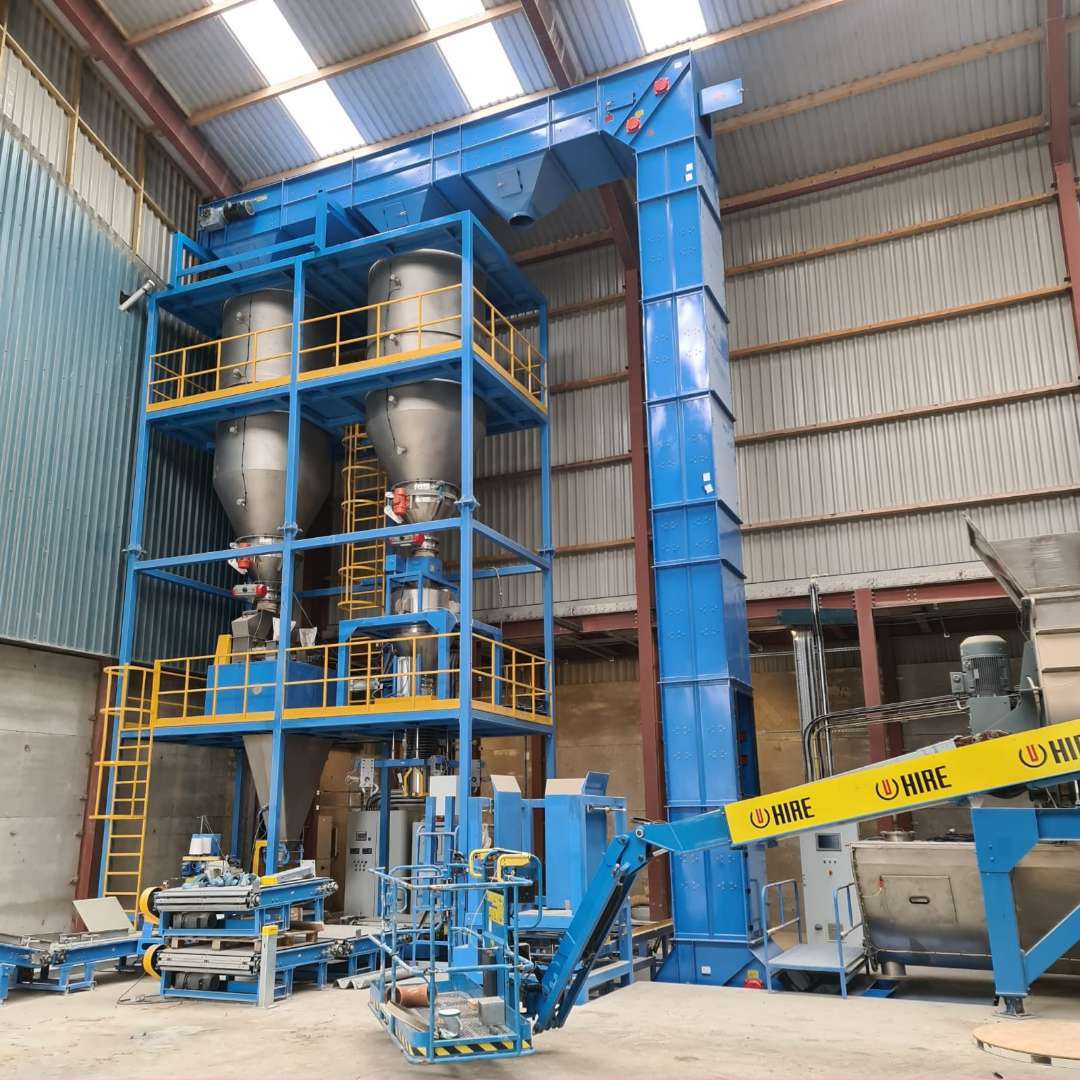
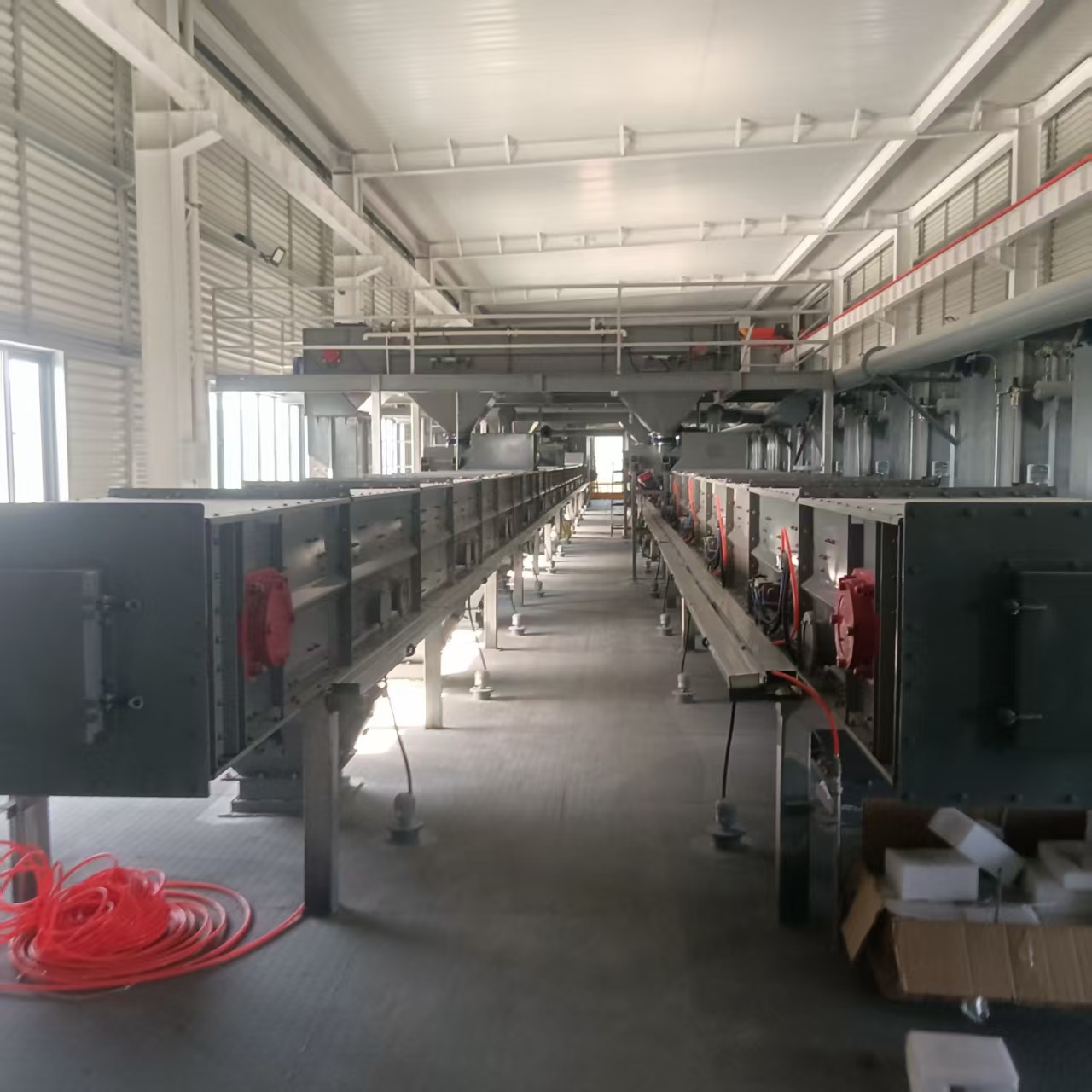
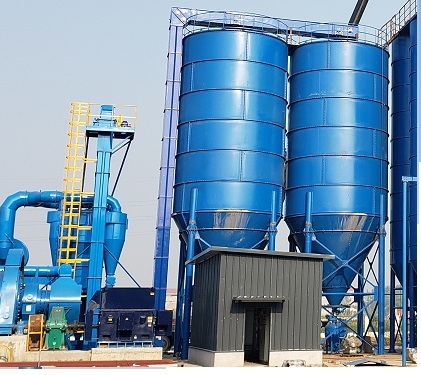
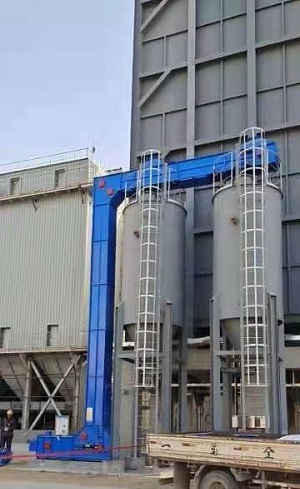
Relevant Cases

Introduction to the Five Major Advantages of C-Type Elevators
Why are Z-type elevators so popular?
What advantages does a Z-type bucket elevator have over other types of elevators?
What adjustments are required during the maintenance and upkeep of a Z-type bucket elevator?
Specializing in the manufacture of elevators for over 20 years.
Hengshui Changhong Mining Machinery Co., Ltd. has been specializing in the manufacture of hoists for over 20 years, integrating technological development, production and operation, and technical services into one. Drafting author of Changhong Z-type (vertical spiral bucket) elevator enterprise standards, patent-technologied manufacturer, reputable producer of mining machinery with superior quality and strength.
Contact Info
Contact: Manager Pang
Phone:8613932836877,8613315840327
Phone:0086-318-4869777
Fax:0086-318-4868277
Email:384023722@qq.com
Address: Mada Development Zone, Fucheng County, Hengshui City, Hebei Province