
26
2020/09
Why are Z-type elevators so popular?
The Z-type bucket elevator conveys materials using individual small buckets, with the material stream and buckets sealed within a closed housing, achieving excellent sealing performance. Currently, there are numerous models of Z-type bucket elevators available, making them well-suited for handling powders, granules, and even small, irregularly shaped materials. Owing to their inherent design advantages, they are highly favored by users and are now widely employed in industries such as food processing, cosmetics, chemicals and pharmaceuticals, refractory materials, metallurgy, and mining.
Z-shaped elevator Material is conveyed through a series of small hoppers, with the material chute and hoppers sealed within the housing to achieve excellent sealing performance. Currently, Z-shaped elevators are widely used and well-suited for conveying powders, granules, and even small, irregularly shaped materials. Due to their inherent design advantages, they are highly favored by users and are now extensively employed in industries such as food, cosmetics, chemicals and pharmaceuticals, refractories, metallurgy, and mining.
So today, I’d like to share some of the advantages with everyone, and tell you Z-shaped elevator The reason for its popularity
1. Prevent material damage. Z-shaped elevator During material conveyance, the material falls from the feed inlet directly into the buckets, filling them one by one before being lifted and conveyed. Unlike bucket elevators, which store material at the bottom and then scoop it out bucket by bucket—a process that can damage the material—Z-type elevators are specifically designed to avoid such damage. As a result, they are now widely used across many industries, with numerous buyers choosing this equipment precisely because of this advantage: when material costs are high, minimizing damage translates directly into cost reduction.
2. Suitable for a wide range of materials. Commonly handled materials include powders and granules; the conveyor can also transport small, irregularly shaped items. It performs exceptionally well with corrosive materials as well, thanks to our corrosion-resistant construction options, including food-grade stainless steel. Stainless steel is not only highly corrosion-resistant but also widely used in the food industry, ensuring no contamination of the conveyed material while providing effective protection. This is precisely where the advantages of Z-type bucket elevators come into full play.
3. Excellent stability. The internal mechanism employs chain drive, with the chain secured by sprockets and stabilizers on both sides to prevent the machine from detaching from the hopper. The overall operating speed is relatively slow, which enhances stability while still maintaining production output. As a result, the equipment not only achieves the desired throughput but also operates smoothly and delivers reliable performance. Power is supplied by an electric motor equipped with a reducer, providing sufficient driving force while protecting the power source.
4. Low noise level. Z-shaped elevator Overall, the noise level is relatively low, with no other extraneous noises. Bucket elevators, which operate by digging and scooping material, tend to be faster but generate more noise. Belt-type elevators, on the other hand, may experience belt misalignment over time, necessitating the installation of a casing to correct this issue. In contrast, Z-shaped elevators run within a gear-driven system, eliminating the risk of belt misalignment while maintaining low noise levels, a rational design, a small footprint, stable operation, and a remarkably quiet working environment.

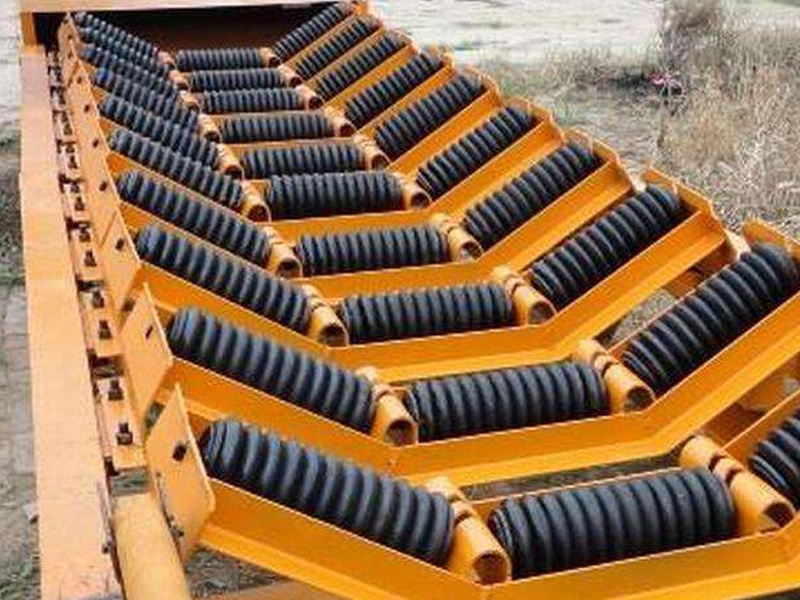
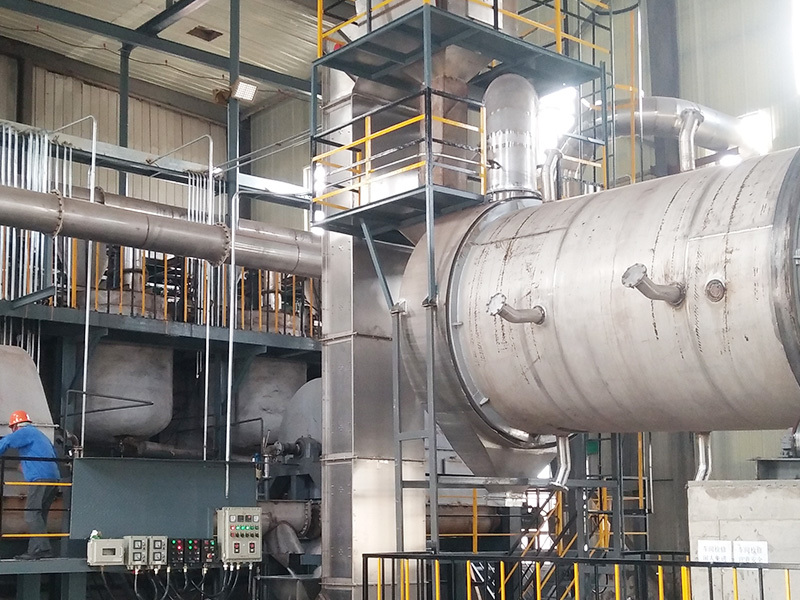
Specializing in the manufacture of elevators for over 20 years.
Hengshui Changhong Mining Machinery Co., Ltd. has been specializing in the manufacture of hoists for over 20 years, integrating technological development, production and operation, and technical services into one. Drafting author of Changhong Z-type (vertical spiral bucket) elevator enterprise standards, patent-technologied manufacturer, reputable producer of mining machinery with superior quality and strength.
Contact Info
Contact: Manager Pang
Phone:8613932836877,8613315840327
Phone:0086-318-4869777
Fax:0086-318-4868277
Email:384023722@qq.com
Address: Mada Development Zone, Fucheng County, Hengshui City, Hebei Province


