
Solution: New materials
Jan 14,2026


With advances in technology and industrial upgrading, the application of new materials is becoming increasingly widespread. In the process of transporting these new materials, enhancing the efficiency and safety of conveyors has become particularly important. This article will propose a series of solutions aimed at improving the performance of conveyors in the transportation of new materials.
I. Analysis of New Material Properties
New materials exhibit a variety of properties, including—but not limited to—light weight, high strength, wear resistance, and corrosion resistance. Understanding these characteristics of new materials can help us optimize the design of conveyors in a targeted manner.
II. Optimization of Conveyor Belt Materials
Based on the characteristics of new materials, we can select conveyor belt materials that are more suitable. For example, for new materials with strong corrosivity, we can use corrosion-resistant conveyor belt materials to extend the service life of the conveyor and improve its efficiency.
III. Improvement of Elevator Structural Design
To meet the requirements of transporting new materials, it is necessary to optimize the structural design of conveyors accordingly. For example, reasonably adjusting parameters such as the conveyor’s inclination angle and trough profile can enhance its conveying capacity. At the same time, improving the stability and safety of the conveyor will ensure the safe handling of new materials during transportation.
IV. Upgrade of the Intelligent Control System
By introducing advanced automation and intelligent technologies and building a sophisticated control system, we can achieve real-time monitoring and intelligent management of the new materials being conveyed by the conveyor. Through automated adjustments, we can ensure the stability and efficiency of the conveyor during the handling of these new materials.
V. Construction of a Security Monitoring and Maintenance System
Establish a comprehensive safety monitoring and maintenance system to conduct real-time monitoring of the new material transportation process, promptly identifying and addressing potential safety hazards. At the same time, perform regular equipment maintenance and upkeep to ensure the smooth operation of the conveyor and extend its service life.
In summary, in light of the characteristics of new materials, we can enhance the performance of conveyors by optimizing conveyor belt materials, improving structural design, upgrading intelligent control systems, and establishing robust safety monitoring and maintenance frameworks, thereby ensuring the efficient and safe transportation of these new materials. This will provide strong technical support for the application and promotion of new materials.
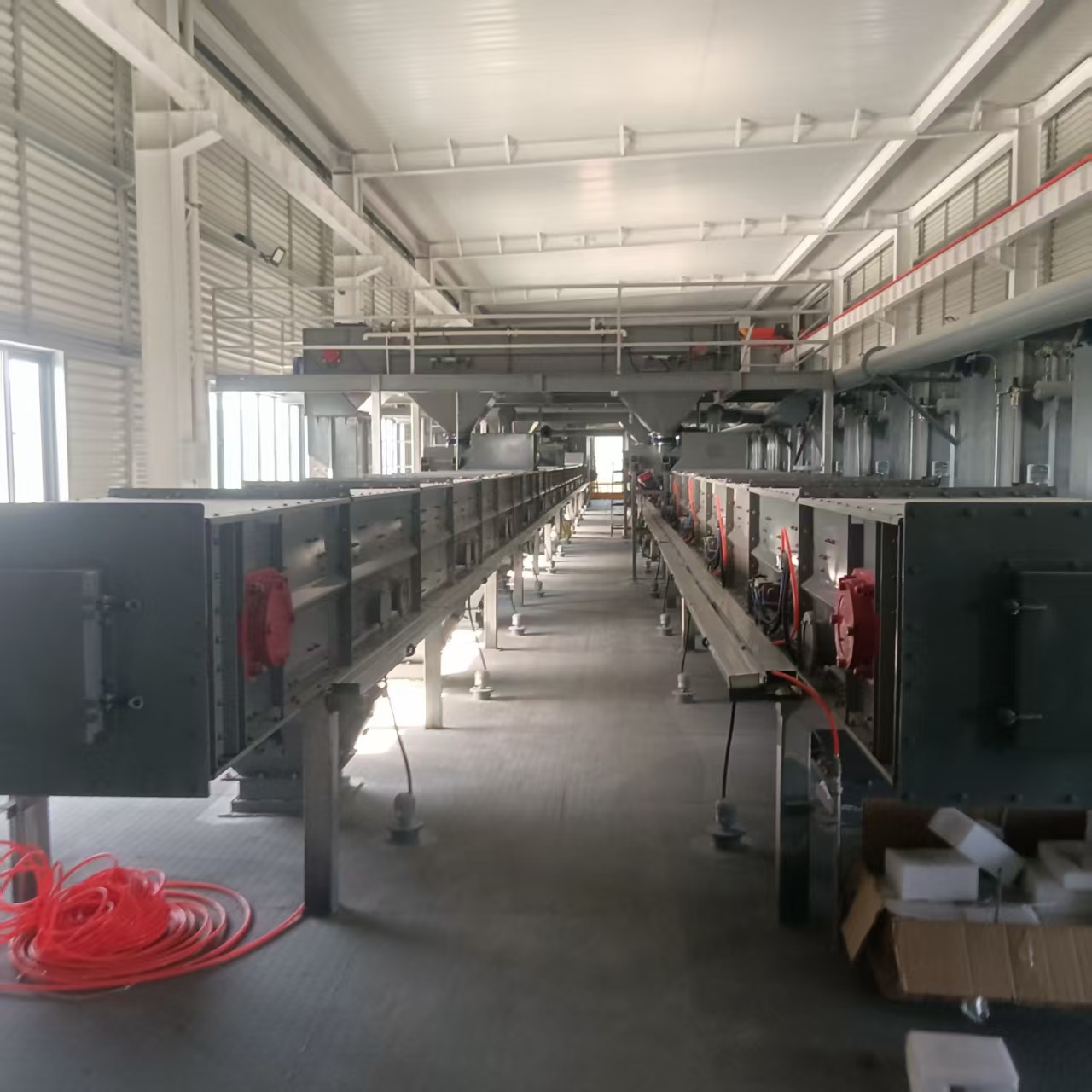
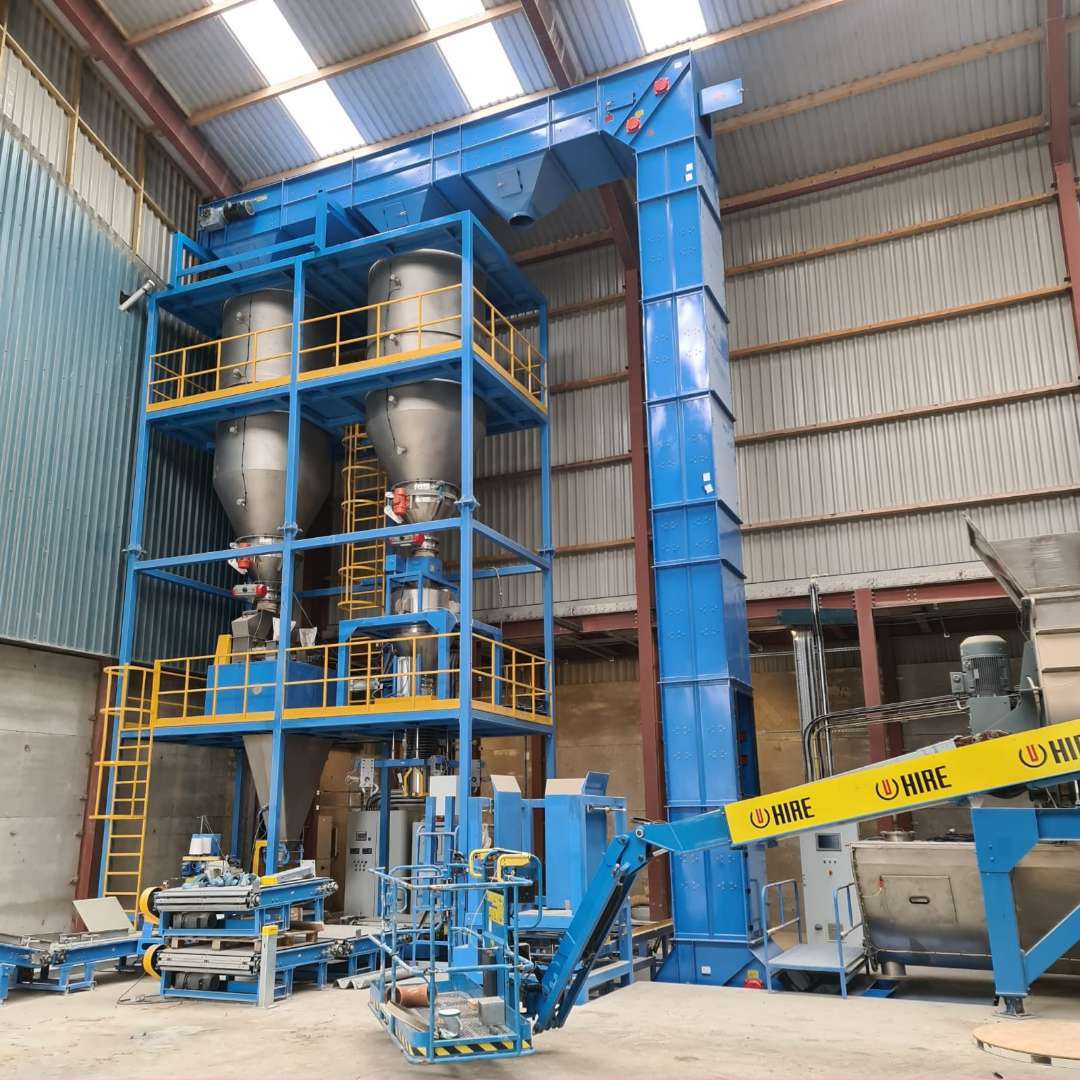
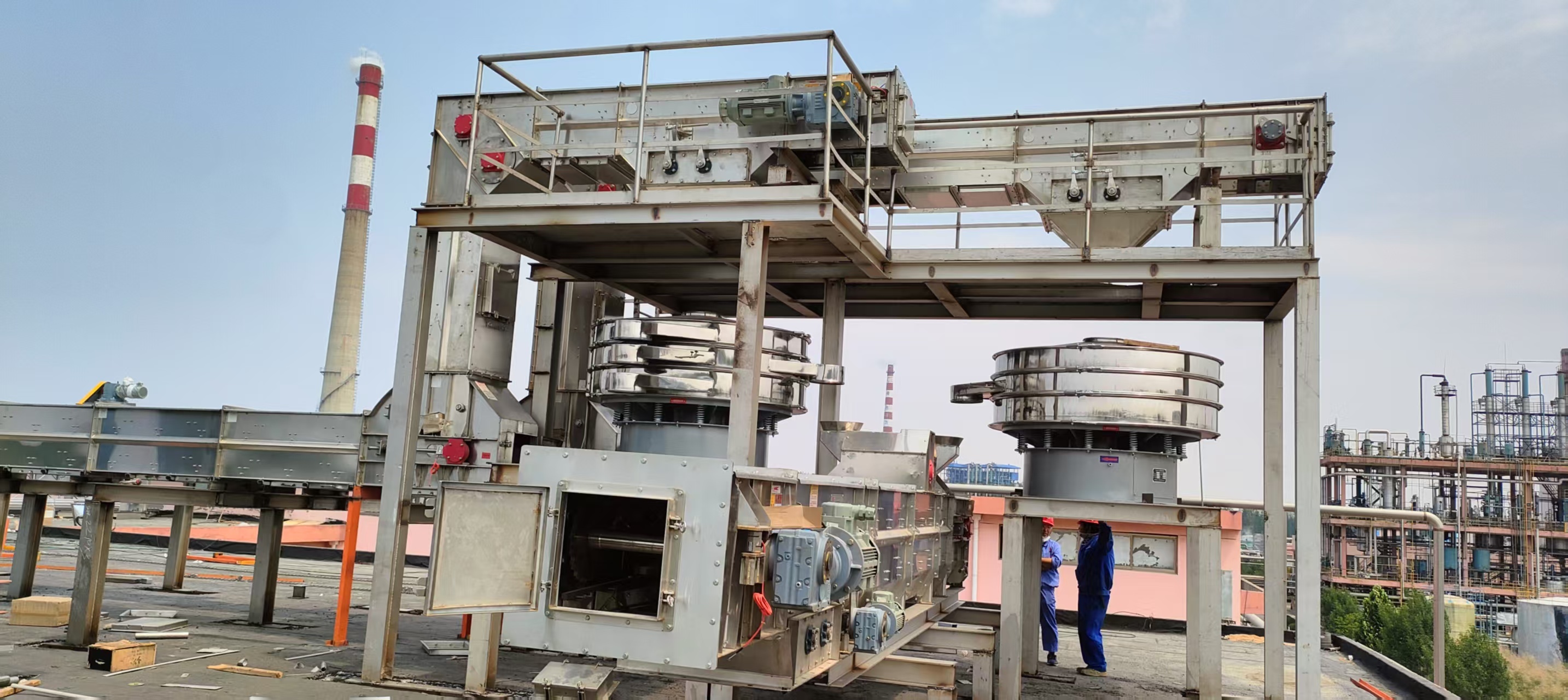
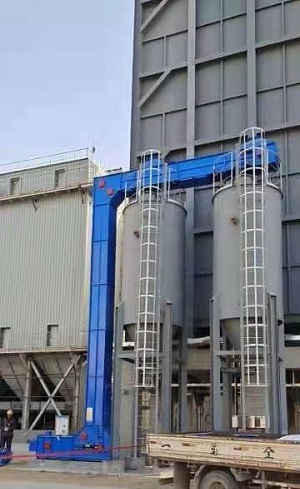
Relevant Cases
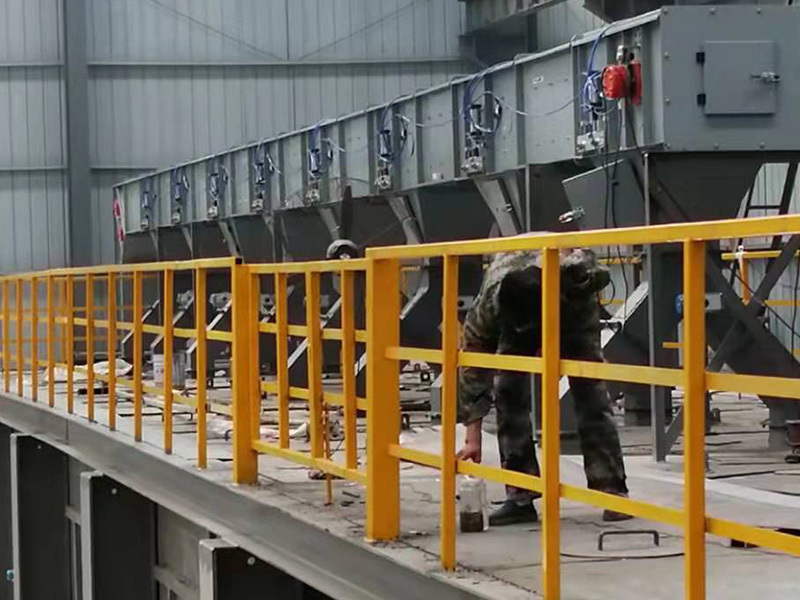
Daily Maintenance and Common Faults of High-Temperature Discharge Units
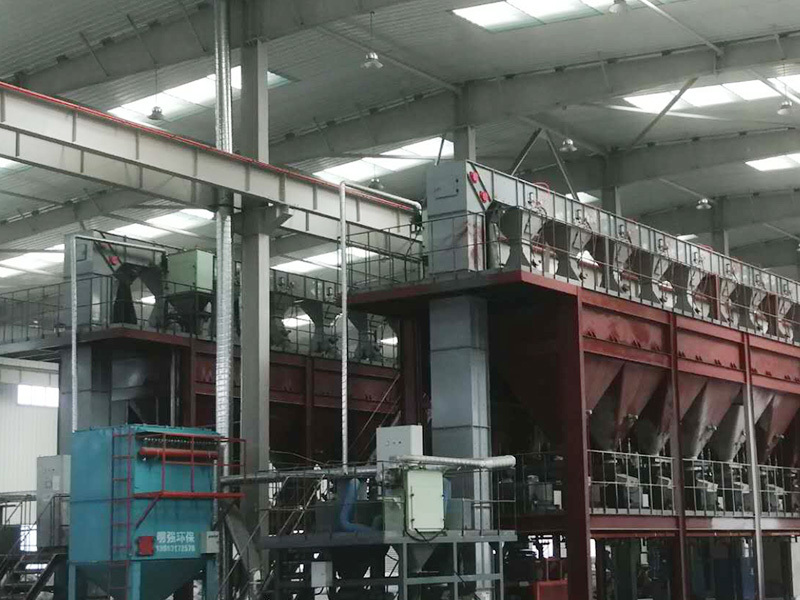
The shaftless screw conveyor has an appropriate rotational speed.

What adjustments are required during the maintenance and upkeep of a Z-type bucket elevator?
Safety Precautions for C-Type Elevators
Specializing in the manufacture of elevators for over 20 years.
Hengshui Changhong Mining Machinery Co., Ltd. has been specializing in the manufacture of hoists for over 20 years, integrating technological development, production and operation, and technical services into one. Drafting author of Changhong Z-type (vertical spiral bucket) elevator enterprise standards, patent-technologied manufacturer, reputable producer of mining machinery with superior quality and strength.
Contact Info
Contact: Manager Pang
Phone:8613932836877,8613315840327
Phone:0086-318-4869777
Fax:0086-318-4868277
Email:384023722@qq.com
Address: Mada Development Zone, Fucheng County, Hengshui City, Hebei Province