
Solution: Plastic pellets
Jan 14,2026


In the production process of plastic pellets, the conveying stage is critically important. As the core equipment for conveying plastic pellets, the performance of the conveyor directly affects both production efficiency and product quality. In response to the specific requirements of plastic pellets during the conveying process, we propose the following solutions to ensure an efficient and stable conveying operation.
I. Select the appropriate conveyor model.
Considering the characteristics of plastic pellets, we recommend using bucket elevators and screw conveyors. Bucket elevators are suitable for vertical or inclined conveying, while screw conveyors are ideal for horizontal or short-distance lifting and conveying. Both types can ensure that the plastic pellets remain undamaged during the conveying process.
II. Optimize Conveyor Belt Design
Considering the friction characteristics and tendency to adhere of plastic pellets, the conveyor belt should be made of antistatic and anti-adhesive materials to minimize material adhesion and static electricity buildup during transportation. At the same time, the conveyor belt design should be optimized—for example, by adding transverse grooves—to enhance conveying capacity and reduce material spillage.
3. Adjust the conveyor speed
A reasonable conveying speed is crucial for ensuring the smooth transportation of plastic pellets. A conveying speed that is too fast may cause material splashing and damage, while a speed that is too slow could lead to blockages and reduced efficiency. Therefore, the conveyor speed should be adjusted according to the size, shape, and friction characteristics of the plastic pellets, ensuring that it operates within the optimal range.
IV. Strengthen Maintenance and Upkeep
Regular maintenance and upkeep of the conveyor system are crucial for ensuring smooth transportation of plastic pellets. This includes inspecting the conveyor belt for wear and tear, cleaning the inside of the equipment to prevent material buildup, and checking the operational status of the electrical control system. In addition, the equipment should be lubricated regularly to reduce friction and wear.
V. Intelligent Monitoring and Management
By introducing an intelligent monitoring and management system, we can perform real-time monitoring of the conveyor’s operational status, including critical parameters such as material flow rate, temperature, and speed. Once an anomaly is detected, the system will automatically trigger an alarm and adjust the operating conditions, ensuring the stability and safety of plastic pellet transportation.
In summary, by selecting appropriate conveyor models, optimizing conveyor belt design, adjusting conveyor speed, strengthening maintenance and upkeep, and implementing intelligent monitoring and management systems, we can effectively enhance the efficiency and stability of plastic pellet transportation in elevating conveyors, thereby providing robust support for plastic pellet production.
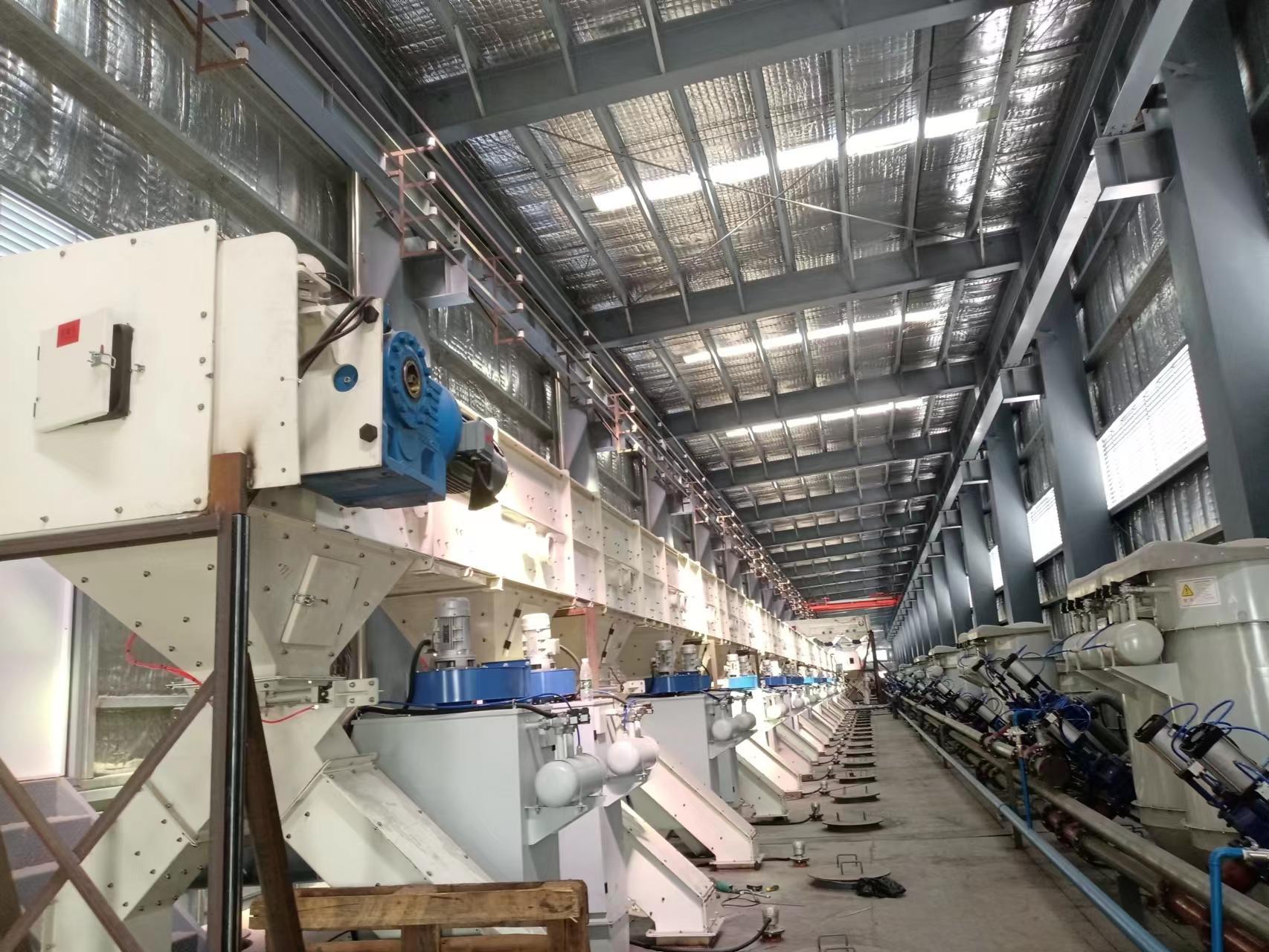
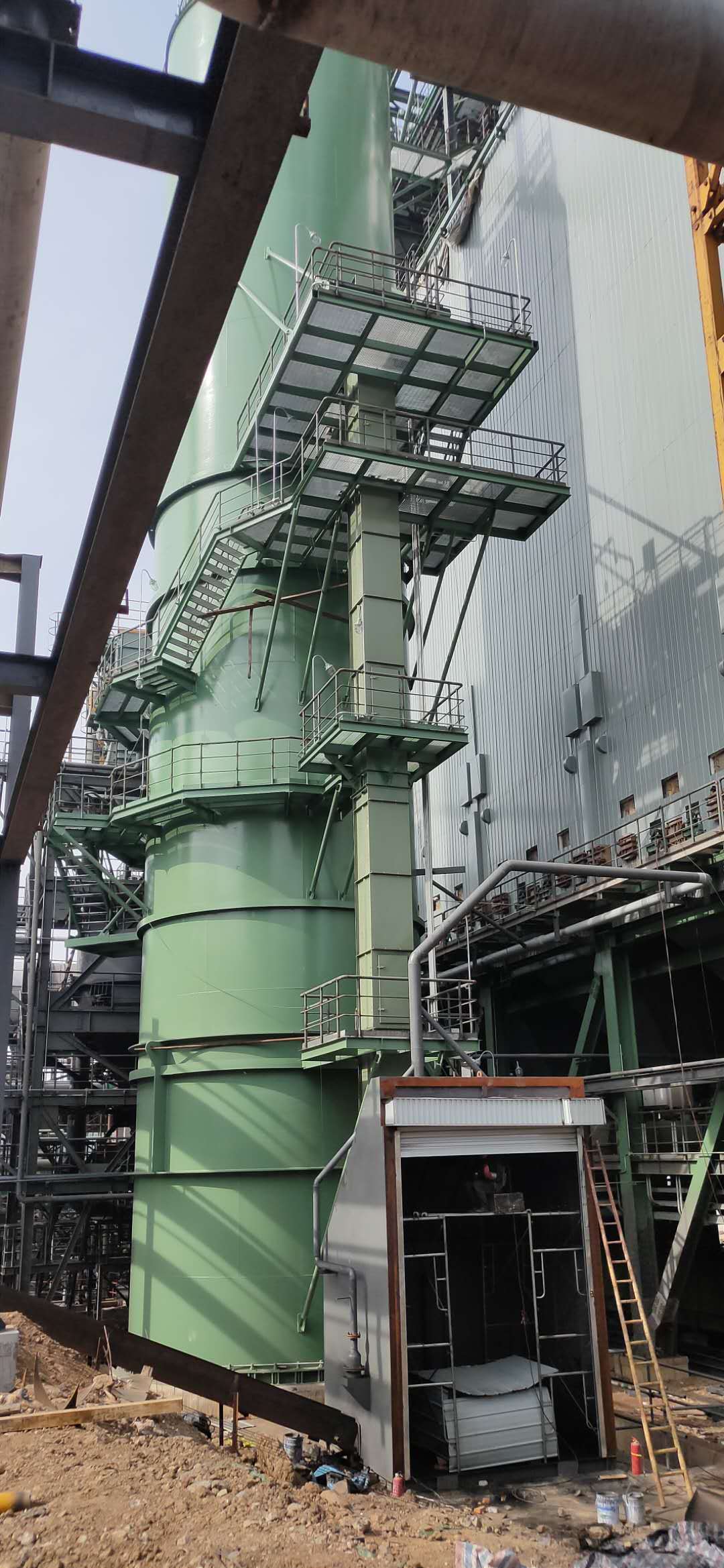
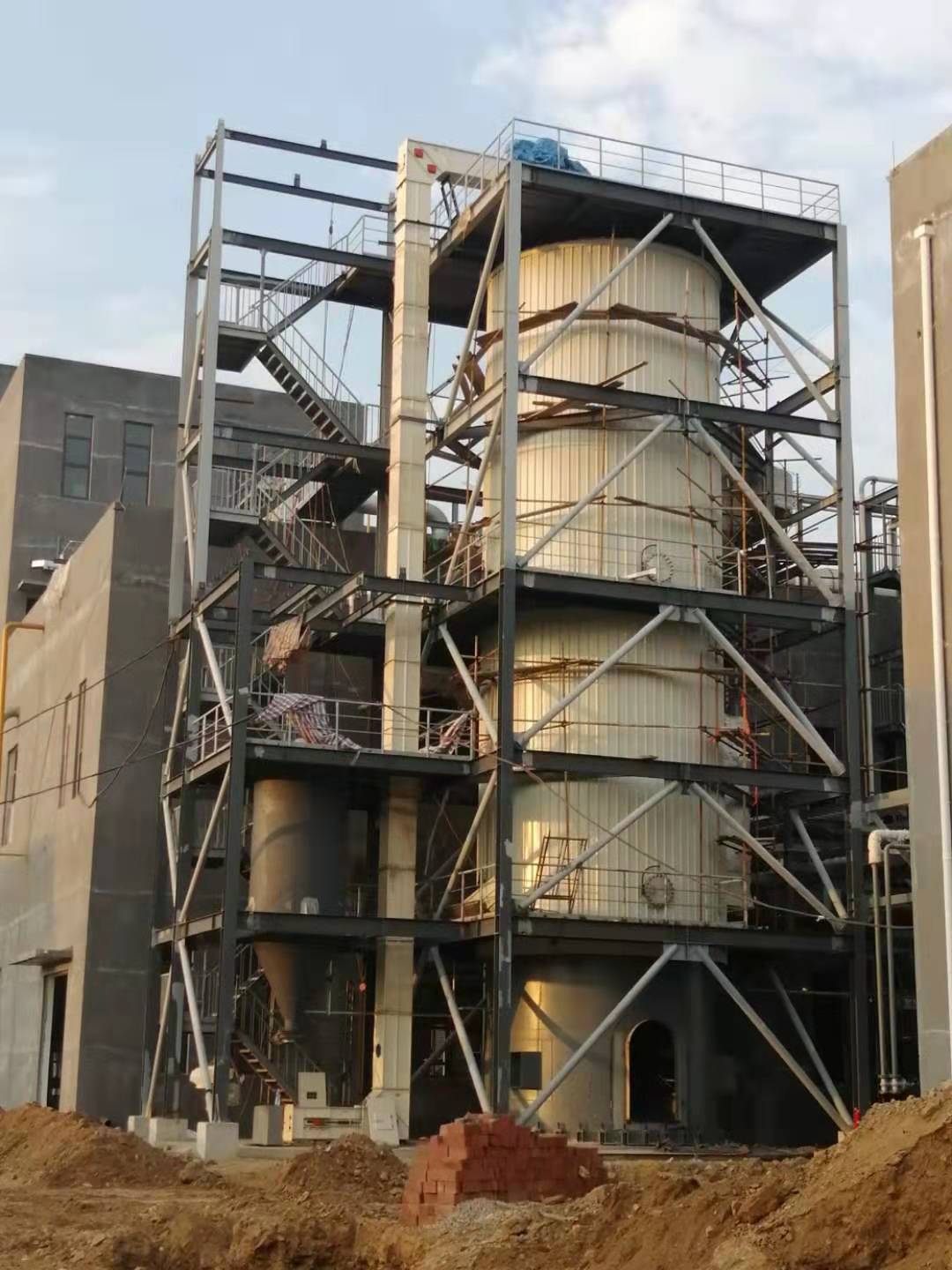
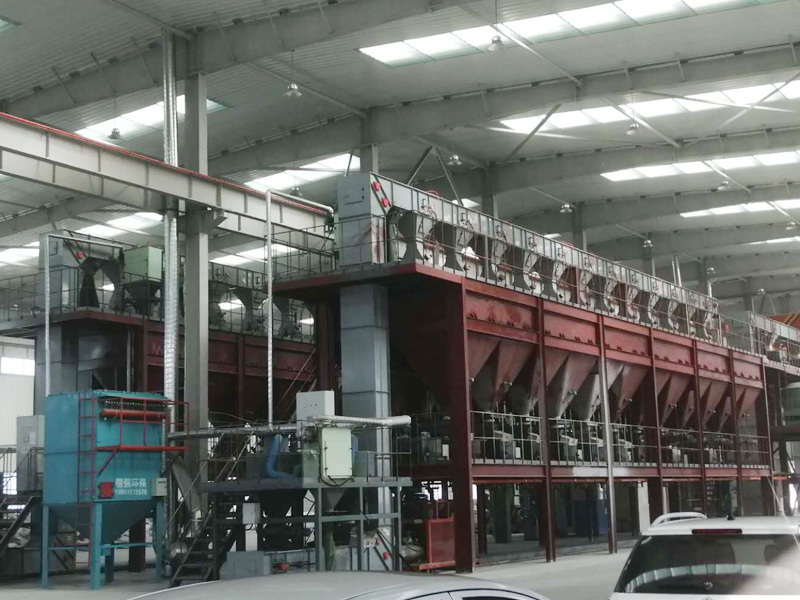
Relevant Cases

Maintenance Items for Bucket Elevators
How is the Z-type bucket elevator used in the food industry?
Z-type elevator? Let’s learn more!
Precautions for the Daily Maintenance and Servicing of Bucket Elevators
Specializing in the manufacture of elevators for over 20 years.
Hengshui Changhong Mining Machinery Co., Ltd. has been specializing in the manufacture of hoists for over 20 years, integrating technological development, production and operation, and technical services into one. Drafting author of Changhong Z-type (vertical spiral bucket) elevator enterprise standards, patent-technologied manufacturer, reputable producer of mining machinery with superior quality and strength.
Contact Info
Contact: Manager Pang
Phone:8613932836877,8613315840327
Phone:0086-318-4869777
Fax:0086-318-4868277
Email:384023722@qq.com
Address: Mada Development Zone, Fucheng County, Hengshui City, Hebei Province