
Solution: Refractory material
Jan 30,2026


Application of Z-Type Elevators in the Refractory Materials Industry: Batching Lines and Multi-Point Discharge Solutions
In the production process of refractory materials, the batching stage is a critical operation in which raw materials of varying particle sizes and compositions—such as high-alumina sand, magnesia, corundum, silicon carbide, and binders—are conveyed to mixers or forming equipment according to specified formulation ratios. Traditional batching methods typically rely on manual weighing, cart-based material transfer, or single-point lifting followed by manual distribution, which suffer from low efficiency, significant dust generation, a high risk of material cross-contamination, and redundant equipment investments. The Z-type elevator, with its unique advantage of multi-point discharge, has become an ideal vertical conveying and distributing device for refractory-material batching lines.
I. The Core Role of the Z-Type Elevator in the Refractory Materials Batching Line
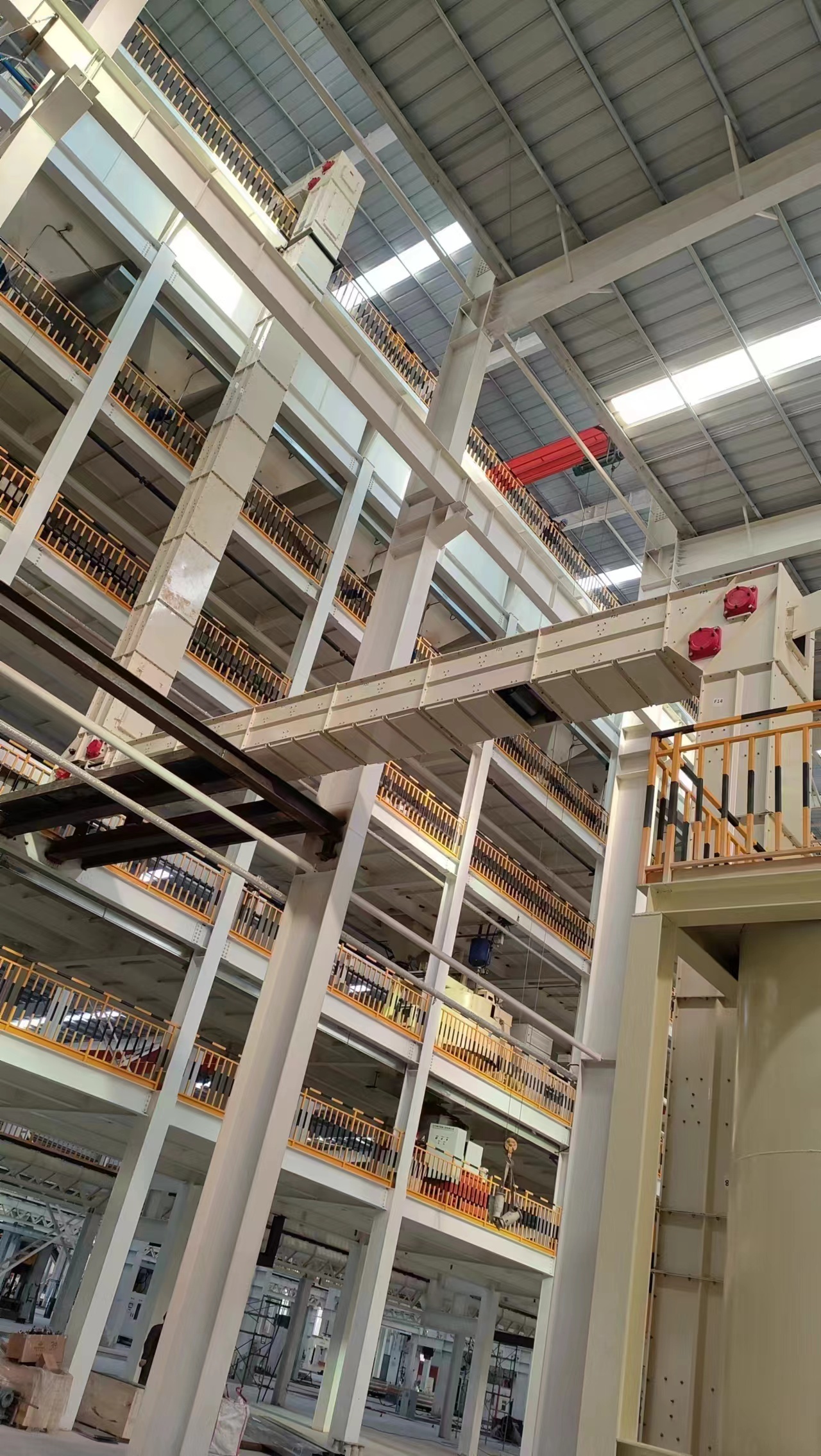
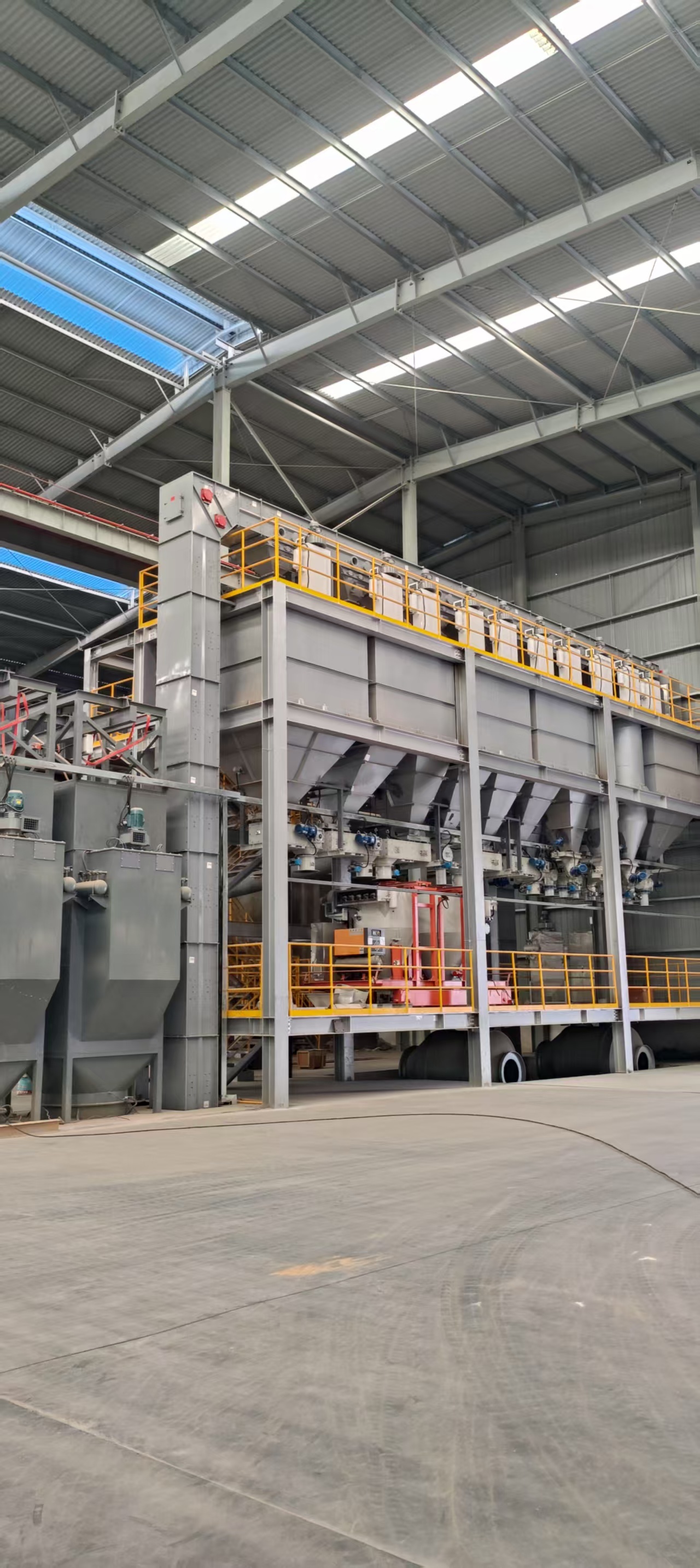
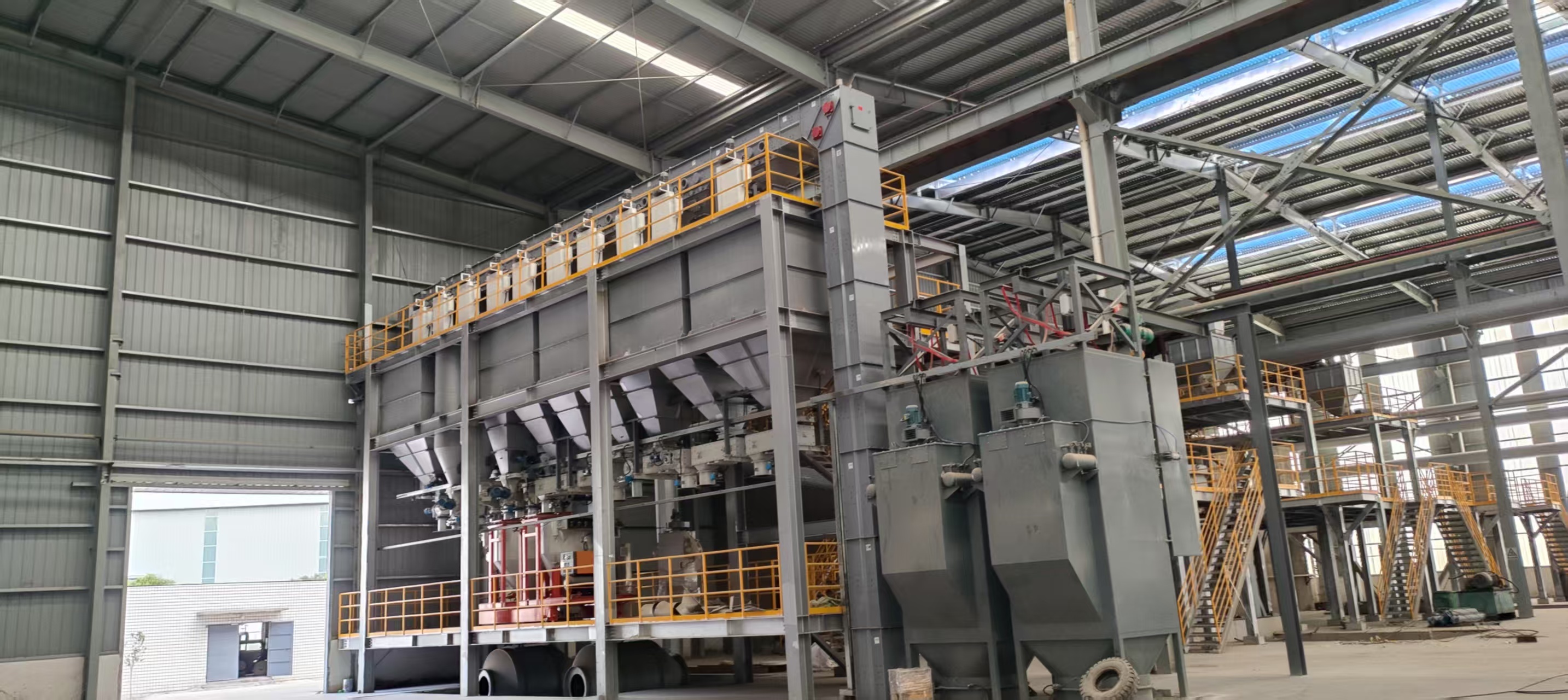
The Z-type elevator is a piece of equipment that uses chain-driven buckets to achieve combined horizontal–vertical–horizontal conveying within a closed casing. In refractory material batching lines, it primarily serves to feed raw materials from the storage silos to multiple batching bins, enabling an efficient layout characterized by “one elevator with multiple discharge points.”
II. Detailed Explanation of Multi-Point Discharge Technology
The Z-type elevator can be equipped with multiple discharge outlets along the horizontal discharge section, with each outlet serving a dedicated hopper. Pneumatic discharge devices are typically installed at the discharge outlets; when a bucket reaches the designated discharge position, the control system activates the discharge mechanism, causing the bucket to tip and empty its contents. After discharging, the bucket continues moving and automatically returns to its original position at the feed end, ready for the next cycle.
Main Technical Parameters
- Number of discharge points: can be configured as 2 to 50, depending on requirements.
- Discharge method: single-point selective discharge or cyclic sequential discharge
Actual application scenarios:
- Single-in, multiple-out: A single raw-material silo delivers materials via a Z-shaped elevator to multiple batching silos, supplying mixing lines with different formulations.
- Multi-inlet, multi-outlet: Materials from multiple raw-material silos are fed separately into the multiple inlet ports of a Z-type bucket elevator and then conveyed to different discharge points according to process requirements, enabling on-demand distribution of various materials.
III. Equipment Advantages of the Z-Type Elevator in the Refractory Material Batching Line
Advantages | Detailed Explanation |
Multi-point discharge, multi-function in one machine: A single Z-type elevator can replace multiple single-point elevators and complex horizontal distribution conveyors, significantly simplifying the batching line layout while reducing equipment investment and floor space requirements.
High ingredient accuracy to prevent blending errors. Each discharge outlet is independently controlled: during discharge, only the corresponding hopper tilts, while all other hoppers remain sealed, effectively eliminating cross-contamination between different formulations.
Fully enclosed conveying for dust suppression and environmental protection. The fully sealed housing ensures that refractory materials—such as refractory mud and fine powder binders—are conveyed without any dust leakage, thereby improving the working environment in the batching workshop and meeting stringent environmental standards.
Low breakage and stable aggregate gradation: The hopper maintains a stable attitude throughout the entire conveying process, with only a brief tilt during discharge, resulting in an extremely low breakage rate for brittle aggregates and ensuring consistent mix gradation.
Intelligent control with one-button batching: Utilizing PLC and touch-screen control in conjunction with the batching and weighing system, the process achieves fully automated operation—“recipe input → automatic bin selection → lifting → multi-point quantitative discharge”—significantly reducing manual labor.
Flexible layout, ideal for confined spaces. The Z-shaped trajectory enables vertical lifting and horizontal distribution within limited height and floor space, making it particularly well-suited for retrofitting existing plants or constructing new compact batching buildings.
IV. Description of Typical Application Cases
Scenario: A magnesia-carbon brick production line with a batching area equipped with four weighing hoppers, each serving a different formulation mixer. The raw materials consist of magnesia granules and fine powder, which are required to be conveyed from two separate raw-material silos to the four weighing hoppers.
Traditional solution: Two bucket elevators (one per silo) are required for separate lifting, followed by material distribution via screw conveyors or belt conveyors to four weighing hoppers. This approach involves a large number of equipment units, significant dust generation, and substantial maintenance workload.
Z-Type Elevator Solution: This solution employs a single Z-type elevator, with two feed inlets on the horizontal feeding section (each connected to a separate raw-material bin) and four discharge outlets on the horizontal discharge section (each corresponding to a separate weighing hopper). Under PLC control, the system retrieves materials from the designated bins in sequence according to the recipe instructions, lifts them upward, and then conveys them to the designated discharge outlets for unloading. Throughout the entire process, materials are conveyed within a sealed enclosure, eliminating dust leakage and the risk of material mixing, while increasing batching efficiency by more than 30%.
The Z-type elevator, with its advantages of multi-point discharge, fully enclosed conveying, minimal product breakage, and high wear resistance, perfectly meets the requirements of refractory material batching lines for “multiple formulations, multiple stations, high precision, and environmental friendliness.” It is not merely an elevating device; it is a multifunctional batching and conveying system that integrates vertical lifting with horizontal distribution. By choosing the Z-type elevator, refractory manufacturers can achieve automation, cleanliness, and resource efficiency in the batching process, thereby significantly enhancing production efficiency and product consistency.
Relevant Cases
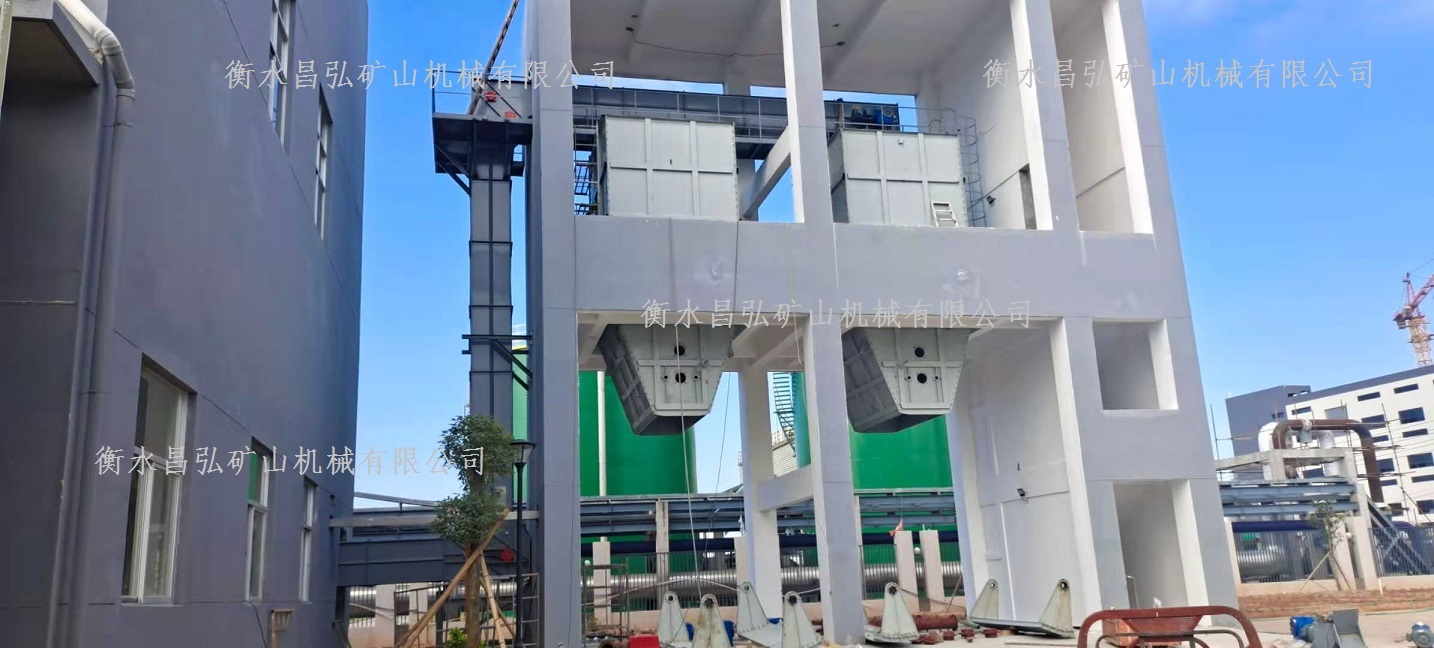
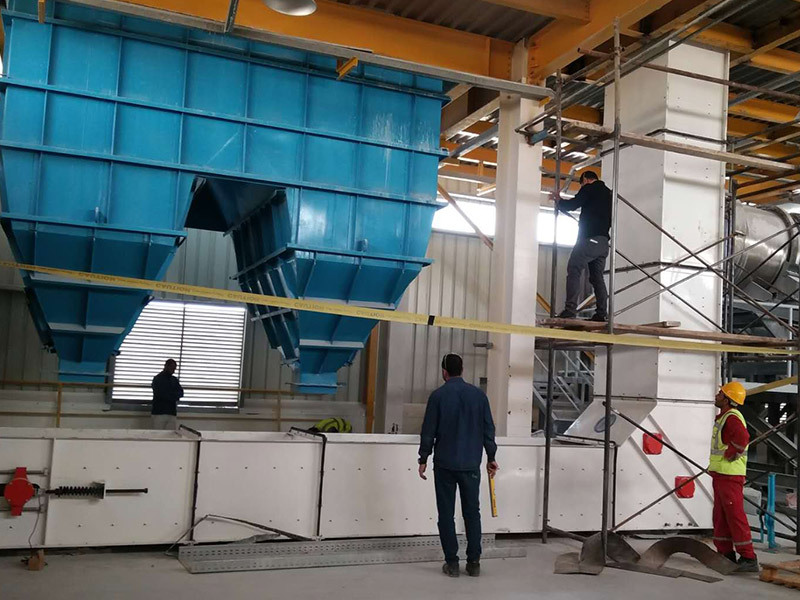
Egypt Ships 11 Containers for the Second Time
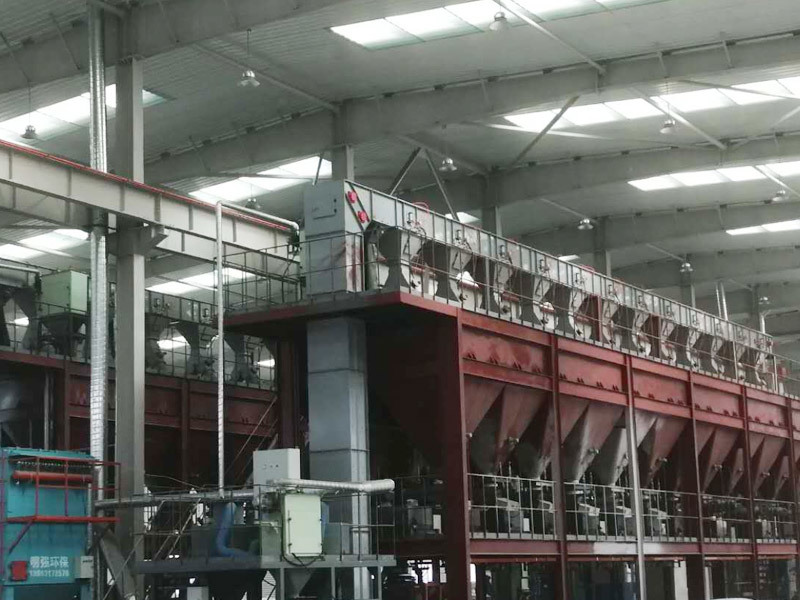
Complete Completion of Z-Type Elevators for Refractory Materials in Tangshan
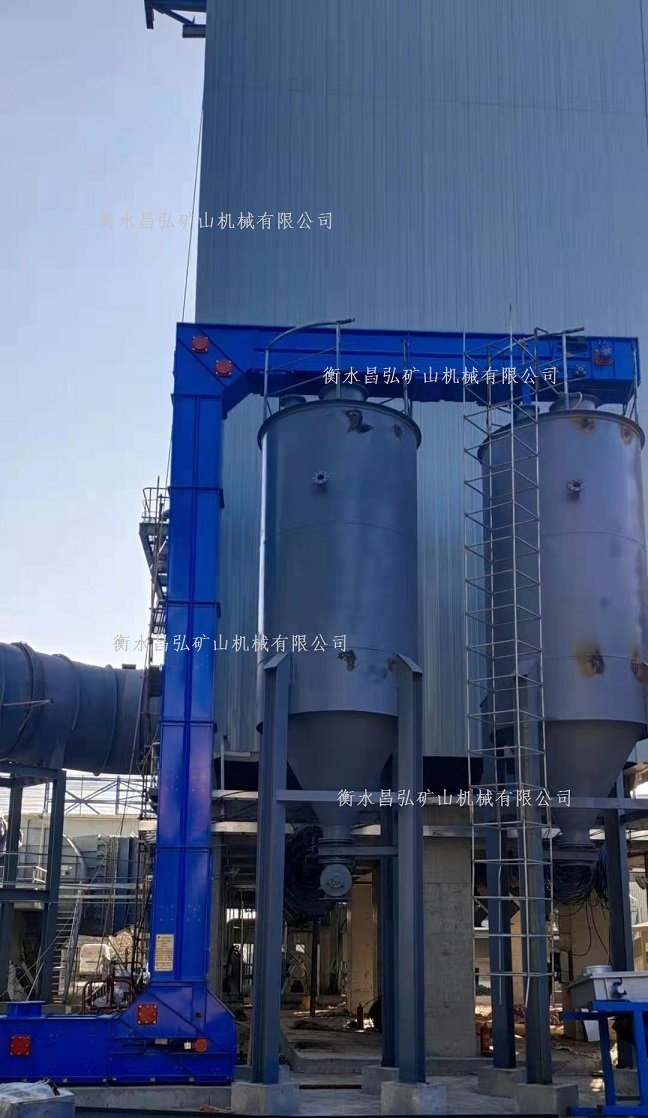
More than 10 Z-type elevators have been completed for a customer in Changji, Xinjiang.
Specializing in the manufacture of elevators for over 20 years.
Hengshui Changhong Mining Machinery Co., Ltd. has been specializing in the manufacture of hoists for over 20 years, integrating technological development, production and operation, and technical services into one. Drafting author of Changhong Z-type (vertical spiral bucket) elevator enterprise standards, patent-technologied manufacturer, reputable producer of mining machinery with superior quality and strength.
Contact Info
Contact: Manager Pang
Phone:8613932836877,8613315840327
Phone:0086-318-4869777
Fax:0086-318-4868277
Email:384023722@qq.com
Address: Mada Development Zone, Fucheng County, Hengshui City, Hebei Province