
Solution: Industrial silicon
Jan 30,2026


Application of Z-Type Elevators in the Industrial Silicon Industry: A Solution for Enclosed Conveying and Multi-Point Discharging
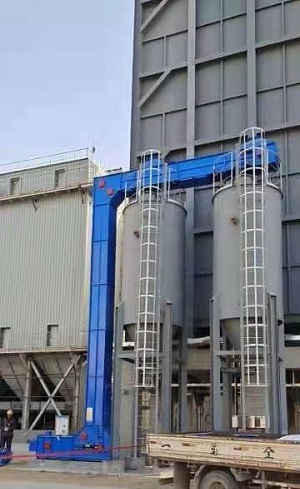
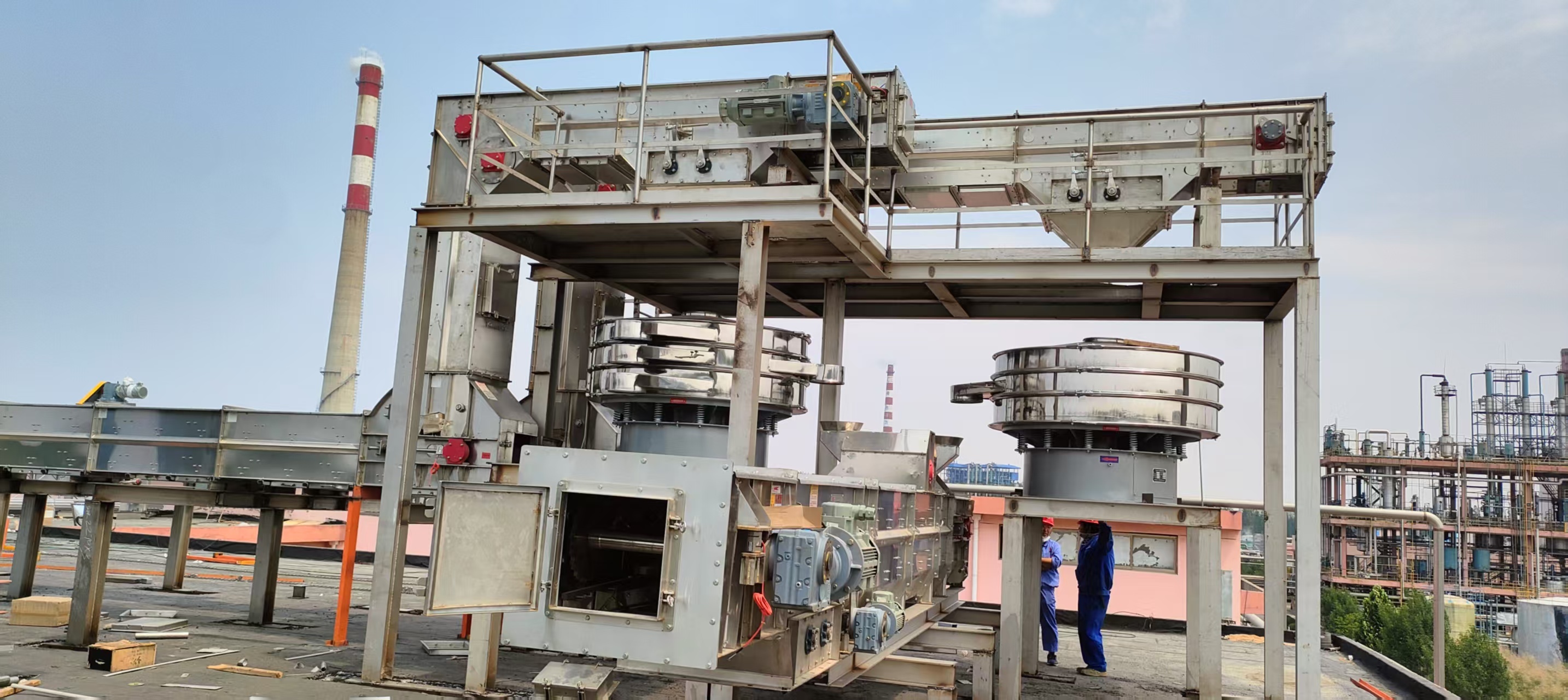
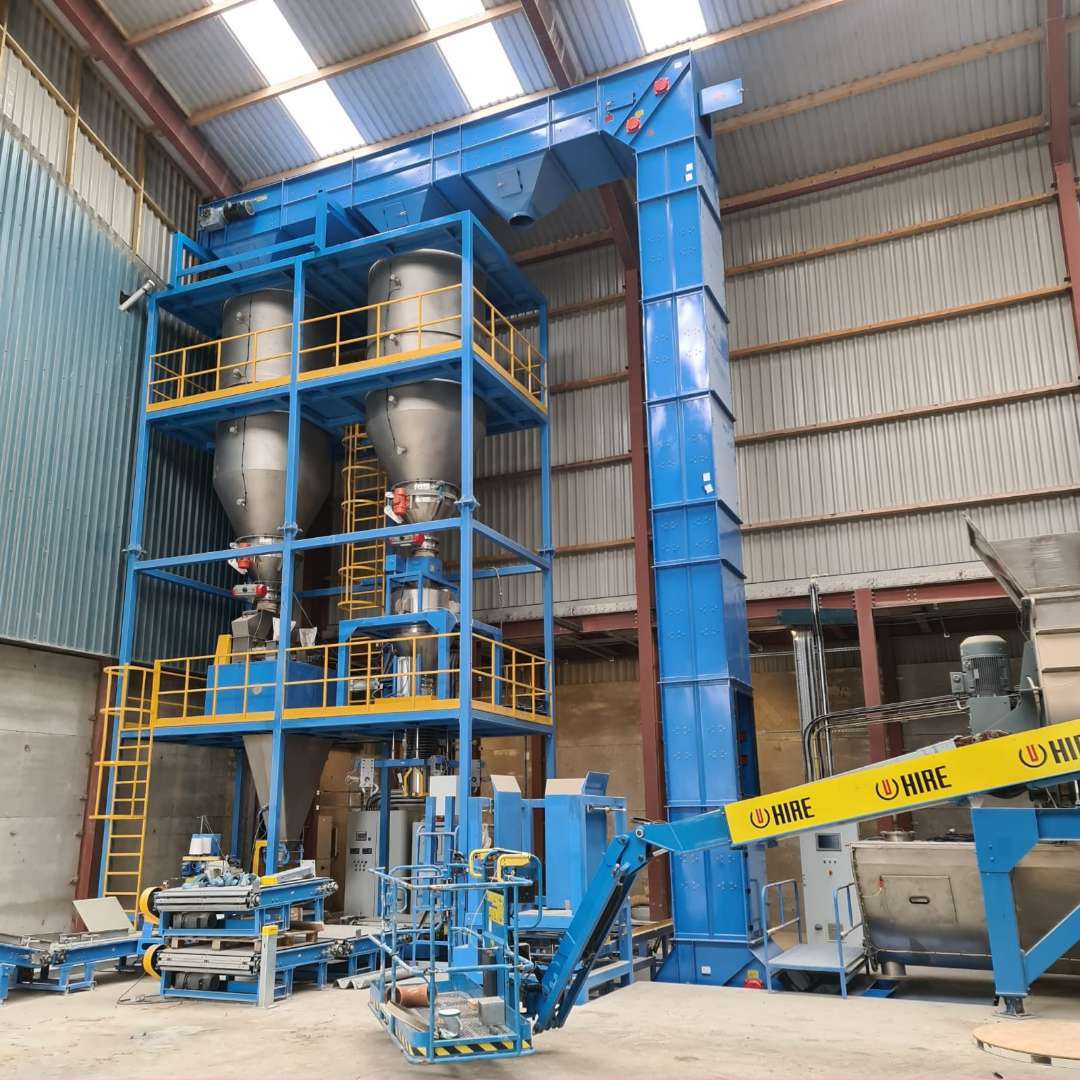
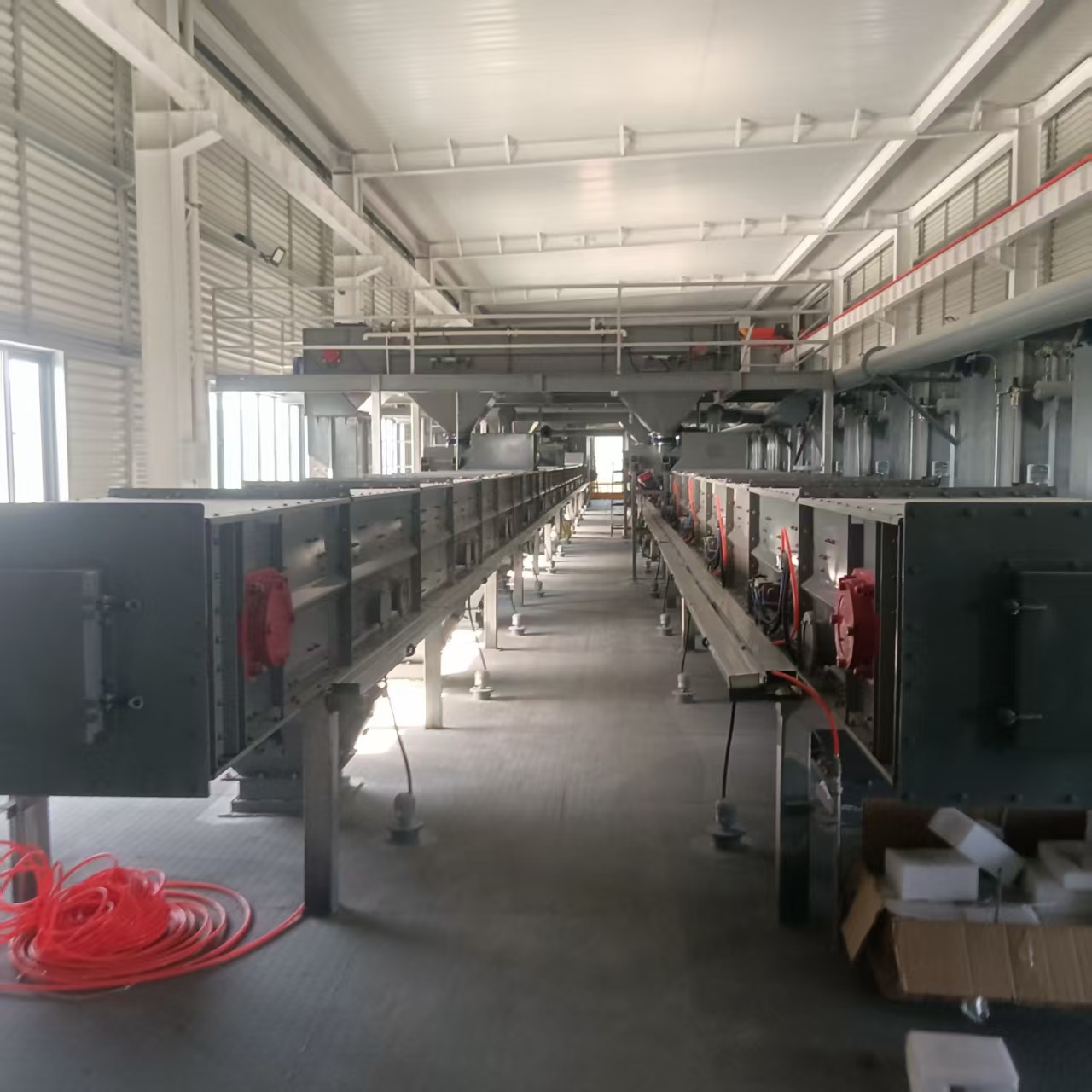
The production of industrial silicon (metallic silicon) involves multiple processes, including crushing, screening, grinding, and packaging. Industrial silicon materials are characterized by high hardness, irregular particle morphology, and a tendency to generate dust, which places stringent demands on the sealing performance, wear resistance, and discharge flexibility of conveying equipment. The Z-type bucket elevator, with its fully enclosed design and the capability for multi-point discharge configuration, offers an efficient, environmentally friendly, and safe conveying solution tailored to the industrial silicon industry.
I. Enclosed Conveying: Dust Suppression and Environmental Protection, Ensuring Safety
Industrial silicon is highly prone to generating silicaceous dust during transportation. This dust not only leads to material loss but also contaminates the workshop environment and, with prolonged inhalation, poses serious health risks to operators. More importantly, at certain concentrations, silicaceous dust presents a significant dust-explosion hazard. The Z-type elevator features a fully enclosed casing design, ensuring complete isolation of the conveyed material from the external environment throughout the entire conveying process. Its specific advantages are as follows:
No dust leakage: The casing joints are sealed, and the feed and discharge ports can be equipped with flexible connectors or dust-collection interfaces, ensuring no visible dust escapes during conveyance and significantly reducing dust concentrations in the workshop.
Reduced material loss: The sealed design prevents silicon powder from becoming airborne, thereby minimizing material losses—particularly for high-value fine or ultrafine industrial silicon powders.
Explosion-proof Safety: In view of the flammable and explosive nature of industrial silicon dust, the Z-type bucket elevator can be equipped with an explosion-proof motor, an antistatic chain, and grounding devices throughout the entire unit. Meanwhile, the sealed housing itself effectively suppresses dust dispersion, thereby reducing the risk of explosion.
- Prevention of external contamination: Closed-loop conveying isolates the workshop from moisture, oil contaminants, and other impurities, ensuring that the purity of the industrial silicon product remains unaffected.
II. Multi-Point Discharging: One Machine, Multiple Uses—Simplifying the Batching Line
Industrial silicon production often requires distributing materials from the same batch to multiple storage silos or downstream reactors. Traditional methods rely on bucket elevators combined with horizontal belt conveyors or screw conveyors to achieve material distribution, which results in numerous pieces of equipment, a large footprint, and increased dust generation. A Z-type bucket elevator, however, can be equipped with multiple discharge outlets along its horizontal discharge section, enabling “one piece of equipment, multi-point precise discharge.”
Technical Implementation:
- The number of discharge outlets can be configured as needed, ranging from 2 to 50, with each outlet corresponding to a designated material bin or piece of equipment.
- Each discharge outlet is equipped with an independent pneumatic system, controlled by the PLC to determine when and which outlet to use for discharging.
- When the hopper reaches the designated discharge outlet, the control system activates the discharge mechanism, causing the hopper to automatically tip and empty its contents. After discharging, the hopper returns to its original position and resumes operation toward the feed end.
Specific application scenarios in the industrial silicon industry:
III. Other Adaptation Features of Z-Type Elevators in the Industrial Silicon Industry
In addition to its airtight design and multi-point discharge capability, the Z-type bucket elevator also features the following characteristics that make it well-suited for handling industrial silicon materials:
High wear resistance: Industrial silicon has a high hardness (Mohs hardness of approximately 6.5), leading to severe wear on equipment. The buckets and casing of Z-type elevators can be lined with wear-resistant steel plates, wear-resistant ceramics, or high-polymer wear-resistant panels, significantly extending their service life.
Low-Damage Conveying: During conveyance, excessive impact on industrial silicon particles can generate fine powder, thereby affecting the product’s particle-size distribution. The Z-type bucket elevator operates at low speed with smooth, stable motion, ensuring that the hopper remains oriented with the inlet facing upward when not discharging, thus minimizing severe friction between material particles.
Description of Typical Application Cases
Scenario: An industrial silicon processing enterprise with an annual output of 50,000 tonnes of industrial silicon powder. The milling workshop produces 200-mesh silicon powder, which needs to be conveyed to the hoppers of six packaging machines in the packaging workshop. The original solution employed a screw conveyor combined with a rotary diverting valve; however, this configuration suffered from poor sealing, severe silicon powder leakage, and frequent jamming of the diverting valve.
Z-type elevator solution:
- One Z-type elevator is employed, with a vertical lift height of 8 meters and a horizontal discharge section length of 12 meters.
- Six discharge ports are installed on the horizontal section of the discharge line, with each port corresponding to the hopper of a packaging machine.
- Fully enclosed housing, with the feed inlet connected to a dust collection system and the discharge outlet equipped with a pneumatic flip valve.
- Interlock between the control system and the packaging machine level sensors: When a low-material-level alarm is triggered in the hopper of a particular packaging machine, the elevator automatically starts and runs to the corresponding discharge outlet to unload material; once replenishment is complete, the cycle resumes or the machine shuts down.
V. Selection Recommendations
When selecting a Z-type bucket elevator for the industrial silicon industry, the following configurations are recommended for close attention:
| Configuration Item | Recommended Solution |
| Sealing Performance | Fully enclosed welded housing; dust-collection interfaces are provided at the loading and unloading ports; sealing strips are made of oil- and high-temperature-resistant rubber.
| Multi-point Discharge | Discharge ports are determined based on the number of workstations; pneumatic flap valves with independent PLC control |
| Explosion-proof requirements | Explosion-proof motors, anti-static chains, equipment grounding, optional pressure-relief vents |
| Control System | Integrates with level gauges and silo weighing systems, supports remote monitoring |
In the industrial silicon industry, Z-type elevators effectively address dust-related environmental and safety concerns through fully enclosed, sealed conveying, while their multi-point discharge capability enables versatile operation and simplifies production-line layout. Moreover, their wear resistance, low breakage rate, and high-temperature tolerance make them ideally suited to the physical properties of industrial silicon materials. Whether handling silicon ingots, granules, or powders, Z-type elevators deliver efficient, clean, and intelligent conveying solutions, helping industrial silicon companies achieve green production and improve cost efficiency.
Relevant Cases

What is a non-crushing elevator?

Selection and Introduction of Z-Type Elevators

How to select the model of a Z-type bucket elevator?
Specializing in the manufacture of elevators for over 20 years.
Hengshui Changhong Mining Machinery Co., Ltd. has been specializing in the manufacture of hoists for over 20 years, integrating technological development, production and operation, and technical services into one. Drafting author of Changhong Z-type (vertical spiral bucket) elevator enterprise standards, patent-technologied manufacturer, reputable producer of mining machinery with superior quality and strength.
Contact Info
Contact: Manager Pang
Phone:8613932836877,8613315840327
Phone:0086-318-4869777
Fax:0086-318-4868277
Email:384023722@qq.com
Address: Mada Development Zone, Fucheng County, Hengshui City, Hebei Province