
Solution: Cocoa beans
Jan 30,2026


In the cocoa bean processing industry, enhancing the efficiency of conveyors is directly linked to both production efficiency and product quality. In response to potential issues currently encountered by conveyors during the transportation of cocoa beans, we propose a series of optimization solutions aimed at improving overall performance.
I. Current Situation Analysis
In the current production process, cocoa beans are transported from storage locations to processing equipment via elevators. However, due to issues such as unstable throughput, conveyor belt wear, and poor material flowability, transportation efficiency is often low, sometimes even affecting product quality.
II. Key Issues and Solutions
1. Issue of unstable throughput
Due to the instability of material flow, the conveyor belt may experience uneven loading, which in turn affects conveying efficiency. The solution is to adopt an intelligent control system that uses sensors to monitor material flow in real time and automatically adjusts the conveyor speed, ensuring stable and uniform material transport.
2. Conveyor belt wear issues
Conveyor belts that operate for extended periods will wear out due to friction and impacts from materials. To address this issue, it is recommended to use high-strength, wear-resistant materials for the conveyor belt and to install an additional lubrication system to reduce friction.
3. Material flowability issues
As a granular material, the flowability of cocoa beans is crucial to conveying efficiency. The flowability of the material can be improved by optimizing the design of the conveyor belt—for example, by adding lateral grooves or adopting special coating technologies.
III. Additional Improvement Measures
1. Automation upgrade
Introduce an automated control system to enable remote monitoring and operation, thereby enhancing the intelligence level of the production line.
2. Maintenance and Service Plan
Develop a detailed maintenance and upkeep plan, and conduct regular inspections, cleaning, and repairs on the conveyor to ensure the long-term stable operation of the equipment.
3. Safety Protection Measures
Strengthen the safety protection design of conveyors to avoid potential safety hazards during operation.
IV. Summary
By implementing the optimization measures outlined above, we can effectively enhance the performance of conveyors in the cocoa bean transportation process, boost production efficiency, reduce operational costs, and create greater value for cocoa bean processing enterprises. We believe that, as technology continues to advance and the industry undergoes upgrading, conveyors will play an even more significant role in the cocoa bean industry in the future.
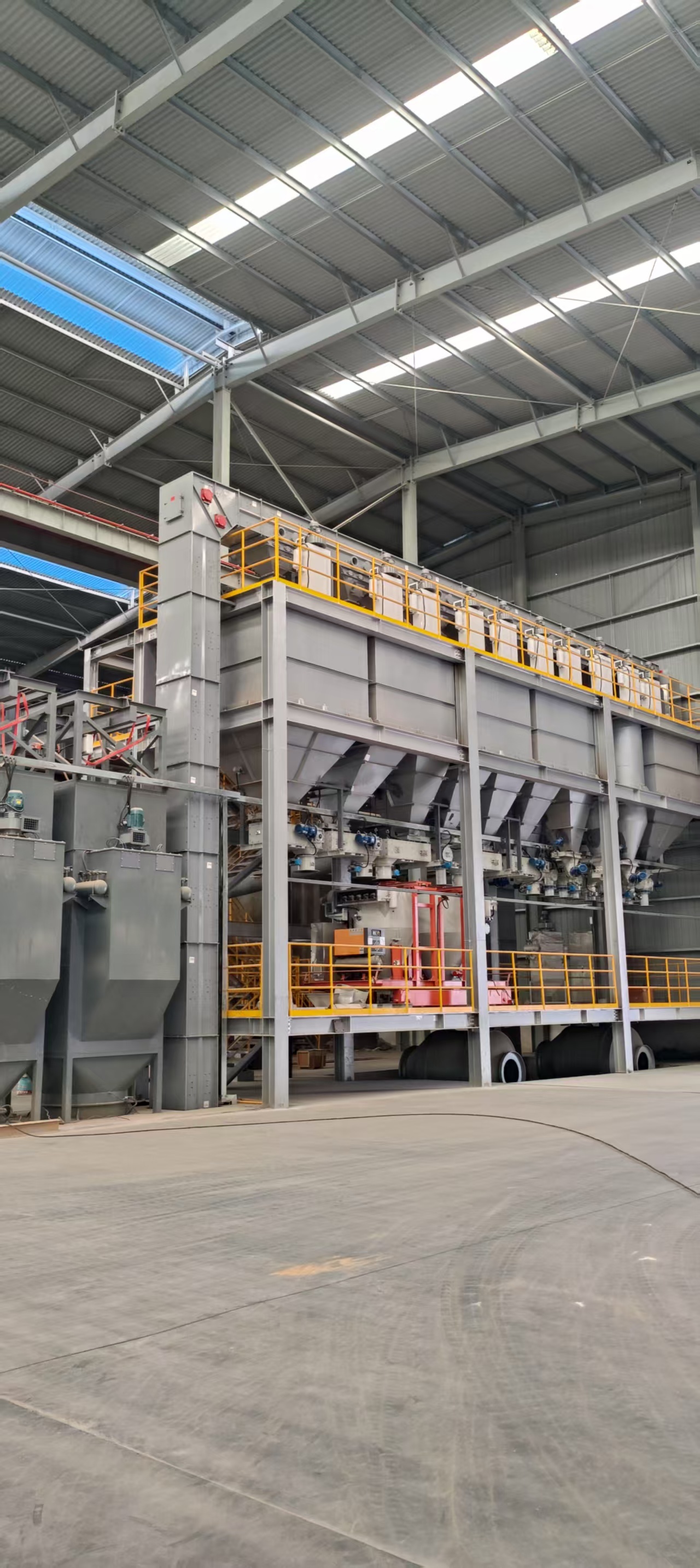
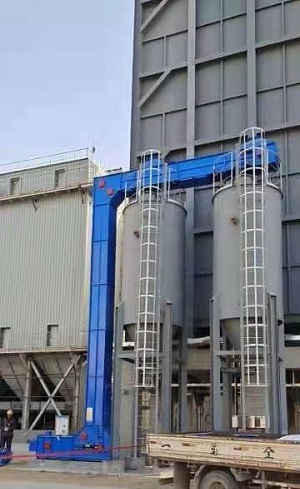
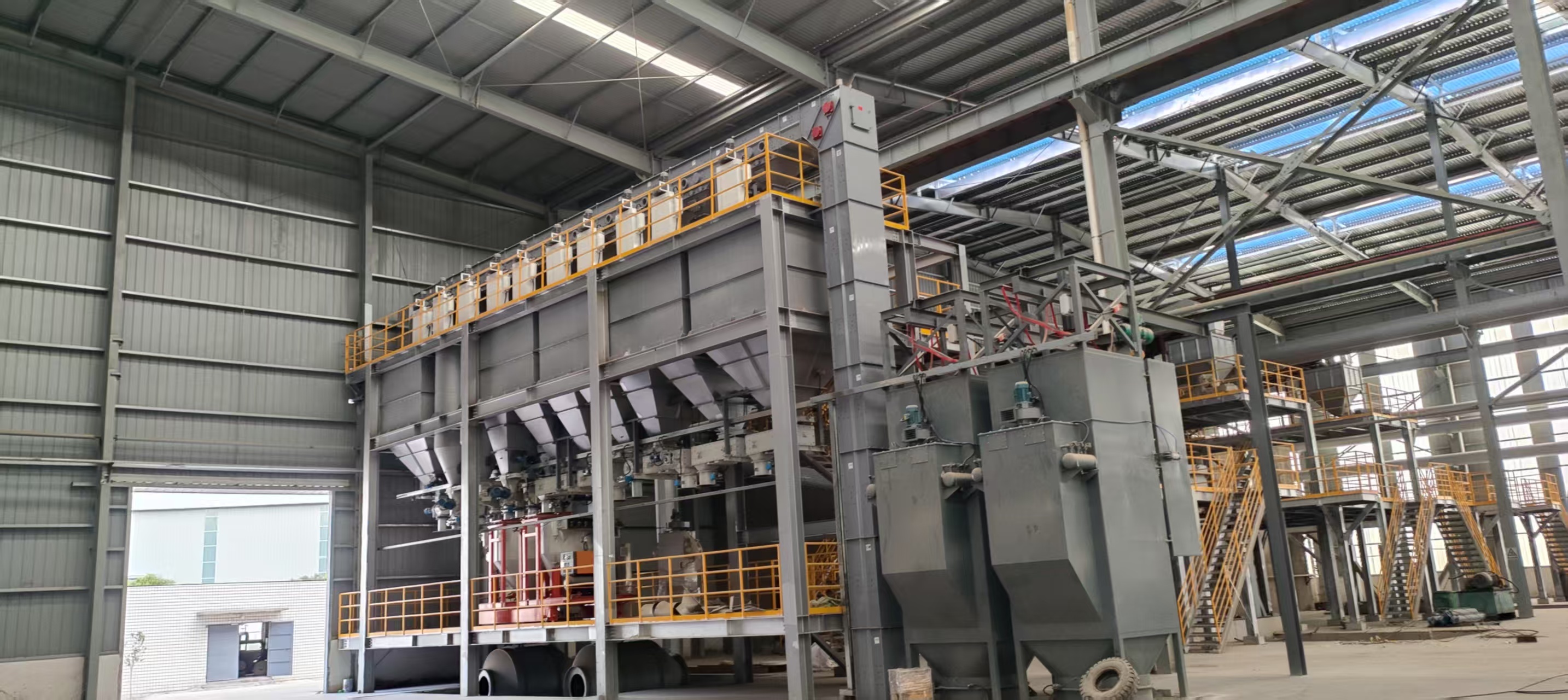
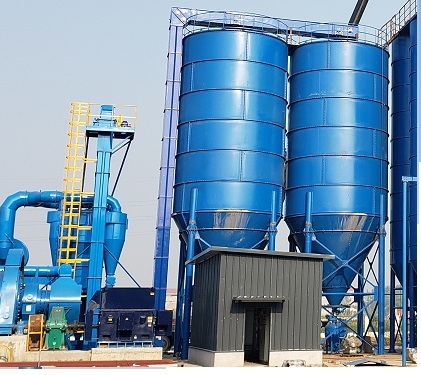
Relevant Cases

Function of the bucket elevator
Installation Precautions for Bucket Elevators
Are you familiar with Z-type bucket elevators?
Handover and Usage Regulations for C-Type Elevators
Specializing in the manufacture of elevators for over 20 years.
Hengshui Changhong Mining Machinery Co., Ltd. has been specializing in the manufacture of hoists for over 20 years, integrating technological development, production and operation, and technical services into one. Drafting author of Changhong Z-type (vertical spiral bucket) elevator enterprise standards, patent-technologied manufacturer, reputable producer of mining machinery with superior quality and strength.
Contact Info
Contact: Manager Pang
Phone:8613932836877,8613315840327
Phone:0086-318-4869777
Fax:0086-318-4868277
Email:384023722@qq.com
Address: Mada Development Zone, Fucheng County, Hengshui City, Hebei Province