
Solution: Bulk materials
Jan 30,2026


In logistics and industrial production, the transportation of bulk materials is a critical task. As an essential material-handling device, belt conveyors require a specialized solution tailored to the characteristics of bulk materials in order to enhance their conveying efficiency and performance.
I. Problem Overview
Bulk materials are characterized by large volume, heavy weight, and poor flowability. As a result, conventional conveyors often encounter issues such as jamming and blockages during transportation, severely impacting production efficiency. Therefore, in light of the unique characteristics of bulk materials, we need to improve and enhance the design of conveyors.
II. Solution
1. Select high-strength materials: The structural materials used for conveyors should be chosen from high-strength, wear-resistant, and corrosion-resistant materials to withstand the high impact and abrasion caused by bulk materials.
2. Optimize conveyor belt design: Tailor the structure and material of the conveyor belt to the characteristics of bulk materials, thereby enhancing its load-bearing capacity and wear resistance.
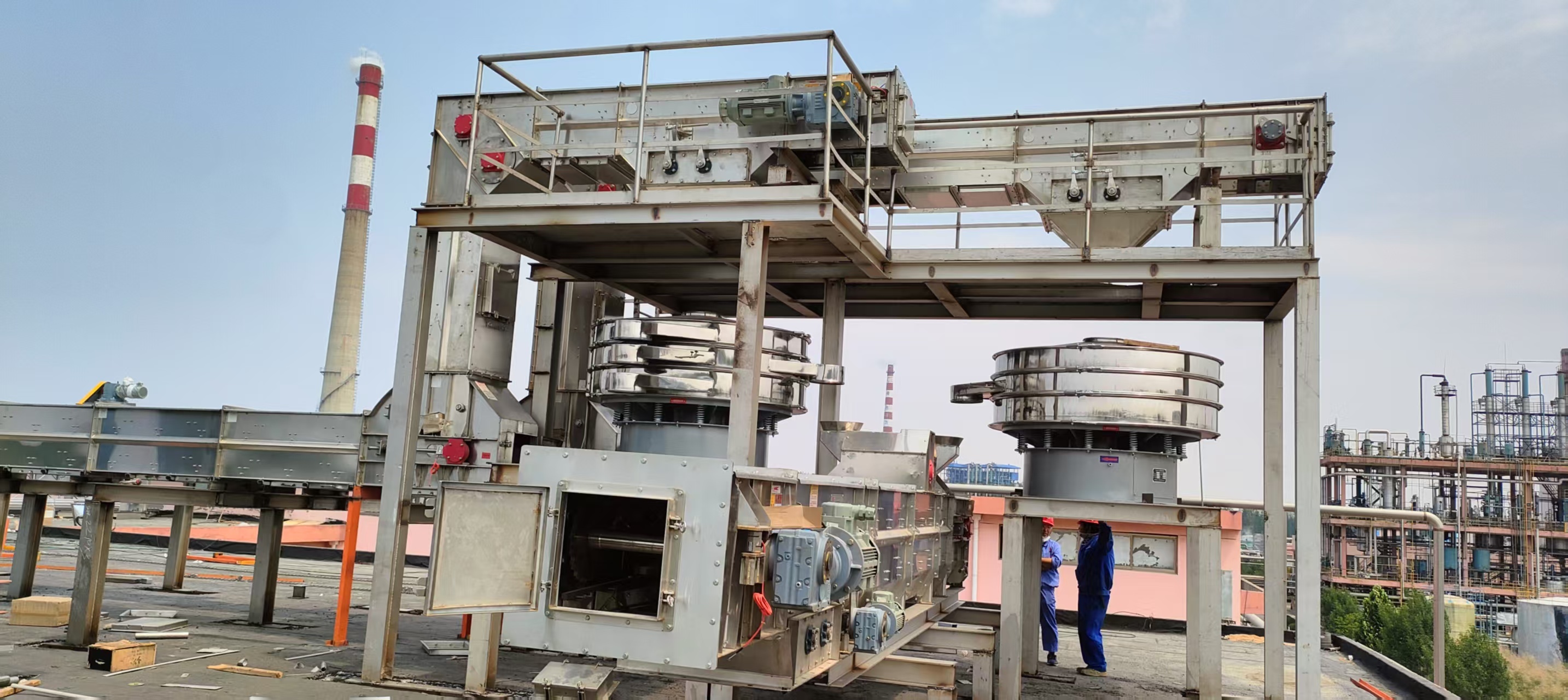
3. Add a pre-compression device: Install a pre-compression device at the feed inlet of the conveyor. The pre-compression action helps better fill the conveyor belt with lump materials, reducing the occurrence of blockages.
4. Improve the drive system: Adopt a high-efficiency drive system that delivers powerful动力, ensuring the stability and continuity of bulk materials during transportation.
5. Add monitoring devices: Install monitoring devices on the conveyor to continuously monitor for abnormalities during the conveying process, promptly issue alarms and take corrective actions to ensure production safety.
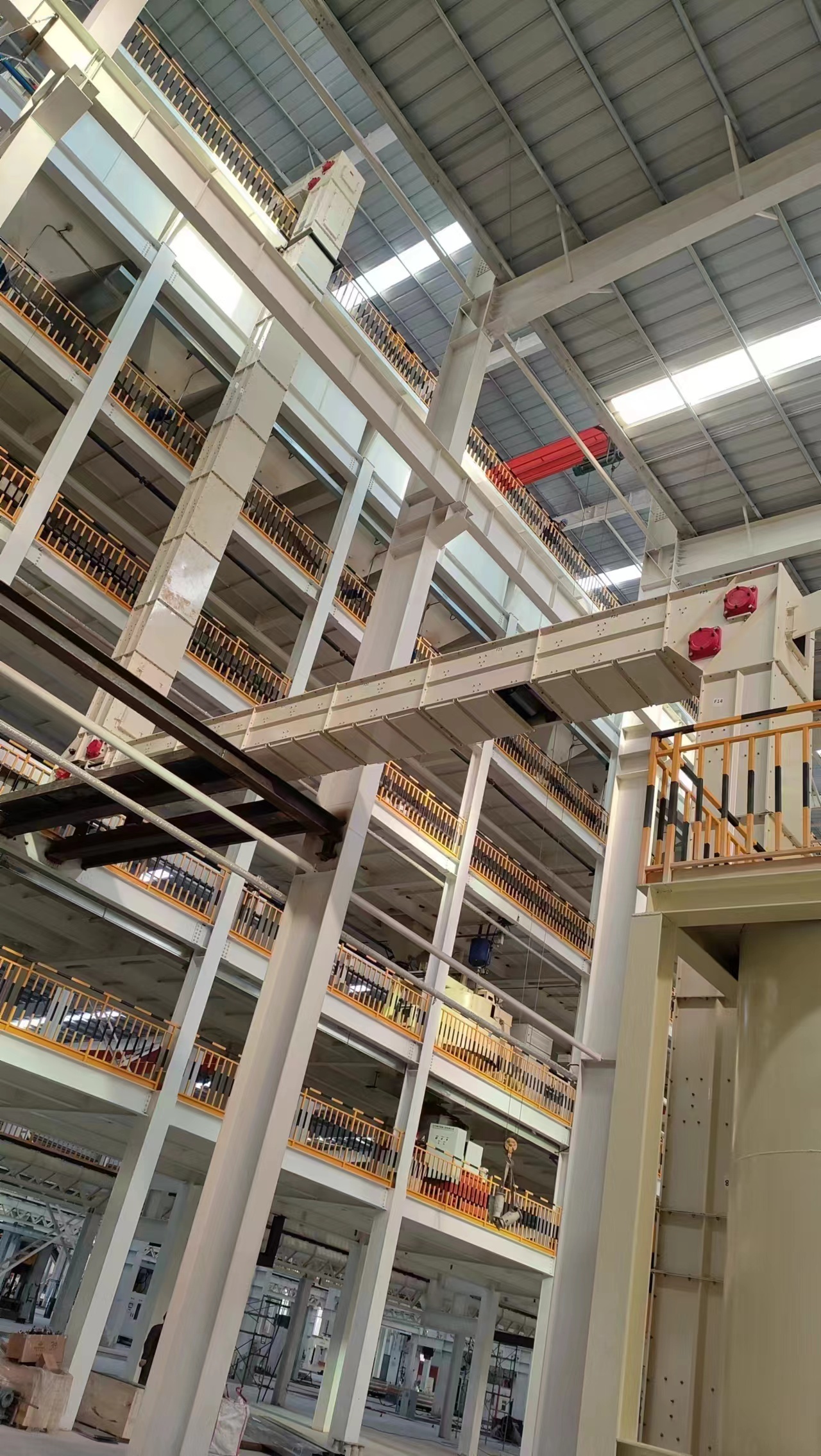
6. Human-centered design: To ensure the safety of operators and facilitate maintenance, the conveyor design should fully take into account human factors, such as installing safety guardrails and inspection platforms.
III. Implementation Results
By implementing the solutions outlined above, the performance of the conveyor in handling bulk materials can be significantly enhanced. The optimized conveyor will feature higher load-carrying capacity, greater conveying efficiency, lower failure rates, and a better operational experience. This will greatly improve production efficiency, reduce production costs, and provide strong support for the enterprise’s sustainable development.
In summary, based on the characteristics of bulk materials, we have optimized and improved the design of conveyors to develop a specialized solution. Implementing this solution will significantly enhance the efficiency and performance of bulk material handling, bringing substantial benefits to the enterprise’s production and development.
Relevant Cases

Solutions for Noise Generated by Z-Type Elevators
What adjustments are required during the maintenance and upkeep of a Z-type bucket elevator?
Maintenance Items for Bucket Elevators
What are the selection criteria for Z-type bucket elevators?
Specializing in the manufacture of elevators for over 20 years.
Hengshui Changhong Mining Machinery Co., Ltd. has been specializing in the manufacture of hoists for over 20 years, integrating technological development, production and operation, and technical services into one. Drafting author of Changhong Z-type (vertical spiral bucket) elevator enterprise standards, patent-technologied manufacturer, reputable producer of mining machinery with superior quality and strength.
Contact Info
Contact: Manager Pang
Phone:8613932836877,8613315840327
Phone:0086-318-4869777
Fax:0086-318-4868277
Email:384023722@qq.com
Address: Mada Development Zone, Fucheng County, Hengshui City, Hebei Province