
30
2020/09
What are the precautions for commissioning a Z-type elevator?
The Z-type elevator is an integrated conveying and lifting device featuring a modular, sectional design that allows for flexible layout. Its ability to both lift and convey materials helps manufacturers requiring upward material transport to save floor space. The equipment employs chain-driven conveying, ensuring smooth operation; it prevents material spillage from the buckets, maintains stable performance during operation, generates low noise, and is easy to disassemble and maintain, making it an ideal conveying solution. It is currently widely used across various industries.
Z-shaped elevator This equipment integrates conveying and lifting functions in one unit. Its modular, sectioned design allows for flexible layout. By combining lifting and conveying capabilities, it helps manufacturers that need to elevate materials to higher levels save valuable floor space. The system employs chain-driven conveyance, ensuring smooth operation that prevents material spillage from the hopper. Additionally, the equipment operates with high stability, low noise, and ease of disassembly and maintenance, making it an ideal conveying solution. It is now widely used across various industries and sectors.
Z-shaped elevator After purchasing and completing installation, do not start using the equipment right away—first conduct a trial run. Today, we’ll walk you through the key points to keep in mind during the trial run.
1. Verify proper installation. First, confirm that all equipment has been fully installed and inspect the top of the enclosure for any missing screws; ensure that every screw is securely tightened. If any screws are found to be missing, replace them promptly to prevent loosening, which could lead to malfunctions and, more importantly, potential injuries. Next, check that the hopper and feed rails are installed correctly; improper installation can result in operational issues. Installation and inspection must be carried out strictly in accordance with the specified requirements, and all relevant precautions must be observed—carelessness is unacceptable.
2. Machine Securing: First, ensure that all bolts are properly installed to secure the machine firmly in place. Typically, the lower horizontal section should be bolted down; if it is relatively long, additional bolts may be used for extra stability. Some users install the lower horizontal section in a pit, in which case bolting it down provides even better fixation. The vertical section can also be secured using steel brackets in conjunction with on-site adjustments to position it appropriately, ensuring the machine remains stable and does not shake during operation. The upper horizontal section is usually secured with steel brackets, which effectively prevent any risk of shaking or instability during machine operation.
3. Run the machine at no load. Z-shaped elevator Upon startup, run the equipment at no load to check for any abnormal noises. If such noises are detected, immediately stop the machine and perform a thorough inspection; only resume operation after the equipment has been properly repaired, in order to prevent minor faults from developing. Once no abnormal noises are observed, proceed to verify that the bearing, motor, and reducer temperatures are within normal limits. Specifically, after two hours of continuous operation, the temperature rise should not exceed 60°C. Previously, some users neglected to add lubricant, resulting in excessively high reducer temperatures; in such cases, simply adding the appropriate amount of lubricant will resolve the issue. In addition, ensure that the lubrication seals are in good condition. The no-load running period must be maintained for at least two hours.
4. Trial Production: Following this, trial production may commence. During trial production, material feeding can begin; initially, only a small quantity of material should be fed, gradually increasing the amount over time. It is recommended to use a feeder, adjusting its feed rate from low to high, and then progressively ramping up production. Importantly, forceful or abrupt feeding must be avoided; uniform, steady feeding is essential.

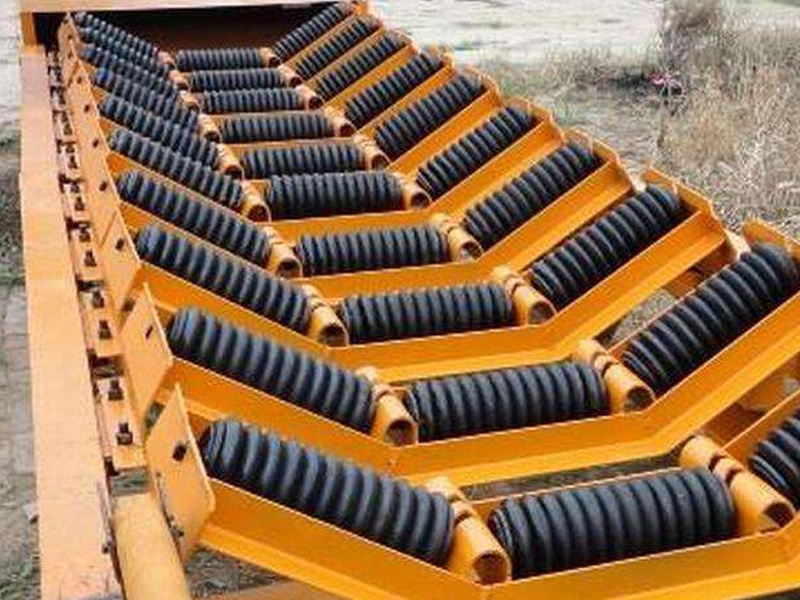
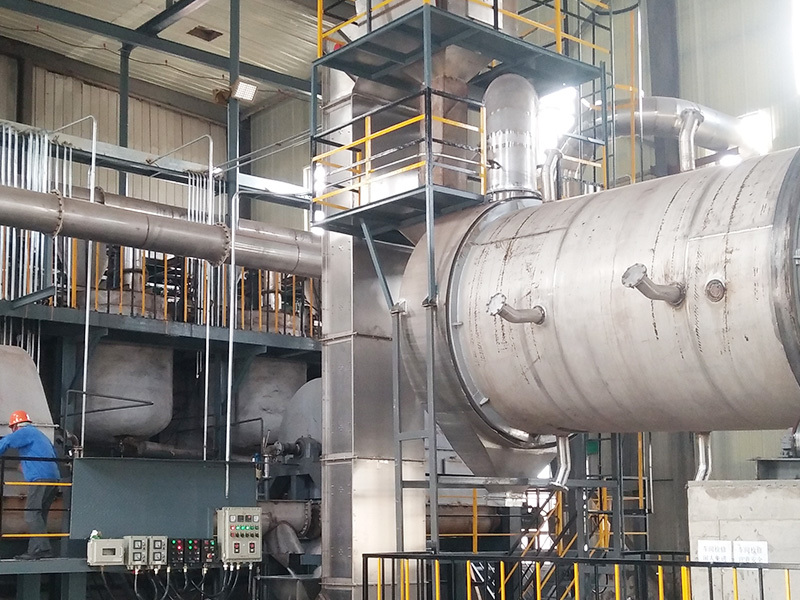
Specializing in the manufacture of elevators for over 20 years.
Hengshui Changhong Mining Machinery Co., Ltd. has been specializing in the manufacture of hoists for over 20 years, integrating technological development, production and operation, and technical services into one. Drafting author of Changhong Z-type (vertical spiral bucket) elevator enterprise standards, patent-technologied manufacturer, reputable producer of mining machinery with superior quality and strength.
Contact Info
Contact: Manager Pang
Phone:8613932836877,8613315840327
Phone:0086-318-4869777
Fax:0086-318-4868277
Email:384023722@qq.com
Address: Mada Development Zone, Fucheng County, Hengshui City, Hebei Province


