
08
2021/02
Operating Sequence for C-Type Elevator Equipment
Operating sequence for C-type elevator equipment: 1) Lifting: Confirm that the coke basket is properly positioned at the designated location beneath the lifting tower; activate the lifting mechanism and raise the lifting attachment at a low speed of 4 m/min. While raising the lifting attachment, close the hook and sequentially lift the coke basket and its lid off the ground in that order. Verify that the guide rollers are aligned and operating at the lower coke-basket rail interface, then increase the lifting speed to high (20 m/min). Next, check whether the guide rollers are approaching the upper coke-basket rail, and reduce the lifting speed to low (3 m/min). Finally, confirm that the upper stop position has been reached, then apply the brake to halt the lifting operation.
Type C Elevator Equipment operating sequence :
1) Lifting: Confirm that the coke drum is positioned at the designated location beneath the lifting tower, then activate the lifting mechanism and raise the lifting gear at a low speed of 4 m/min. While raising the lifting gear, close the hook and sequentially detach it from the coke drum and then the coke drum lid. Ground; verify that the guide roller is aligned and operating at the lower coke-canner rail interface, then increase the lifting speed to high speed ( (20 m/min); check whether the guide rollers are close to the upper coke oven guide rails, and reduce the lifting speed to a low setting of 3 m/min; confirm that the unit has reached the upper stop position, then apply the brake to halt the lifting operation.
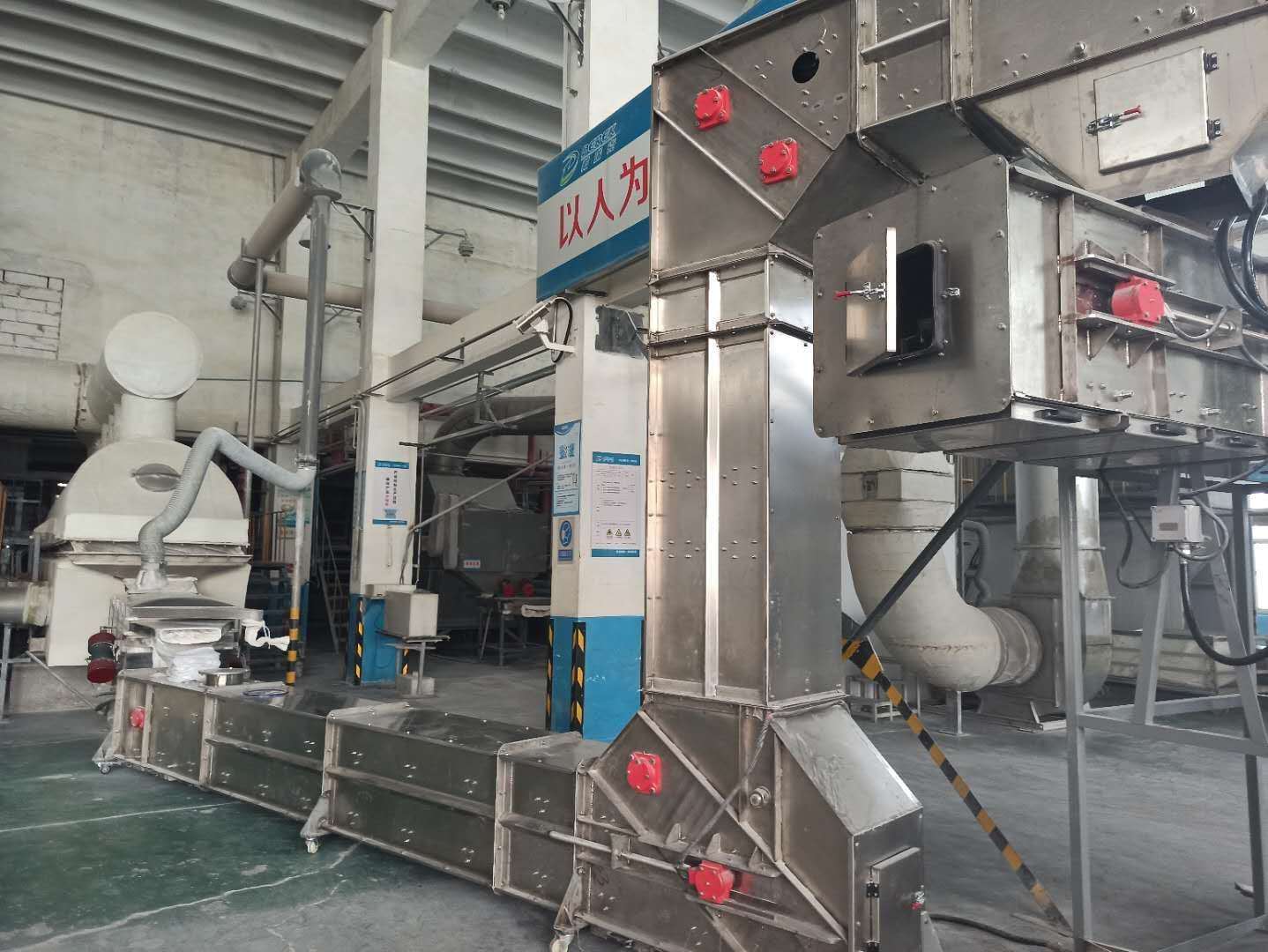
2) Operation: Verify that the coke drum has been raised to the operational position. Initiate operation by moving the trolley to the travel position and increasing the speed to high (40 m/min); confirm that the coke drum has reached the deceleration position on the charging-side and reduce the trolley speed to low (3 m/min); verify that the coke drum has arrived at the stop position of the charging device. Then apply the brakes to bring the operation to a halt.
3) Charging the coke: First verify that the charging device is in the designated position, then initiate lowering via the hoisting mechanism at a low speed of 3 m/min. Once the coke hopper has reached its target position, continue lowering the lifting attachment while opening the hopper door; confirm that the door is fully open, then apply the hoisting brake to halt further descent. According to the timer signal, maintain the hopper door in the open position for several seconds before discharging the coke. Subsequently, resume hoisting at a speed of 3 m/min; as the lifting attachment rises, close the hopper door completely and move the hopper away from the position. Finally, verify that the hopper has reached the stop position, engage the brake, and halt the hoisting operation.
4) Return: Verify that the coke pot has been raised to the travel-ready position; then, using the traveling mechanism, initiate the return movement and increase the travel speed to high (40 m/min). Next, confirm that the coke pot has reached the deceleration position on the side of the lifting tower, and reduce the travel speed to low (3 m/min). Finally, verify that the coke pot has arrived at the stop position on the side of the lifting tower, and then engage the brake to halt the traveling motion.
5) Descent: Confirm that the locomotive has stopped at the designated position beneath the lifting tower, then lower the load using the lifting mechanism; verify that the guide rollers are properly aligned with the upper coke-cage rail interface, and increase the descent speed to high mode at 20 m/min; confirm that the guide rollers are approaching the lower coke-cage rail, then reduce the descent speed to low mode (3 m/min); verify that the coke cage has reached the stop position for the coke-cage lid; once the coke-cage lid and the coke cage are in place, only the lifting attachment continues to descend; confirm that the lifting attachment is open, then operate the brake to halt operation.
The above outlines the operating sequence for the C-type elevator. We hope this information is helpful!
Previous:

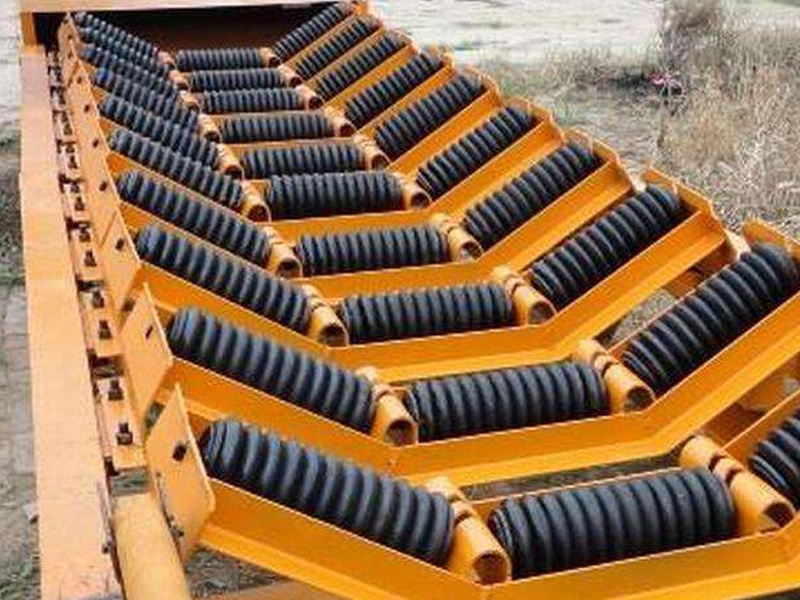
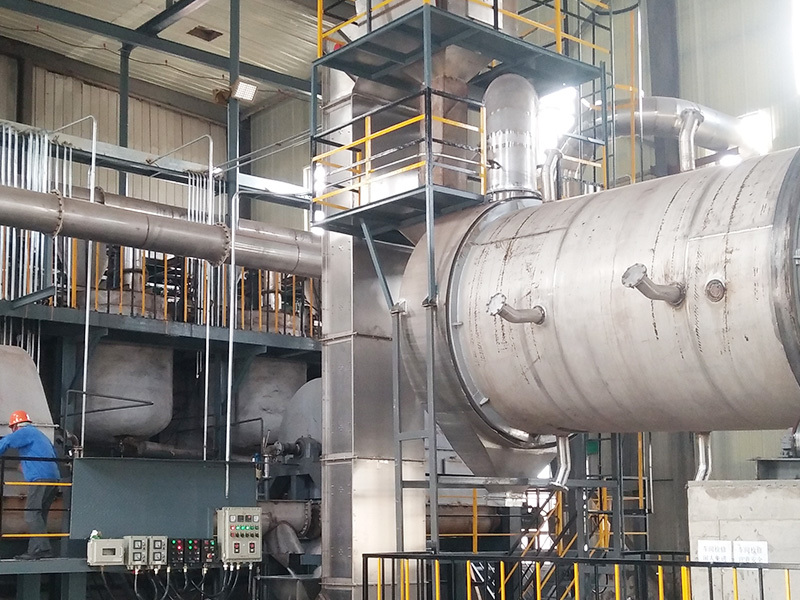
Specializing in the manufacture of elevators for over 20 years.
Hengshui Changhong Mining Machinery Co., Ltd. has been specializing in the manufacture of hoists for over 20 years, integrating technological development, production and operation, and technical services into one. Drafting author of Changhong Z-type (vertical spiral bucket) elevator enterprise standards, patent-technologied manufacturer, reputable producer of mining machinery with superior quality and strength.
Contact Info
Contact: Manager Pang
Phone:8613932836877,8613315840327
Phone:0086-318-4869777
Fax:0086-318-4868277
Email:384023722@qq.com
Address: Mada Development Zone, Fucheng County, Hengshui City, Hebei Province


