
27
2020/10
Z-type elevators have been widely adopted across various industries.
Currently, Z-type elevators have been adopted in increasingly automated manufacturing industries. Thanks to their gentle handling of materials, which minimizes damage and reduces the scrap rate, they help cut costs and boost efficiency, making them highly favored by users.
Currently Z-type elevator It has been adopted in more automated manufacturing industries. Thanks to its gentle handling of materials, the Z-type elevator minimizes product damage, reduces the scrap rate, lowers costs, and boosts efficiency, making it highly favored by users.
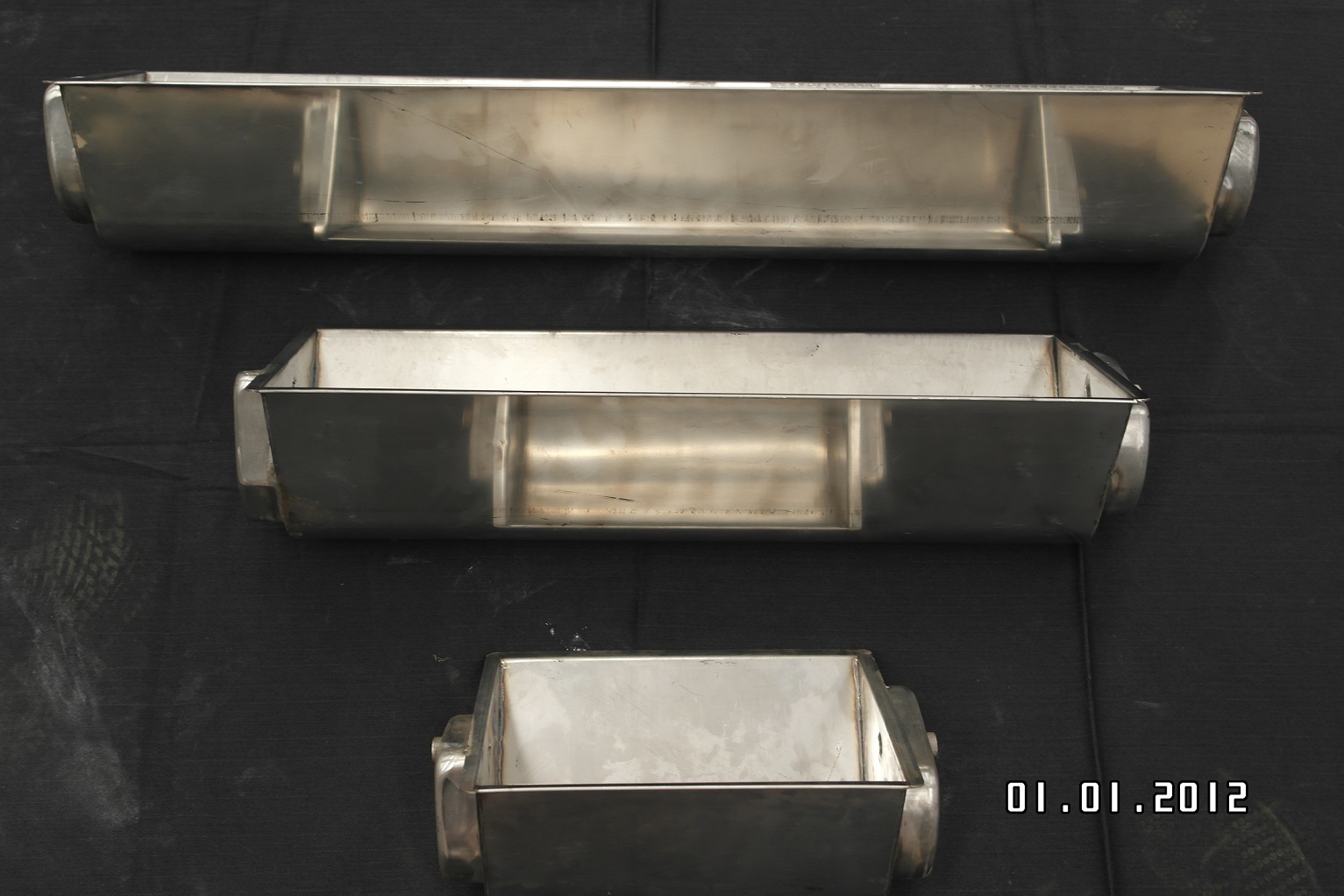
The Z-type bucket elevator is primarily used for feeding weigh-and-pack machines, color-sorting machines, and for three-dimensional cyclic loading and unloading in automated production lines. It is suitable for conveying powdery, granular, and small lump materials, such as activated carbon pellets, steel grit, refractory materials, metallurgical powders, ceramic proppants, solid-waste particles, chemical raw materials, plastic pellets, and feed pellets. The elevator’s base frame features a closed design, which effectively reduces dust pollution. Material is conveyed through a hopper to minimize damage and lower the defect rate. Equipped with a feeder that ensures uniform feeding, it helps prevent bucket overfilling. The elevator can discharge at multiple points to meet the requirements of continuous feeding into several bins, and the discharge outlets are freely configurable.
The Z-type rotary bucket elevator is housed within a closed casing and conveys materials using buckets suspended from a chain. It supports horizontal–vertical–horizontal combined conveying. Single- or multi-point feeding is possible, and single- or multi-point discharging can be accomplished via a discharge device. The system is fully enclosed, ensuring no leakage and no contamination. It is suitable for conveying various powdered and granular materials, with optimal performance for non-cohesive materials.
Z-type elevator Its advantages include a flexible structure, minimal damage to materials, and the ability to prevent the production of defective items. It is suitable for a wide range of applications that require gentle handling of materials. Bucket elevators are ideal for conveying both fragile and non-fragile materials, such as sunflower seeds, nuts, peanuts, and pistachios; grains like rice, corn, and legumes; potato chips, shrimp crackers, rice cakes; various hardware items, pharmaceuticals, ceramic materials, and more.

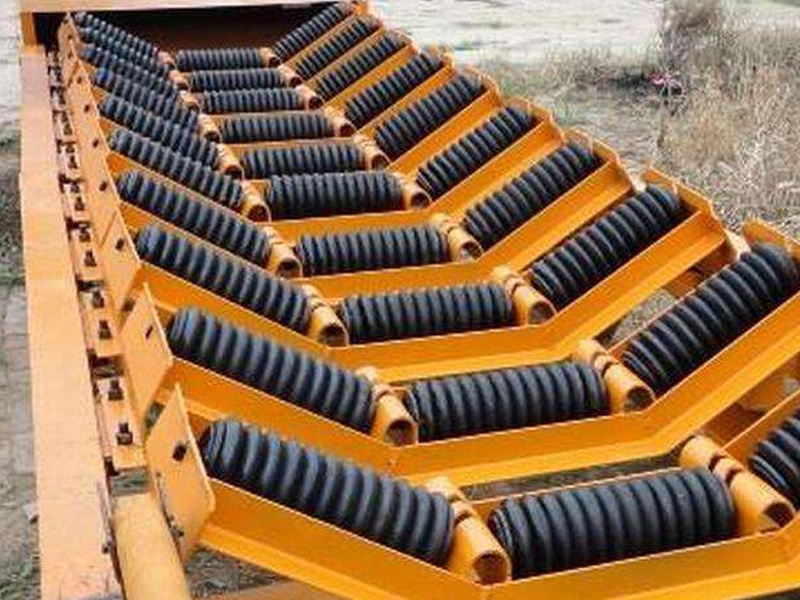
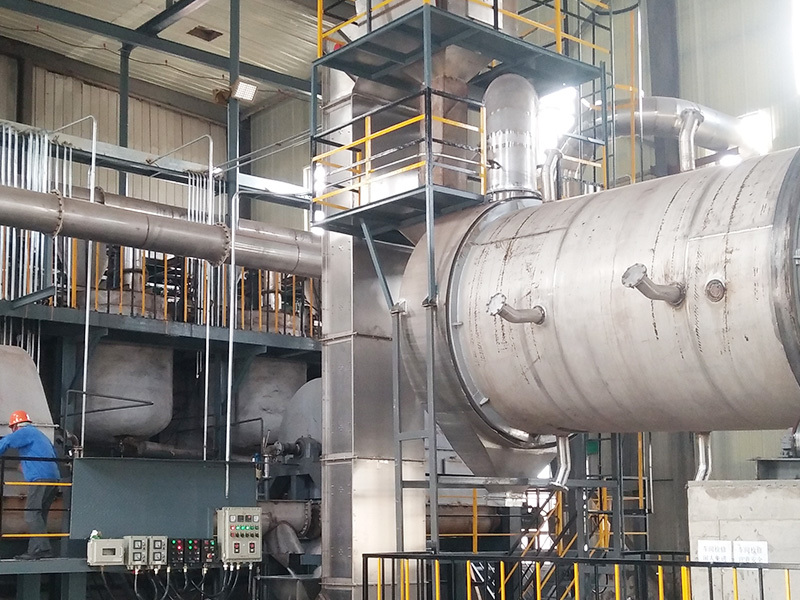
Specializing in the manufacture of elevators for over 20 years.
Hengshui Changhong Mining Machinery Co., Ltd. has been specializing in the manufacture of hoists for over 20 years, integrating technological development, production and operation, and technical services into one. Drafting author of Changhong Z-type (vertical spiral bucket) elevator enterprise standards, patent-technologied manufacturer, reputable producer of mining machinery with superior quality and strength.
Contact Info
Contact: Manager Pang
Phone:8613932836877,8613315840327
Phone:0086-318-4869777
Fax:0086-318-4868277
Email:384023722@qq.com
Address: Mada Development Zone, Fucheng County, Hengshui City, Hebei Province


